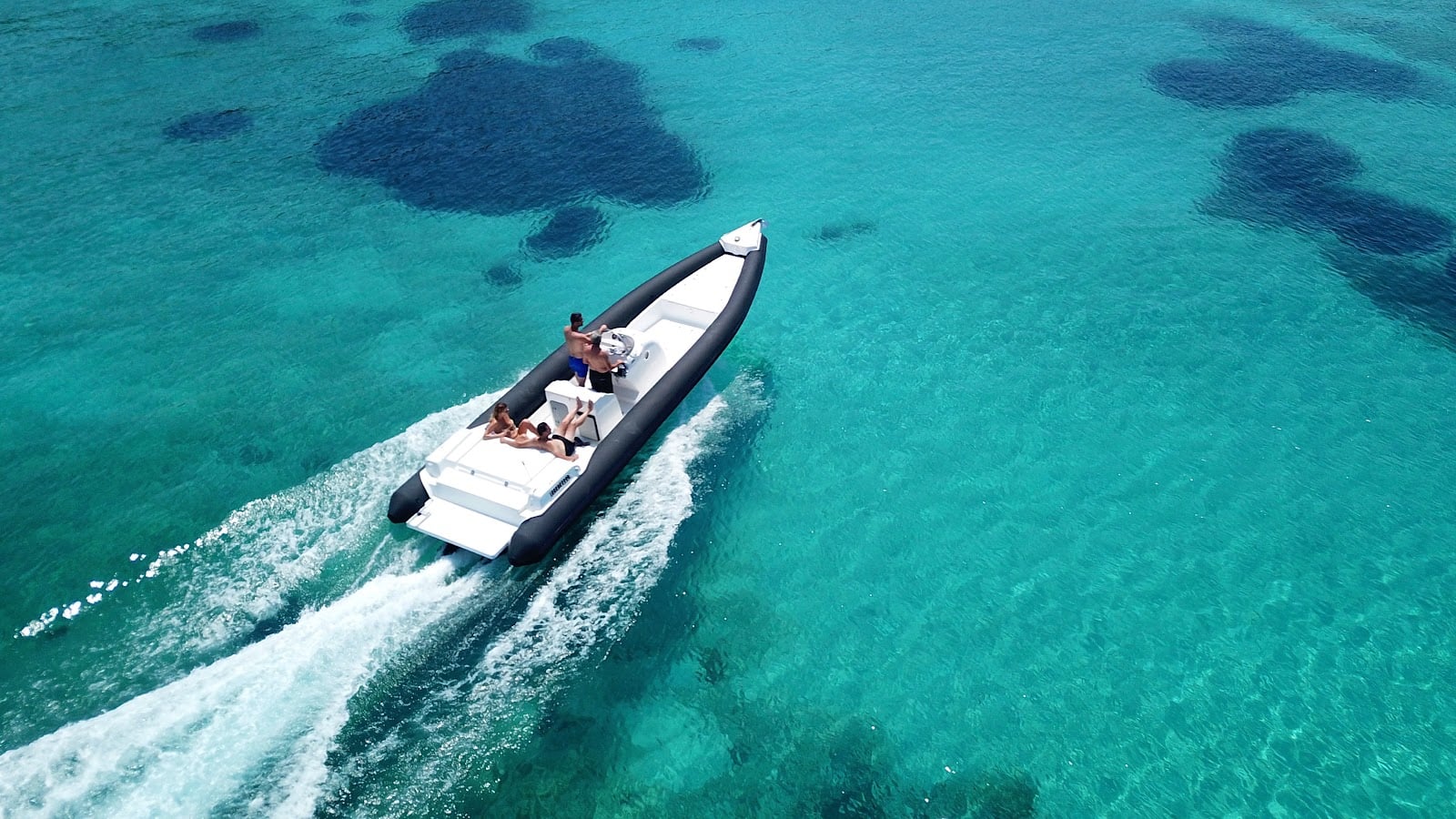
Journey along the coastal road from Lisbon to Cascais, where nineteenth-century summer residences, wild Atlantic headlands, and fresh maritime kitchens reveal Portugal at its most luminous.
The Light Along the Marginal Road
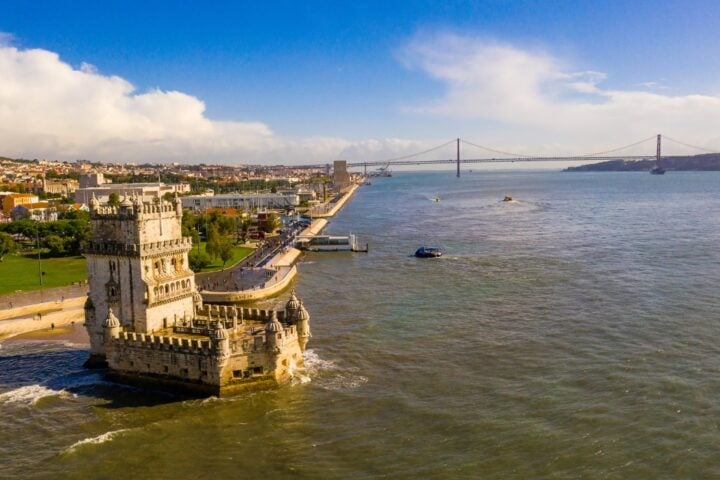
To understand Lisbon fully, you must follow the Tagus until the river gives way entirely to open ocean. The Portuguese call the coastal route from Lisbon to Cascais simply the Marginal, officially the Estrada Nacional 6. Leaving the central squares of the capital behind, the road traces the water past historic sea forts built to guard the harbour, low-slung stone sea walls, and the sandy crescents of Oeiras and Carcavelos. In morning light, the water glints like beaten pewter, gradually turning deep sapphire as the saltwater broadens.
This western ribbon of coast is often called the Portuguese Riviera, though its character is far more understated than its French counterpart. In the late nineteenth century, King Luis I chose Cascais as his official summer residence. Where the court moved, Portuguese nobility and wealthy Lisbon merchants followed, erecting stately villas with eclectic turrets, broad verandas, and gardens shaded by maritime pines. Today, the thirty-minute drive from central Lisbon delivers you into an atmosphere that balances fishing port traditions with quiet seaside ease.
Cobblestones, Palaces, and Morning Nets in Cascais
Cascais grew around a sheltered bay where fishermen have dragged nets onto the sand for centuries. Even today, if you wander past the Praia dos Pescadores early in the morning, you will find colourful timber boats pulled above high tide, their owners untangling nylon lines while gulls wheel overhead. Just steps away, the pedestrian lanes are paved with calcada portuguesa, black and white limestone cobblestones laid out in swirling oceanic motifs.
A short walk leads to the Palácio Condes de Castro Guimarães, an eccentric nineteenth-century mansion set within the quiet grounds of Marechal Carmona Park. Its Manueline towers and Gothic cloisters rise directly above a small tidal cove spanned by a picturesque stone bridge. Nearby, the restored Citadel of Cascais houses modern art studios inside former artillery barracks. Sitting at a quiet outdoor cafe nearby with an espresso and a small almond pastry called an areia de Cascais is one of the simplest pleasures of the western coast.
The Chasm of Hell and the Atlantic Wilds
Continuing west beyond the sheltered harbour, the coastline changes its temperament completely. Within five minutes of the town centre, the sandy coves give way to sheer limestone cliffs sculpted by ocean swells. Here lies Boca do Inferno, or the Mouth of Hell, an open cavern where incoming Atlantic waves crash into submerged caves, throwing clouds of white spray into the afternoon air. On calm days, the water sloshes softly through the stone archway; during winter swells, it rumbles like distant cannon fire.
From this point onward, the road enters the outer boundary of the Sintra-Cascais Natural Park. The terrain becomes sparser, dominated by low coastal scrub, salt-stunted pines, and dark granite outcrops. Guincho Beach stretches out beneath the western shoulder of the Sintra hills, famous for its dramatic sand dunes and fierce offshore breezes. Watching the Atlantic breakers roll unimpeded all the way from North America reminds you that this coastline has always belonged to sailors and the open horizon.
Browse our travel inspiration for ideas, or tell us what kind of day you have in mind.
Fresh Catch and the Salt Heritage
Seafood along this stretch of coast demands unadorned preparation. Local restaurants do not mask freshness with heavy sauces. Instead, whole sea bass, sea bream, and turbot are grilled over natural hardwood embers and finished with nothing more than coarse sea salt, good olive oil, and boiled potatoes. Along the Guincho coastal road, long-standing seaside houses serve percebes, the prized wild goose barnacles harvested by intrepid locals from slippery ocean rocks, alongside rich pots of arroz de marisco simmered with coriander and sweet peppers.
Pair these coastal flavours with the mineral white wines of Colares, an ancient wine pocket situated just north on the slopes of Sintra. Vines here are planted deep in coastal sand to survive salty sea gales, yielding lean, saline whites crafted from Malvasia de Colares grapes. Whether lunch takes place at a modest family counter in the Cascais backstreets or overlooking the surf near Guincho, it is a meal meant to stretch comfortably across two unhurried hours.
Cabo da Roca and the Coastline in Context
Fifteen minutes north of Guincho lies Cabo da Roca, the westernmost point of continental Europe. Standing beside the granite cross inscribed with the poet Luis de Camoes’ famous words describing where the land ends and the sea begins, the scale of Portugal becomes tangible. This windswept headland sits at the threshold between sunny seaside Cascais, the mystical moss-covered forests of Sintra, and the rugged fishing villages of the western coast.
Exploring this dynamic geography reveals how dramatically Portugal transforms across short distances. You can spend an entire morning exploring the royal architecture of Lisbon or the palaces of Sintra, break for grilled sardines beside the ocean in Cascais, and finish the day admiring the sunset over Atlantic cliffs. For travelers who prefer to leave navigating narrow mountain turns and parking behind, Portugal Magik offers custom private day trips across the region in comfortable Mercedes-Benz vehicles. An experienced local driver can shape the day around the guests, pivoting smoothly between historic coastal highlights, quiet backstreets, and panoramic cliffside viewpoints.
Continuing Beyond the Lisbon Coast
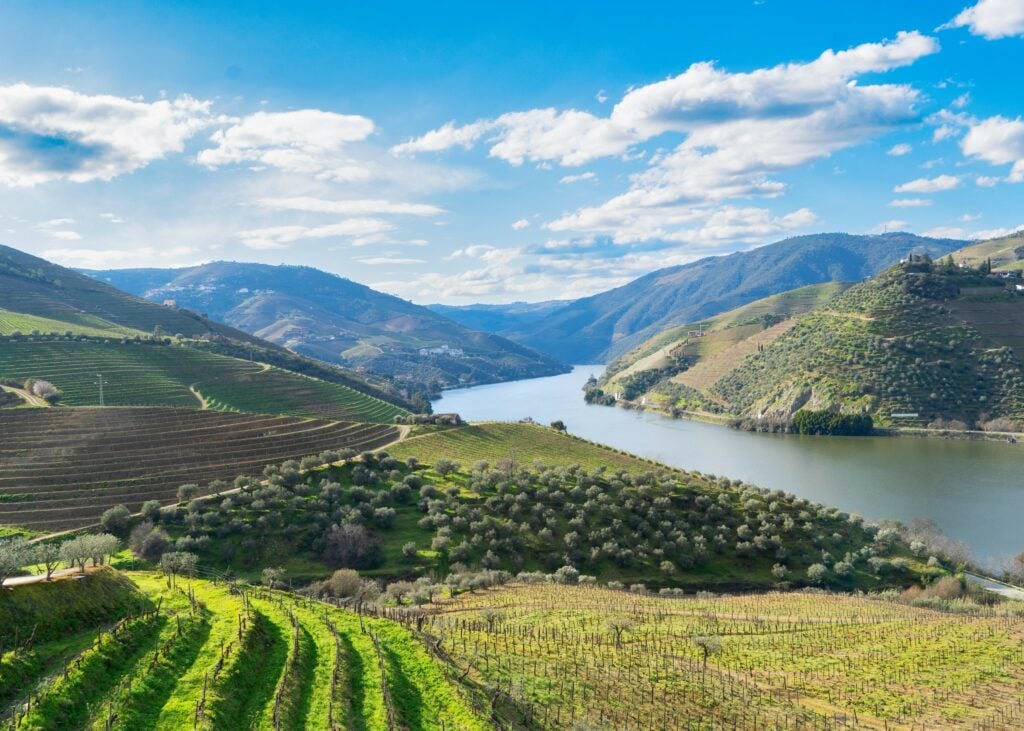
Cascais is not merely a day excursion from Lisbon; it is also a serene base from which to explore the broader landscapes of Portugal. Heading north, three hours along modern highways brings you to the granite river terraces and terraced vineyards of the Douro Valley, or into the medieval alleys of Guimaraes. Heading south across the April 25 Bridge opens up the quiet pine forests and white sand reserves of the Alentejo coast, or the cork oak plains surrounding historic Evora.
Portugal Magik coordinates seamless journeys throughout the country, from northern heritage towns to southern seaside cliffs, allowing you to absorb the atmosphere while someone else manages every turn. Whether you are walking through the scented pine groves of Cascais, listening to ocean waves against granite headlands, or tracing historic borders in the interior, this small country rewards travelers who slow down and let the shoreline lead the way.
Plan your own day
Share your dates, group size and interests, and we will suggest a tailored plan with a local driver/guide.