Rain over Lisbon transforms limestone cobbles into mirrors and turns daily life inward toward grand galleries, warm taverns, and cloistered courtyards across the country.
The Quiet Beauty of Wet Calçada
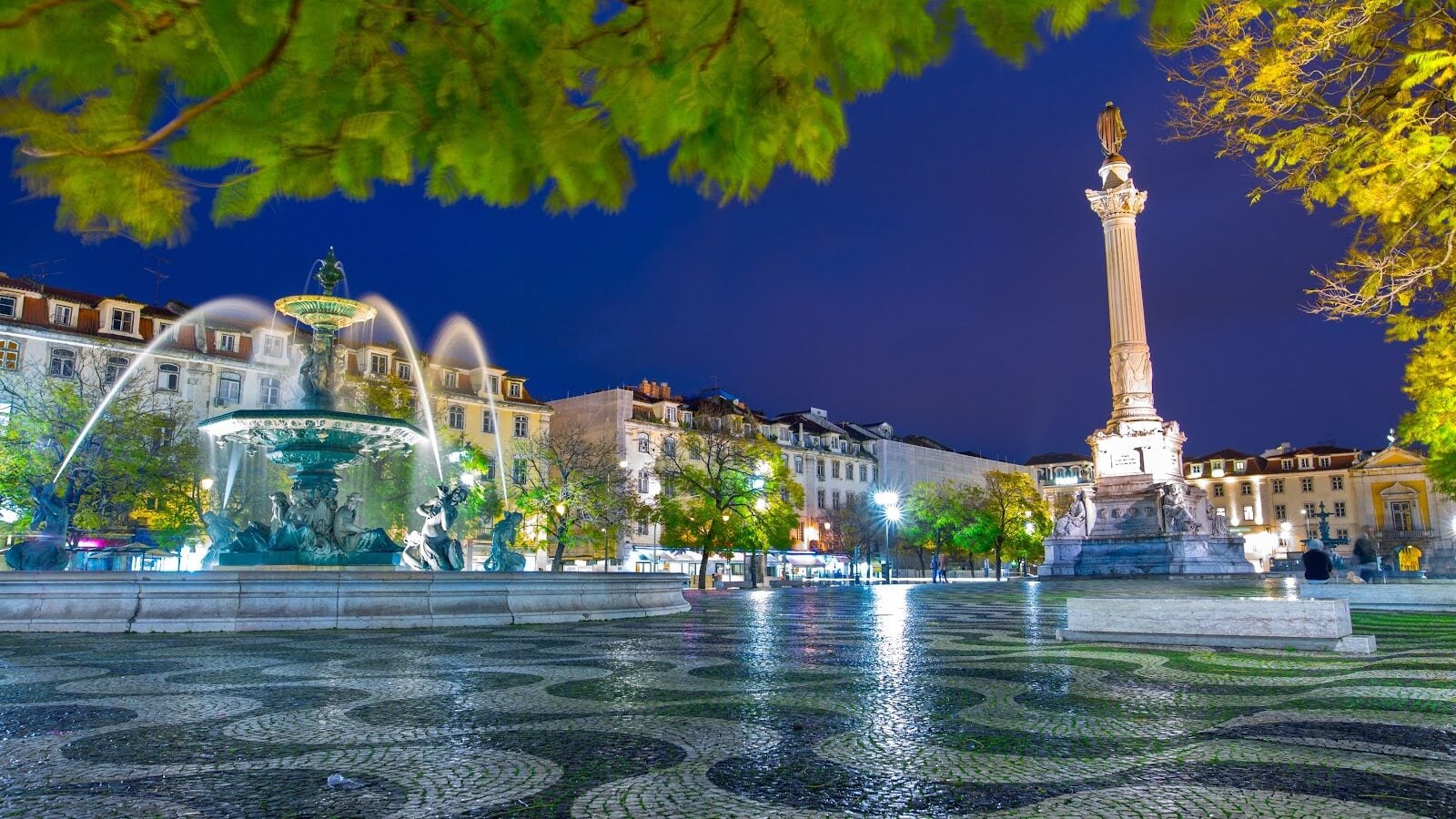
There is a particular silver quality to the Atlantic sky when showers drift up the Tejo estuary. While most visitors associate Lisbon with amber late-afternoon sun pouring over terracotta roofs, the city wears wet weather with immense dignity. The black and white basalt and limestone pavers, our beloved calçada portuguesa, turn into gleaming polished stones that double every streetlamp and vintage tram headlight.
Rain slows the cadence of Lisbon in the most pleasant way. You do not rush up the steep gradients of Chiado or through the alleys of Bairro Alto when it rains; you step carefully, duck under canvas awnings, and listen to the hiss of vintage streetcars gliding down Rua do Loreto. The air smells cleanly of river salt, old book paper, and fresh espresso drifting from open brass doors.
Sanctuaries of Canvas, Tile, and Bookbinding
A stormy morning belongs indoors, surrounded by the objects that tell our collective story. Begin along the northern avenues at the Museu Calouste Gulbenkian. Built within landscaped gardens, this modernist landmark keeps rare Flemish tapestries, eighteenth-century French silver, and extraordinary Lalique glass away from the damp Atlantic breeze. Looking out through the floor-to-ceiling glass windows at rain dripping from camellia bushes while standing beside an ancient Roman coin is one of Lisbon’s finest quiet moments.
Down along the eastern riverfront in Xabregas, the Museu Nacional do Azulejo sits inside the Madre de Deus Convent. Founded in 1509 by Queen Leonor, its church is an explosion of gilded woodwork, but the real treasures are the blue and white tile panels charting Lisbon as it stood before the great earthquake of 1755. You can wander these cloister corridors for hours, dry and unbothered, while rain rattles softly on the terracotta tiles above.
In Chiado, seek refuge inside Livraria Bertrand on Rua Garrett, documented as the oldest operating bookstore in the world. Walk beneath its stone-arched ceilings, order an espresso in the rear salon, and read poetry while drops hit the plate glass facing the square.
Midday Warmth Over Clay Bowls and Steaming Broth
Wet afternoons in Portugal are meant for generous lunches that linger long after the church bells ring two in the afternoon. When moisture hangs in the air, cold salads and quick counter sandwiches make way for comfort food born from mountain kitchens and Atlantic fishing coves.
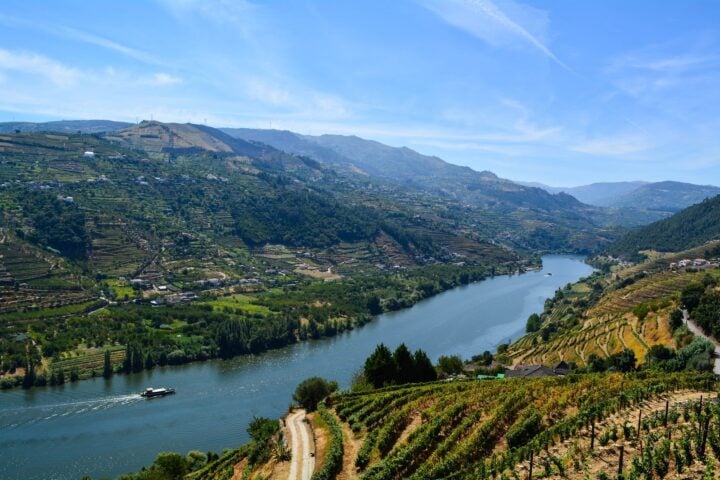
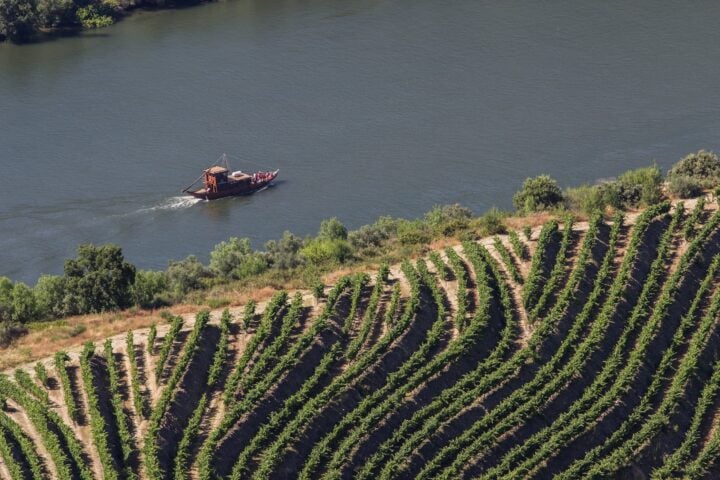
Find a table at an unhurried neighborhood tasca in Campo de Ourique or Principe Real. Order a steaming tureen of arroz de tamboril, monkfish rice scented with ripe tomatoes, sweet peppers, and fresh coriander, or carne de porco a alentejana, where tender marinated pork cubes mingle with fresh clams and fried potatoes. Pair it with a sturdy red wine from the Dao or the slate hills of the Douro. The glasses mist slightly from the warmth of the room, and the conversation hums at an easy, forgiving pitch.
Browse our travel inspiration for ideas, or tell us what kind of day you have in mind.
Leaving the Clouds Behind: Escaping into the Countryside
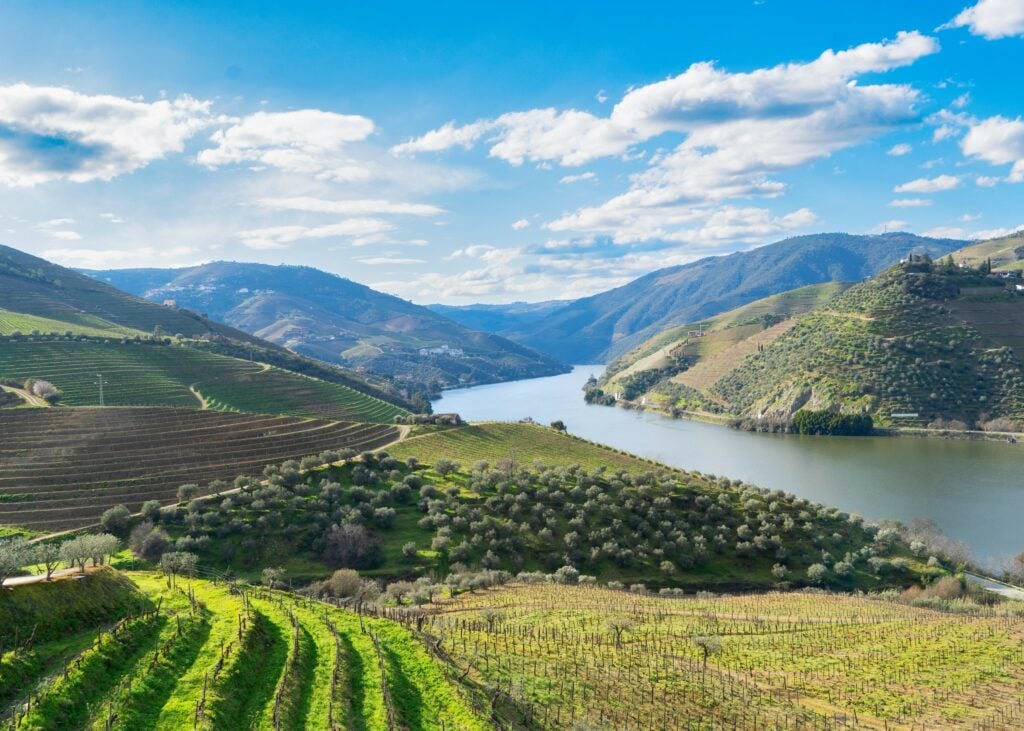
Weather systems in Portugal are notoriously regional. An Atlantic squall can hang stubborn grey curtains over the river in Lisbon while ninety minutes inland, across the southern wheat plains, the sky clears into pale blue over Evora and Monsaraz. Similarly, northern hills around Coimbra or Viseu may carry their own mist, while the maritime microclimate of the Setubal Peninsula stays remarkably mild.
On days when maritime weather sets in heavily across Lisbon, an inland excursion turns gray hours into deep historical exploration. An hour northeast along the highway brings you to Tomar, where the massive stone halls and stone-carved Chapterhouse Window of the Convent of Christ welcome wanderers inside thick defensive walls that have defied Atlantic storms since the twelfth century. Continuing further inland into the dry heart of the Alentejo, ancient Roman temples and deep, silent wine cellars carved into limestone earth offer absolute shelter from coastal rain.
Traveling Across Regions Without Weather Worries
Navigating wet Portuguese roads, tight city parking, and unpredictable weather calls for smart logistics. Having a private tour partner like Portugal Magik turns a damp morning from a disruption into an advantage. Traveling in a spacious Mercedes-Benz vehicle, you step directly from your hotel lobby into warm comfort without wrestling wet umbrellas into crowded transit lines.
A knowledgeable local driver can shape the day around the guests, pivoting smoothly when a coastal storm blows into Cascais or Sintra by steering toward the dry monastic halls of Mafra, the tile workshops of Azeitao, or a quiet vineyard estate across the southern bridge. Instead of watching weather forecasts with frustration, you simply sit back and let someone who knows every turn of the road read the sky for you.
The Rainy Country Beyond the Capital
Embracing rain is an authentic part of traveling throughout all of Portugal. In Porto, three hours north of Lisbon, rain is woven into the city identity. The granite facades of the Ribeira glisten like wet coal, and the cavernous Port wine lodges of Vila Nova de Gaia feel even more atmospheric when fog blankets the Dom Luis I bridge. Sheltering inside stone cellars among century-old casks of tawny port is an unforgettable cold-weather ritual.
In Minho, further north toward Braga and Guimaraes, rain feeds the lush green hills that yield crisp Vinho Verde. Down in the southern Algarve, rain rarely stays more than a few hours, clearing quickly to reveal dramatic red sandstone cliffs against white Atlantic surf. Back in Lisbon, as twilight deepens and streets empty of daytime crowds, duck into an intimate tavern in Alfama or Mouraria. Listen to the mournful cry of the Portuguese guitar blending with the rhythmic drum of raindrops on wet slate, and you will understand why rain in Portugal is not something to escape, but something to savor.
Plan your own day
Share your dates, group size and interests, and we will suggest a tailored plan with a local driver/guide.