From mist-wrapped northern peaks to the sunbaked plains of the deep south, discover ten essential Portuguese destinations and the stories that anchor them.
The Granite Pulse of Porto and the Douro Amphitheater
To understand Portugal, one must first feel the weight of its northern stone. Porto rises from the Douro River in a cascade of weathered granite, wrought iron balconies, and blue and white ceramic tile facades that seem to absorb the Atlantic humidity. Walking through the narrow alleys of the Ribeira district, you smell roasted sardines in summer and simmering tripas a moda do Porto in autumn. Across the double-deck iron bridge in Vila Nova de Gaia, centuries-old lodge rafters shelter sleeping barrels of tawny and vintage port. The city demands sturdy shoes and curiosity, rewarding every steep climb with views that feel painted rather than built.
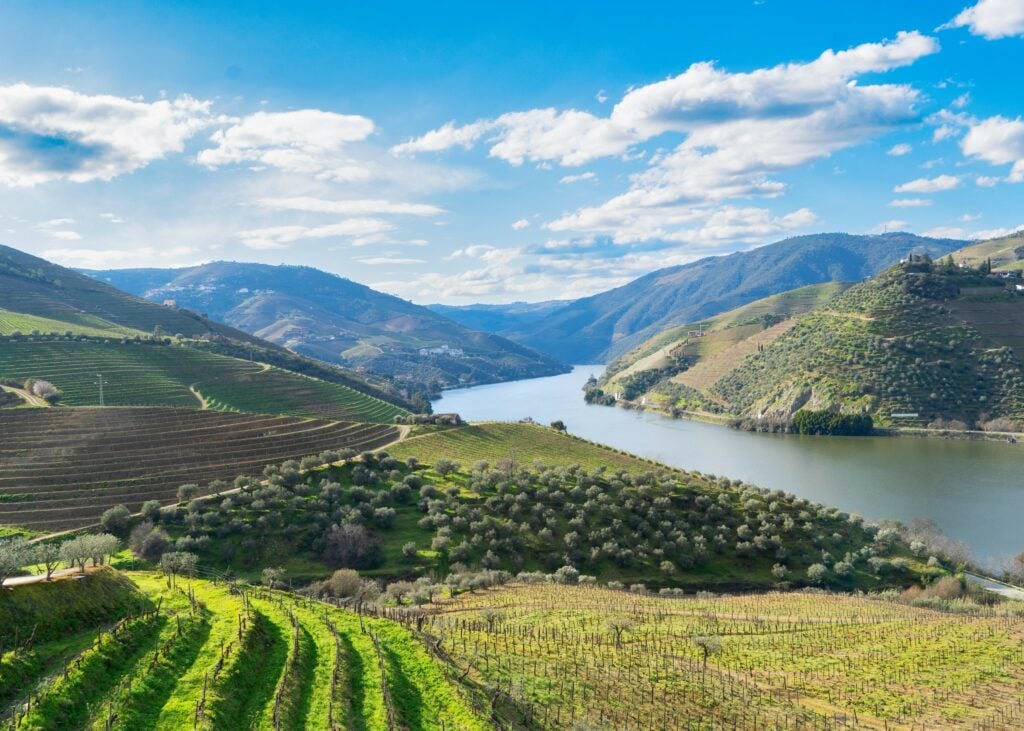
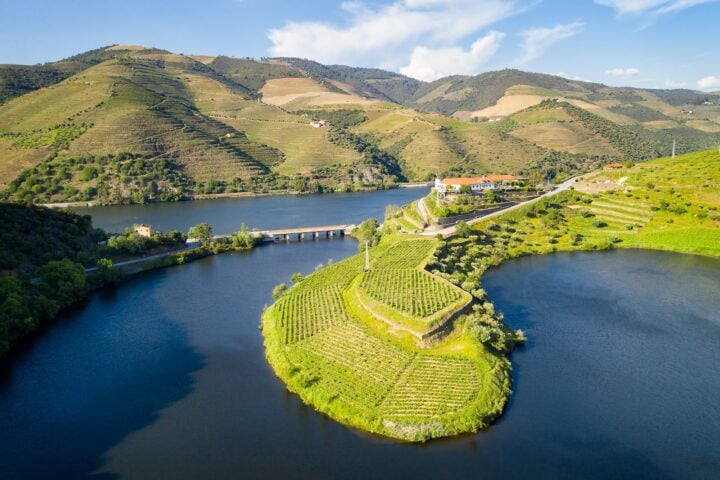
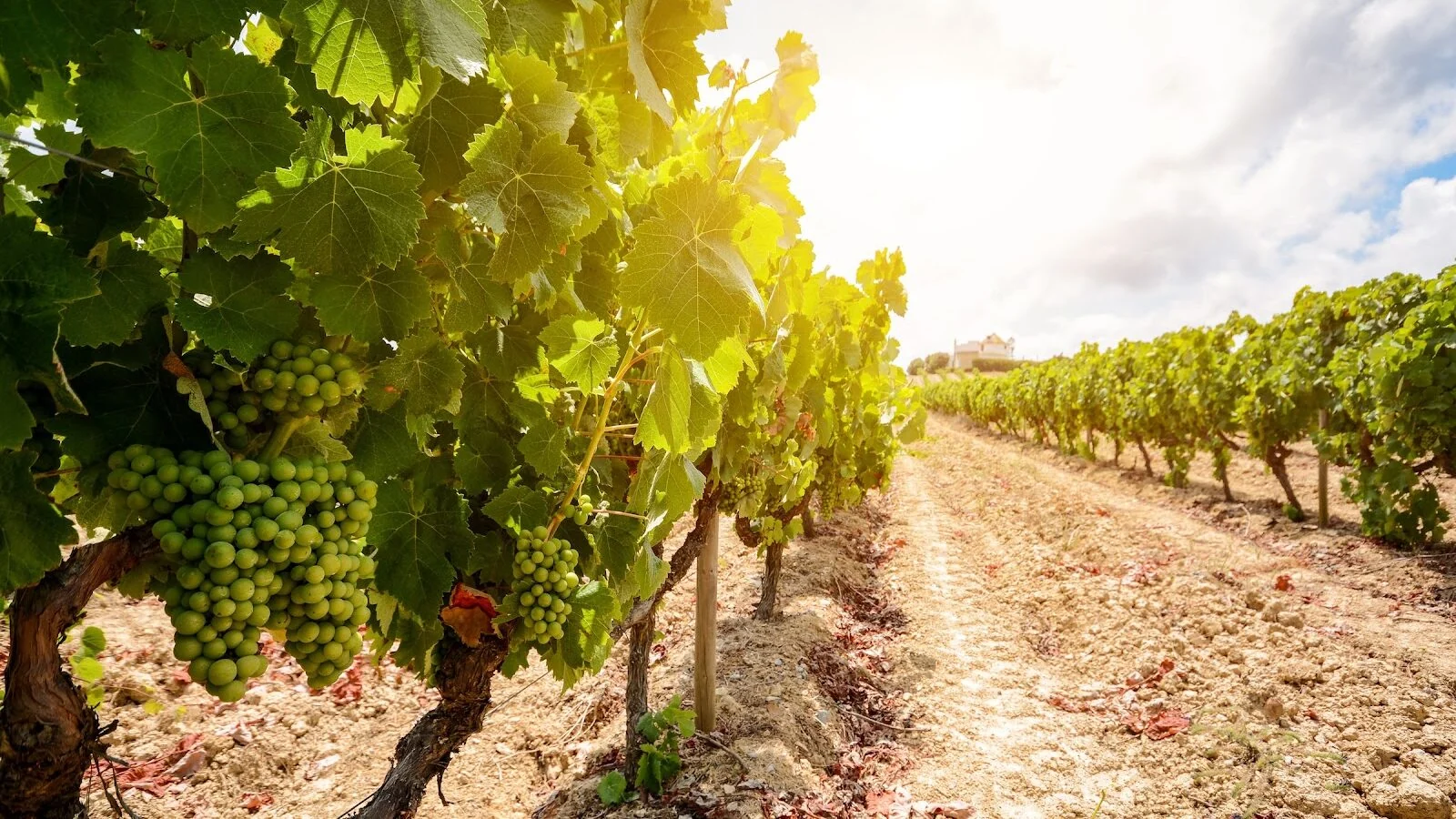
An hour and a half inland along the winding river valley, the scenery shifts dramatically into the world oldest demarcated wine region. The Douro Valley is not merely nature; it is human perseverance carved into steep slate hillsides over millennia. Here, terraced vineyards drop vertically into the quiet current. A morning spent visiting a family-run quinta, sampling dry red field blends alongside crisp olive oil produced from the same terraces, reveals a pace of life governed entirely by the seasons. The drive between Porto and Pinhao requires careful navigation along tight cliff curves, making comfortable transit an essential part of the day.
The Scholarly Air of Coimbra and the Templar Bastion of Tomar
Traveling south through the green center of the country brings you to Coimbra, perched gracefully above the River Mondego. For centuries, this was the intellectual capital of the realm. Up on the hill sits the University of Coimbra, where students still wear sweeping black capes called capas e batinas. The crown jewel is the Joanina Library, an eighteenth-century baroque sanctuary of gilded rosewood, exotic hardwoods, and thousands of leather-bound volumes, all guarded at night by a resident colony of bats that feast on paper-eating insects. Lunch in the lower town ought to center on chanfana, tender goat braised slowly in red wine and clay pots.
Just under an hour further south lies Tomar, the historic stronghold of the Knights Templar. The Convent of Christ here is an architectural marvel that bridges the Romanesque, Gothic, and flamboyant Manueline styles. Standing before the famous Chapterhouse Window, with its carved stone ropes, sea coral, and royal insignias, you grasp the daring maritime ambitions of fifteenth-century Portugal. Exploring both Coimbra and Tomar in a single journey bridges the transition between academic contemplation and chivalric legend, without the rush of public timetables.
Sintra Microclimates and the Sea Winds of Cascais
Only forty minutes west of Lisbon, the granite massif of Sintra catches ocean moisture and creates a cool, fern-filled microclimate that feels detached from the rest of the Iberian Peninsula. Long favored by Portuguese monarchs seeking relief from summer heat, Sintra is a canvas of romantic eccentricity. The colorful towers of Pena Palace capture the imagination, yet the quiet mossy paths of Quinta da Regaleira and the serene ruins of the Moorish Castle offer an even deeper dialogue with the past. Order warm travesseiros, almond and egg cream pastries, straight from the bakeries in the historic center.
Down on the coast, the former fishing harbor of Cascais and the dramatic headland of Cabo da Roca show the Atlantic in its raw glory. Navigating the steep access roads and notorious traffic loops of Sintra can test anyone patience. Traveling between Lisbon, the mountain palaces, and the western shoreline is far more rewarding when experienced with Portugal Magik, where a dedicated local driver and guide can shape the day around the guests, pivoting easily if coastal fog rolls across the high ramparts.
Browse our travel inspiration for ideas, or tell us what kind of day you have in mind.
Lisbon Between Ancient Alleyways and River Light
The Portuguese capital sits across seven hills bathed in a rare white river light reflected from the vast Tagus estuary. Alfama preserves the medieval Moorish footprint, an intricate maze of switchback staircases, drying laundry, and tiny taverns where fado singing floats through open windows after dusk. In contrast, the grand grid of the Baixa district honors the resilience of the Enlightenment, built from scratch after the catastrophic earthquake of 1755. Strolling these neighborhoods requires an appetite for small cups of espresso and warm pastéis de nata, dusted with cinnamon at classic art deco cafe counters.
Downriver in Belem, the Manueline stone lace of the Jeronimos Monastery honors the navigators who charted routes to India and Brazil. Lisbon is energetic, historic, and delightfully spontaneous, but its steep inclines and cobblestones mean careful planning makes all the difference between feeling exhausted and feeling invigorated.
The Whitewashed Plains of Evora and Monsaraz
Crossing the Tagus river southward brings you into the Alentejo, an expansive horizon of golden wheat fields, silver-green olive groves, and ancient cork oak forests. Evora, enclosed within preserved medieval walls, is a living museum of civilizations. Roman Corinthian columns stand proudly beside the Gothic Cathedral, while the eerie Chapel of Bones inside the Church of Saint Francis reminds visitors of the fleeting nature of worldly pursuits. Regional dining here is legendary: rich acorn-fed porco preto pork, bread-thickened acorda soups fragrant with fresh coriander, and robust local red wines.
Eastward toward the Spanish border, the tiny walled hamlet of Monsaraz sits atop a lone schist hill overlooking the sparkling waters of the Alqueva reservoir. Its car-free, whitewashed cobblestone streets remain virtually unchanged since the middle ages. With vast distances separating these historic Alentejo outposts, partnering with Portugal Magik allows you to sink into the quiet rhythm of the plains in a Mercedes-Benz vehicle, listening to stories of frontier battles while leaving the regional navigation entirely to your guide.
The Secluded Coves and Wild Headlands of the Algarve
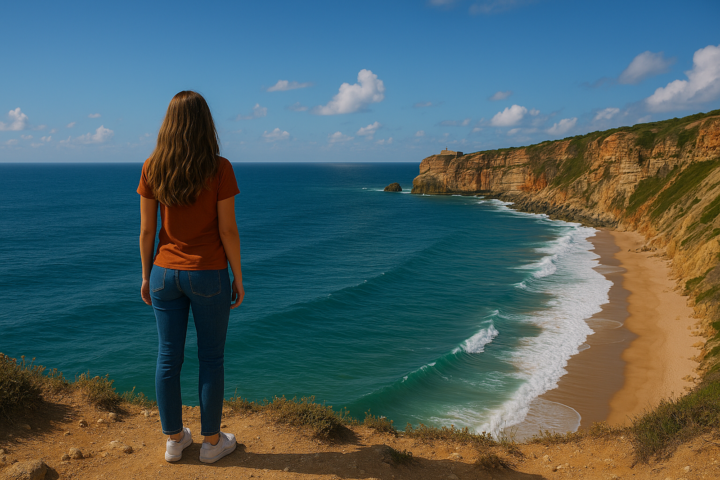
The southern rim of Portugal is far more than a resort getaway; it is a historic province shaped by North African heritage and dramatic geology. To find its real soul, leave the built-up corridors behind and head west toward Sagres and Cape Saint Vincent. Here, sheer limestone cliffs plummet over two hundred feet into churning Atlantic surf, marking what Europeans once believed was the literal end of the known world. The wind here carries sea spray and wild thyme, clean and invigorating.
Tucked into the central limestone coast near Lagoa and Carvoeiro, hidden sea grottos and sheltered coves like Praia da Marinha reveal golden sea arches sculpted by water and time. Further east, the gentle fishing village of Olhao sits against the tidal lagoons of the Ria Formosa natural park, where fishermen bring in sweet clams, octopus, and fresh sea bass daily. Reaching the Algarve from Lisbon takes roughly two and a half to three hours along smooth southern motorways, completing a journey that stretches across the very best horizons this ancient seafaring nation has to offer.
Plan your own day
Share your dates, group size and interests, and we will suggest a tailored plan with a local driver/guide.