Journey into central Portugal to explore the silent reverence of Fatima and the soaring Gothic stonework of Batalha, two profound national symbols just minutes apart.
The Contrasting Hearts of Central Portugal
To understand Portugal, one must grasp how deeply devotion and national destiny intertwine. A single day spent in the central province of Beira Litoral reveals this bond with striking clarity. Here, separated by barely twenty kilometers of pine forests and limestone hills, stand Fatima and Batalha. One is a quiet beacon of twentieth-century Roman Catholic pilgrimage; the other is a triumphant masterwork of fourteenth-century Gothic and Manueline architecture born from a desperate battle for independence.
Travelers often rush past this central corridor on their way between Lisbon and Porto, catching glimpses of motorway signs without realizing how profoundly these two sites complement one another. Setting aside a full day to experience them together allows you to move from deep spiritual stillness to awe-inspiring artistic ambition, offering an intimate window into the Portuguese soul.
Morning Stillness at the Sanctuary of Fatima
Fatima lies roughly ninety minutes north of Lisbon along the A1 highway, or two hours south of Porto. Arriving in the early morning offers the best experience, before larger groups arrive and when the vast limestone esplanade still holds the cool morning mist. Even for travelers who do not practice faith, the atmosphere is impossible to ignore. The air carries the scent of melting beeswax from the long troughs beside the Chapel of the Apparitions, where pilgrims light candles that burn continuously throughout the year.
The story centers on three shepherd children, Lucia, Francisco, and Jacinta, who witnessed apparitions of the Virgin Mary here in 1917 against the tumultuous backdrop of the First World War. Within the Basilica of Our Lady of the Rosary, the tombs of the young shepherds rest in white marble dignity. Across the great square stands the modern Basilica of the Most Holy Trinity, designed by Greek architect Alexandros Tombazis, showing how the sanctuary continues to evolve with contemporary art. A gentle walk around the perimeter takes about two hours, leaving you unhurried and thoughtful as midday approaches.
A Midday Table in the Limestone Hills
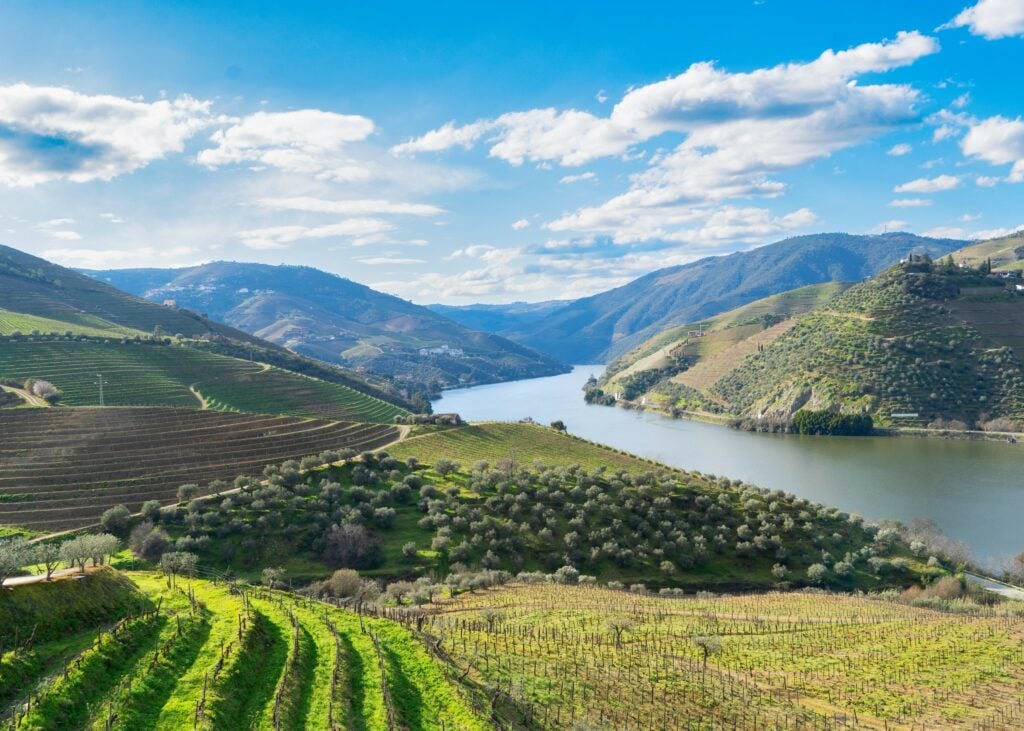
Between Fatima and Batalha, the landscape rises into the Aire and Candeeiros mountains, a karst region of olive groves, stone walls, and underground caves. This terrain calls for honest, traditional cooking. For lunch, step away from tourist centers and head toward a country tavern serving the hearty cuisine of central Portugal.
Look for roast kid goat, known locally as cabrito assado, slow-cooked in wood-fired ovens with bay leaves, garlic, and crisp potatoes. Alternatively, try bacalhau com broa, salted cod baked under a crust of cornbread with generous streams of local olive oil. Pair your meal with an aromatic red or crisp white wine from the Encostas d’Aire wine region, which captures the brisk minerality of the limestone soils. Taking time for a proper, two-hour Portuguese lunch prepares your spirit for the architectural wonders waiting in the afternoon.
Browse our travel inspiration for ideas, or tell us what kind of day you have in mind.
The Soaring Wonder of Batalha Monastery
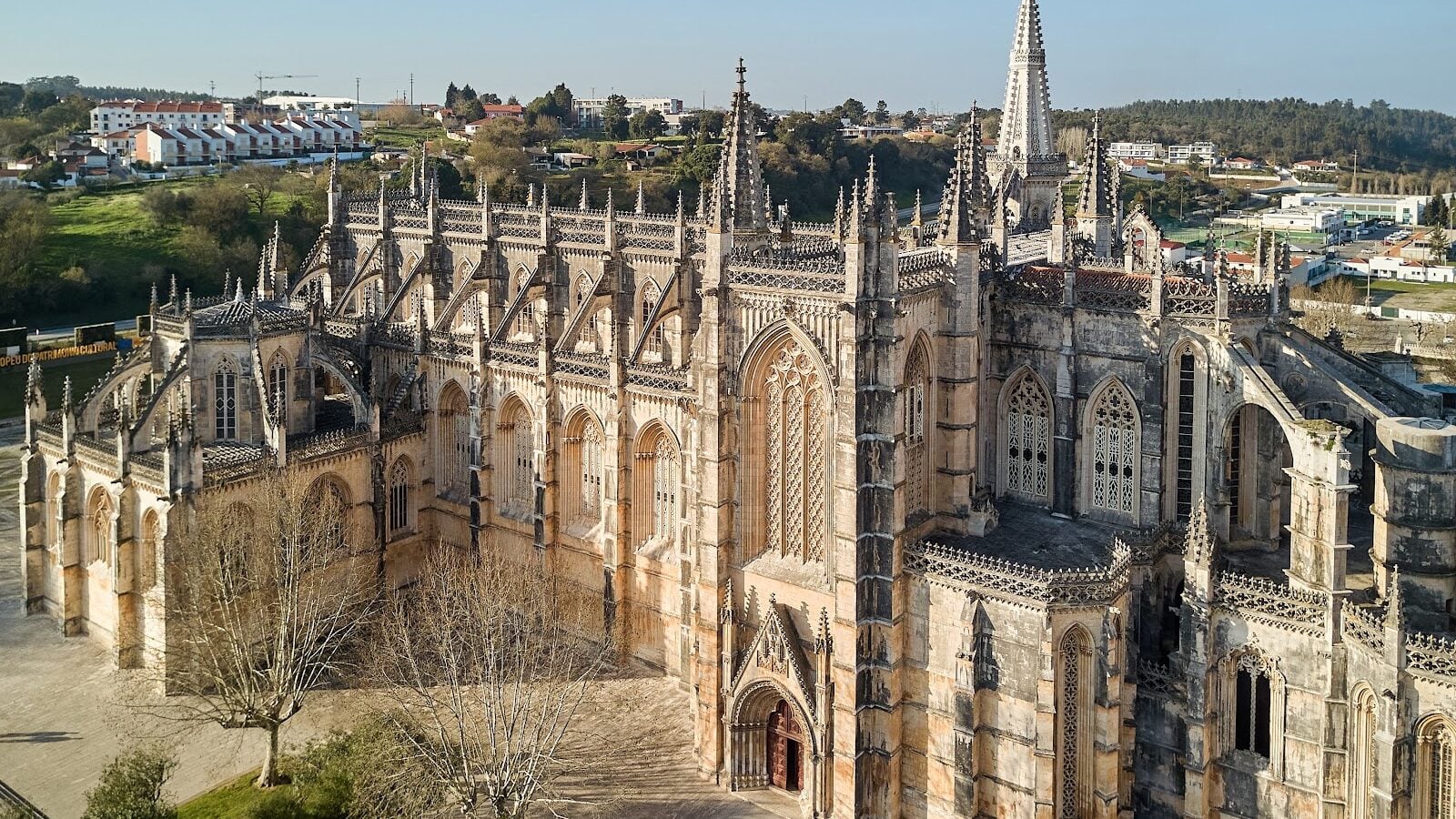
Descending from the hills into the valley of Batalha, the golden limestone monastery of Santa Maria da Vitoria appears suddenly, dominating the town. King Joao I commissioned this monument to fulfill a vow made before the Battle of Aljubarrota in 1385, where an outnumbered Portuguese force defeated the Castilian army to secure the kingdom’s sovereignty. The monastery took more than a century to construct, transitioning from soaring European Gothic into the flamboyant, maritime-inspired Manueline style.
Stepping inside the main nave, you are greeted by astonishing verticality and jewel-toned light filtering through rare sixteenth-century stained glass. In the Founder’s Chapel, King Joao I and his English queen, Philippa of Lancaster, rest hand in hand atop a joint tomb, surrounded by the resting places of their celebrated children, including Prince Henry the Navigator. Equally moving are the Royal Cloister, where stone tracery mimics coral and twisted sea ropes, and the Chapter House, where two Portuguese soldiers stand perpetual guard beside the Tomb of the Unknown Soldier.
Open Skies in the Unfinished Chapels
No visit to Batalha is complete without walking into the Capelas Imperfeitas, the Unfinished Chapels. Commissioned by King Duarte in the early fifteenth century as a royal pantheon, work on this grand octagonal structure halted when King Manuel I shifted the kingdom’s stonemasons and resources toward the Jeronimos Monastery in Lisbon. As a result, seven individual chapels rise toward the sky without a roof.
Standing beneath the open heavens, surrounded by dizzyingly intricate carvings of artichokes, ivy, and royal emblems carved into warm stone, creates an indelible impression. Birds nest inside the carved cornices, and drifting clouds become the ceiling. It is one of the most romantic and poetic ruins in all of Europe, reminding visitors of human ambition and the shifting tides of history.
Practical Advice and Touring the Route
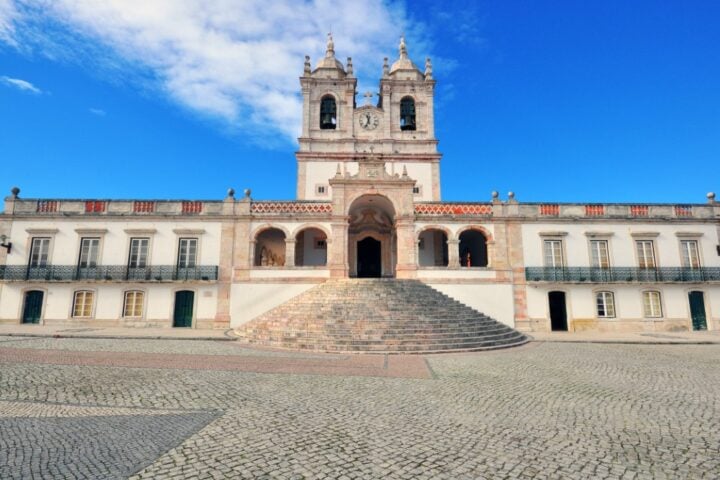
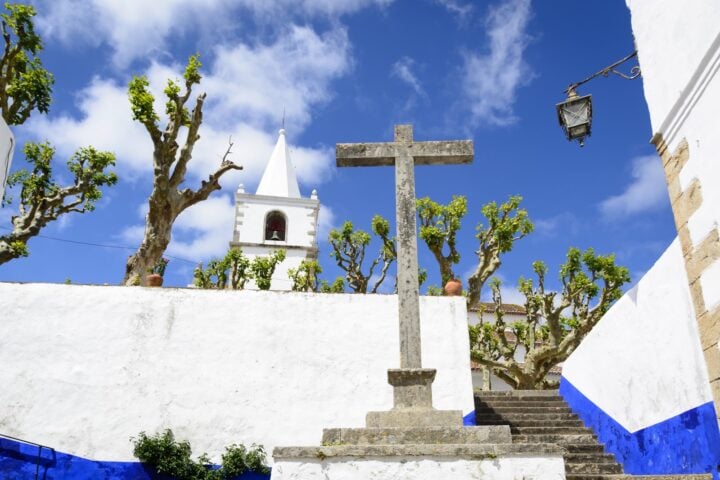
Combining Fatima and Batalha is straightforward with the right planning. Wear flat walking shoes with good traction, as the polished limestone around the Fatima sanctuary and the ancient stone floors of Batalha can be slippery. If your schedule allows, the dramatic Atlantic fishing village of Nazare or the fortified village of Obidos sits just a short drive away toward the coast, offering a delightful late afternoon seaside stroll before turning back to your hotel.
Because moving between regional sights involves rural roads and varying historic hours, traveling with Portugal Magik makes the entire day completely seamless. A knowledgeable local driver can shape the day around your personal interests, timing your arrival at Batalha when afternoon light strikes the stained glass just right and securing an authentic country lunch off the common path. Whether starting from Lisbon, Porto, or an inland estate, having a dedicated local guide allows you to relax in a comfortable Mercedes-Benz vehicle, listening to stories of battles and belief that breathe life into every stone.
Plan your own day
Share your dates, group size and interests, and we will suggest a tailored plan with a local driver/guide.