Perched high above the Guadiana plains, medieval Monsaraz opens out onto Europe largest artificial lake and some of the clearest, darkest night skies on the continent.
The High Keep Above the Plains
Approaching Monsaraz from the open plains of the Central Alentejo feels like sighting an island carved out of rock. The whitewashed medieval village sits crowned inside its dark schist fortifications, elevated hundreds of feet above the surrounding terrain. For centuries, this fortified crest stood watch over the border with Spain, trading hands between Moorish rulers, Portuguese kings, and the Knights Templar. Today, stepping through the arched stone gateway of Porta da Vila leads into a quiet world of flagstones, bougainvillea, and sunlit lime-washed walls.
Unlike larger regional centers like Evora, Monsaraz has retained an intimate, almost suspended atmosphere. Cars cannot freely navigate the narrow lanes, leaving footpaths quiet except for the calls of swifts wheeling overhead. Walking along Rua Direita, you pass low doorways with wrought-iron lanterns and small workshops selling local wool blankets and clay pottery. At the western edge, the old castle keep provides an unmatched vantage point where you can gaze over silver olive groves and the vast blue expanse of the Alqueva reservoir.
The Mirrored Waters of Alqueva
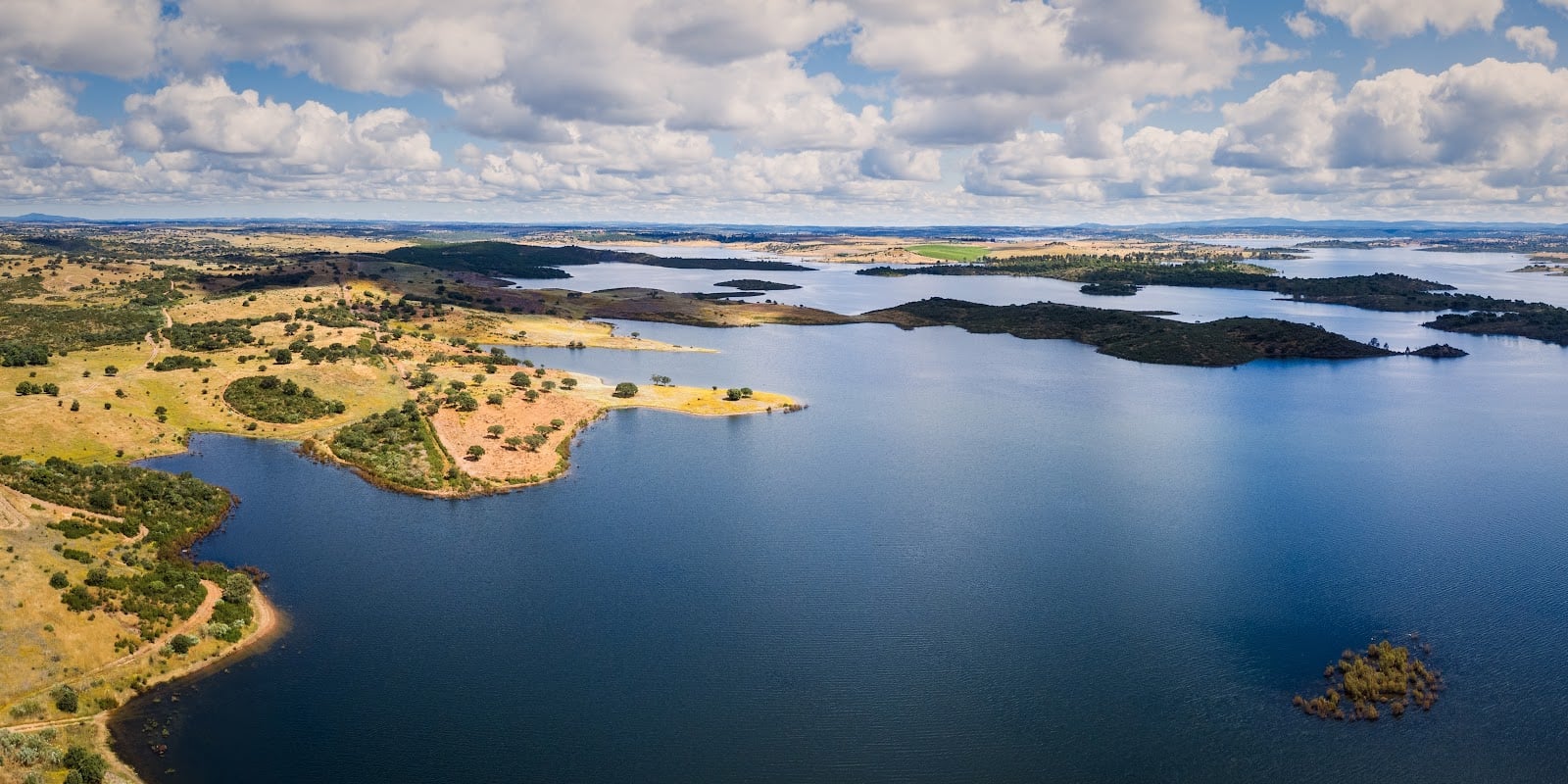
The landscape below Monsaraz underwent a profound transformation with the completion of the Alqueva Dam across the Guadiana River in 2002. What was once an arid river basin became the largest artificial lake in Western Europe, spanning over two hundred and fifty square kilometers and crossing the border into Spain. The water reshaped the local geography, creating hundreds of small islands, secluded inlets, and tranquil freshwater beaches.
River beaches like Praia Fluvial de Monsaraz provide a welcome respite during the heat of late spring and summer. The water is clear and calm, reflecting the brilliant blue of the southern sky. Exploring the lakeshore reveals how modern water management blends into historic landscapes, where ancient olive trees still dip their roots into the shallows near the banks. It is a striking contrast to the dramatic ocean cliffs found in western regions like the Costa Vicentina or the rugged shores near Cascais.
Tasting the Earth: Clay Pots and Rich Pork
Meals in Monsaraz reflect the soul of the Alentejo, a region where cooking has always celebrated seasonal abundance and rural traditions. Lunch often begins with local bread, sheep milk cheeses from nearby Serpa, and cured sausages seasoned with garlic and sweet paprika. The star of the table is frequently porco preto, the native Iberian black pig that feeds on sweet acorns across the surrounding cork oak forests. Slow-roasted cuts or migas, a hearty pan-fried dish of bread soaked in pork drippings and garlic, showcase these time-honored techniques.
In nearby villages like Sao Pedro do Corval, potters still handcraft the heavy earthenware pots, known as talhas, historically used for fermenting wine. Dining at a local tavern like Taverna Os Templarios or Sem Fim, a converted olive oil press, offers a genuine connection to these traditions. Paired with a robust local red made from Alicante Bouschet, Trincadeira, or Aragonez, every meal here feels tied directly to the surrounding red soil.
Browse our travel inspiration for ideas, or tell us what kind of day you have in mind.
The Dark Sky Reserve
As the sun dips below the horizon, painting the whitewashed walls in shades of peach and deep amber, Monsaraz prepares for its most captivating act. The Alqueva region is certified as the world first Starlight Tourism Destination. Thanks to minimal atmospheric pollution, consistently clear weather, and a collective commitment among local municipalities to dim public lighting at night, the Alqueva sky becomes an open observatory.
The celestial show is breathtaking. The Milky Way arches directly overhead with remarkable clarity, casting a faint glow over the still waters of the lake below. At the Observatorio Oficial Dark Sky Alqueva in the nearby village of Cumeada, visitors can look through professional telescopes guided by knowledgeable astronomers. Even from the parapets of the Monsaraz castle walls, the sheer density of stars visible to the naked eye is humbling, reminiscent of nights spent on open seas far from land.
Planning the Journey Across the Country
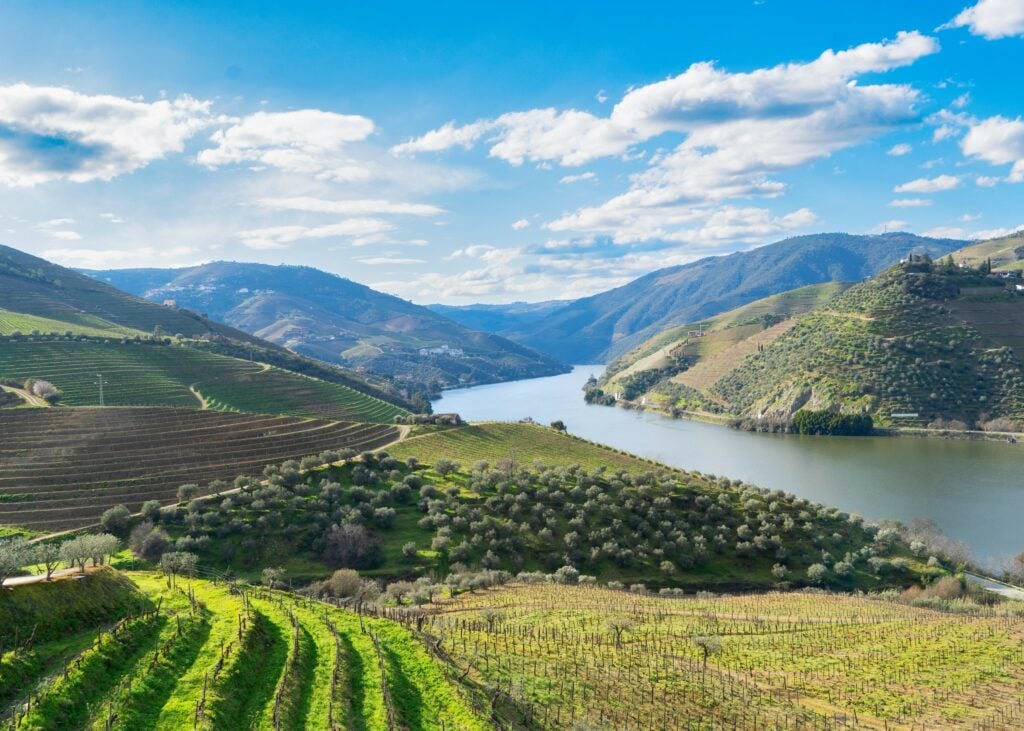
Traveling to Monsaraz requires thoughtful planning, as it sits deep within the Portuguese interior. From Lisbon, the drive takes roughly two hours and fifteen minutes, traveling east across the Vasco da Gama bridge and rolling past the cork forests of Montemor-o-Novo and Evora. From the southern beaches of Faro in the Algarve, expect a scenic two-and-a-half-hour route north through the rolling hills of the Baixo Alentejo. If you are journeying down from Porto in the north, it makes an ideal second chapter after exploring the steep granite terraces of the Douro Valley, taking around four hours by road.
Navigating these quieter interior roads is effortless when you have an expert behind the wheel. Engaging Portugal Magik for a private journey in a Mercedes-Benz vehicle allows you to transition smoothly from coastal centers into the heart of the countryside. A local driver can shape the day around your personal interests, pointing out hidden megalithic stone circles like the Cromeleque do Xerez or stopping at quiet ceramic kilns that most visitors drive right past.
Ancient Stones and Artisanal Clay
A trip to Monsaraz is incomplete without exploring its surrounding cultural anchors. Just outside the village stands the Menir da Bulhoa, a carved granite standing stone dating back to the fourth millennium BC, adorned with mysterious engravings of sun symbols and zigzags. These ancient monuments pepper the landscape, proving that humanity has gathered to watch the heavens from this very ground for thousands of years.
A few miles down the road sits Sao Pedro do Corval, renowned as one of the largest traditional pottery centers in the country. With more than twenty active family-run workshops, it is a joy to step inside and watch master potters shape wet clay on spinning wheels, painting each piece by hand with classic floral, bird, and rural motifs. Discovering these timeless rhythms reveals the true warmth of the Portuguese interior, ensuring that your memories of the dark skies and sunny walls linger long after you return home.
Plan your own day
Share your dates, group size and interests, and we will suggest a tailored plan with a local driver/guide.