Discover why choosing fewer hotel bases and spending at least three nights in each spot creates a richer, more relaxing travel experience across Portugal.
The Pitfall of the Whirlwind Tour
Travel itineraries for Portugal often turn into a race against the clock. Travelers map out a fresh town for every morning, checking into a different room each night. While the desire to see every famous landmark is understandable, moving daily turns a vacation into a packing exercise. Suitcases remain half-open on luggage racks, early checkout deadlines dictate morning alarms, and hours spent packing and checking in eat into valuable sightseeing time.
Portugal does not demand constant relocation to reveal its character. The country is relatively compact and remarkably interconnected, making frequent hotel hops unnecessary. A rapid pace often blurs memories of cobblestone alleys and riverside strolls together, leaving visitors exhausted rather than inspired. Slowing down allows the landscape and local routines to register in a much deeper way.
Choosing to spend at least three nights in each destination transforms the entire journey. Instead of skimming surfaces, you get the chance to settle in, observe the natural rhythm of neighborhood life, and absorb the unique atmosphere of each region.
The Relief of Unpacking Once
There is an unmistakable mental relief that comes with unpacking clothes into a wardrobe and sliding luggage into a closet for several days. Unpacking once creates a comforting sense of temporary home in an unfamiliar place. It removes the nightly chore of repacking toiletries, securing chargers, and worrying about whether an item was left behind in yesterday's room.
Beyond simple convenience, having a stable room changes how you move through the day. You no longer need to carry heavy daypacks containing everything needed until the next hotel check-in. Returning to the same room during the late afternoon offers a peaceful haven to rest, read, or change shoes before stepping back out for a calm evening meal.
Strategic Hubs for Regional Exploration
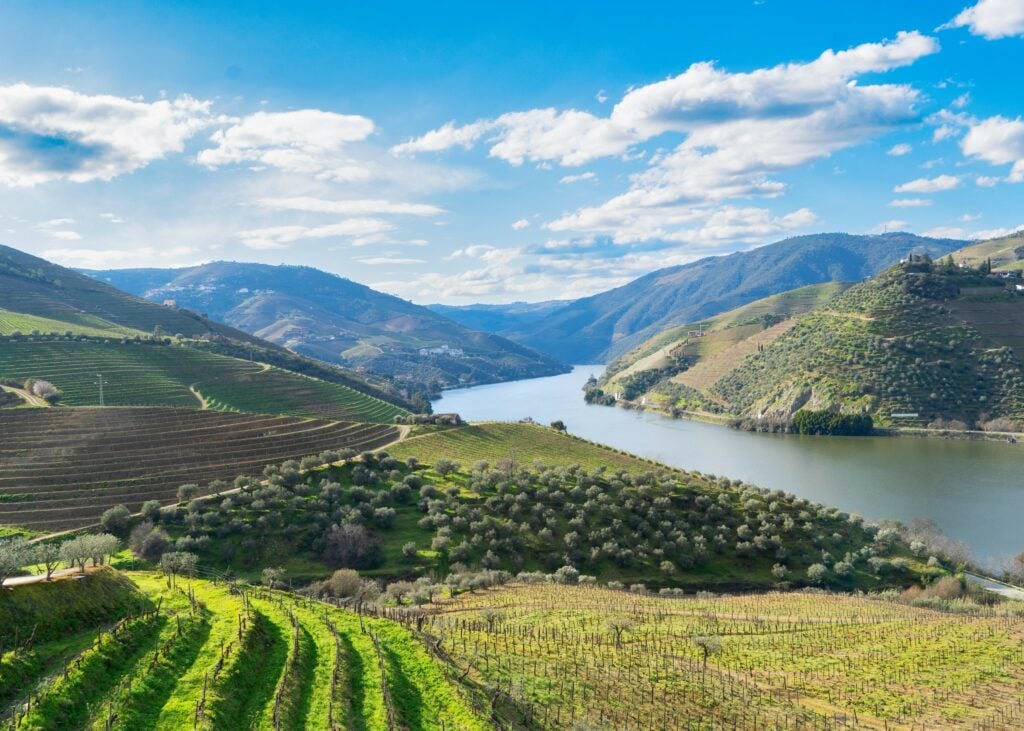
Slow travel relies on picking the right anchors. Portugal lends itself naturally to this approach because several key cities and towns serve as wonderful hubs for exploring surrounding villages, coastal trails, and valleys. In the north, settling in Porto lets you explore riverside paths, historic architecture, and the nearby Douro valley without changing beds each night.
In central Portugal, historic centers like Coimbra or Evora open doors to layers of history without demanding daily moves. From an inland base in Evora, rolling plains, cork oak forests, and quiet fortified hill towns are all within easy reach. You can spend the morning exploring ancient Roman ruins or medieval lanes and still return to familiar surroundings by dinner.
Lisbon is perhaps the ultimate base. From the capital, suburban rail connects travelers smoothly to seaside promenades in Cascais and mossy forested hills in Sintra. You can admire Belem Tower or stop by Jeronimos Monastery in the morning, and still have your entire afternoon open to wander through central squares at your own pace.
Day Trips Without the Packing Panic
Basing yourself in one location does not mean staying confined to city limits. Day trips become far more enjoyable when your main luggage remains at your hotel. Catching a morning train to a seaside community like Nazare or walking through the stone gates of Obidos feels wonderfully light when all you carry is a small shoulder bag and a camera.
Public transport makes traveling between major towns straightforward. For travelers heading into rural wine regions like the Dao or exploring country roads between remote villages, hiring a private driver keeps longer days relaxed and spares you the effort of route navigation.
The greatest advantage of a day trip from a permanent base is returning home before fatigue sets in. Because you do not need to locate a new hotel lobby, negotiate check-in, or carry heavy bags up historic staircases, the journey feels like an effortless excursion rather than a logistical challenge.
Embracing Cafe Culture and Daily Rhythms
The heart of Portuguese daily life beats in quiet public squares and neighborhood pastelarias. When you spend multiple nights in one neighborhood, local cafe culture stops being a sightseeing stop and becomes a welcoming daily ritual. Ordering an espresso and a pastry at the same corner counter each morning offers a window into how residents start their day.
By the third morning, familiar faces appear behind the counter and at neighboring tables. You begin to notice which outdoor benches catch the best morning sun and which shady plane trees offer relief during warmer hours. These quiet, unscripted moments rarely occur when rushing to catch an early morning train to the next stop.
Morning Markets and Unscheduled Afternoons
Slowing down leaves time for vibrant community markets. Municipal markets throughout Portugal showcase seasonal fruit, artisan cheeses, fresh bread, and regional produce. Wandering through these covered halls without a strict timeline lets you chat with stallholders, sample regional snacks, and absorb local food traditions at leisure.
A three night stay also provides the gift of the unscheduled afternoon. Leaving a few hours completely blank invites serendipity. You might spend two hours sitting along a riverbank, reading in a quiet municipal park, or following a shaded cobblestone side street simply because the architecture caught your eye.
Designing a Balanced Route
Building a slow itinerary requires letting go of the urge to cover every corner of the map in a single trip. A two week journey through Portugal is far more memorable when anchored around three or four deliberate bases. Combining three nights in the capital with three nights in the Alentejo and three nights in the north yields a much richer perspective than racing through ten different towns.
Give yourself permission to do less each day. By embracing slow travel, you trade highway hours for deeper cultural connections, rushed photo opportunities for lingering meals, and travel fatigue for true rest. In Portugal, the best memories almost always happen in the relaxed spaces between destinations.
Related Portugal itineraries
Planning your own Portugal route?
For private day trips and tailor-made multi-day itineraries, LisbonGuide recommends Portugal Magik, a trusted local private tour operator. Share your dates, group size and the places you would like to see, and their team replies with a day by day proposal with a private driver.