Spend two days discovering Porto on foot and across the river, then follow the Douro into its vineyard country. This three-day route leaves room for tiled stations, proper lunches and the pleasure of stopping when the view asks you to.
Begin with three nights in Porto
Porto reveals itself in layers: damp granite before breakfast, washing above a narrow lane, the sudden silver of the Douro between buildings. Give the city two full days before heading upriver. The vineyards mean more once you have walked the quays where their wines once arrived in wooden boats. For a straightforward itinerary, spend three nights in Porto and make the Douro your third day’s outing.
Stay around Aliados or the quieter streets near Praça da República if you enjoy walking into the centre. Ribeira puts you beside the water, but expect hills whenever you leave it. From Porto Airport, allow roughly 25 to 40 minutes by road to central accommodation, longer in heavy traffic. Pack shoes with a good grip and a light waterproof layer: northern Portugal can deliver sunshine and a sharp shower within the same afternoon.
This northern chapter fits naturally into a wider Portugal journey. Lisbon to Porto takes about three hours by the fastest trains; Coimbra makes a rewarding overnight stop rather than another rushed attraction.
Day one: tiles, market voices and the old city
Start at São Bento station, ideally before the busiest sightseeing hours. Jorge Colaço’s early twentieth-century tile panels turn the entrance hall into a sweep of Portuguese history and rural life. It is still a working railway station, so step aside for people catching trains. From here, climb to the Sé cathedral for a first understanding of Porto’s geography: roofs falling towards the river, Gaia rising opposite.
Loop north to Mercado do Bolhão, allowing around 15 to 20 minutes on foot from the cathedral. The restored market remains a place to see fish counters, vegetables, flowers and everyday exchanges, although visitors are now very much part of its rhythm. Check opening days before planning around it. A coffee and something small will do for now; leave your appetite intact.
For lunch, try tripas à moda do Porto if beans, sausage and tripe appeal. The dish is closely tied to the city’s identity. Afterwards, descend along Rua das Flores towards Ribeira, taking the side lanes slowly. Save the gilded interior of São Francisco for a deliberate visit rather than squeezing it between photographs.
Day one, late afternoon: cross the river for the other view
The Dom Luís I Bridge, opened in 1886, connects two quite different perspectives on the same river. Its upper deck carries the Metro and pedestrians, with broad views but little shelter from wind. Cross there from the cathedral side, keeping clear of the tracks, and pause around Jardim do Morro. If you are already down on Ribeira’s waterfront, the lower deck is the easier crossing.
Vila Nova de Gaia is where many historic port wine lodges stand. Book a guided cellar visit rather than assuming you can walk into the next departure. A tasting that compares ruby and tawny styles gives useful context before the vineyard day. Port is fortified wine, and those small glasses deserve a measured pace.
Return to Porto for dinner, or remain in Gaia as the opposite bank catches the evening light. A francesinha is an emphatically hearty option: layers of meat, melted cheese and a hot sauce, usually accompanied by chips. Share one if you want room for anything afterwards.
Browse our travel inspiration for ideas, or tell us what kind of day you have in mind.
Day two: a bookshop, quiet gardens and the Atlantic
Use the second morning for one booked highlight, not a collection of queues. Livraria Lello rewards visitors interested in its carved interiors and theatrical staircase, but timed admission does not promise solitude. Alternatively, choose the Clérigos tower if steep steps suit you. Either way, continue to the Jardins do Palácio de Cristal, where paths and terraces offer breathing room above the Douro.
After lunch, head towards Foz do Douro, where the river meets the Atlantic. From central Porto, allow roughly 20 to 35 minutes by taxi, depending on traffic. Walk along the seafront towards the Pérgola da Foz, with a jacket even on a bright day. The ocean changes the mood completely: fewer stone walls, more wind, gulls and salt.
If seafood is a priority, continue to Matosinhos for dinner. Around the streets near the fishing port, look for restaurants grilling whole fish and ask what is fresh that day. Sardines are a seasonal pleasure, particularly in summer, not a year-round obligation. Confirm whether fish is priced by weight before ordering.
Day three: follow the Douro into vineyard country
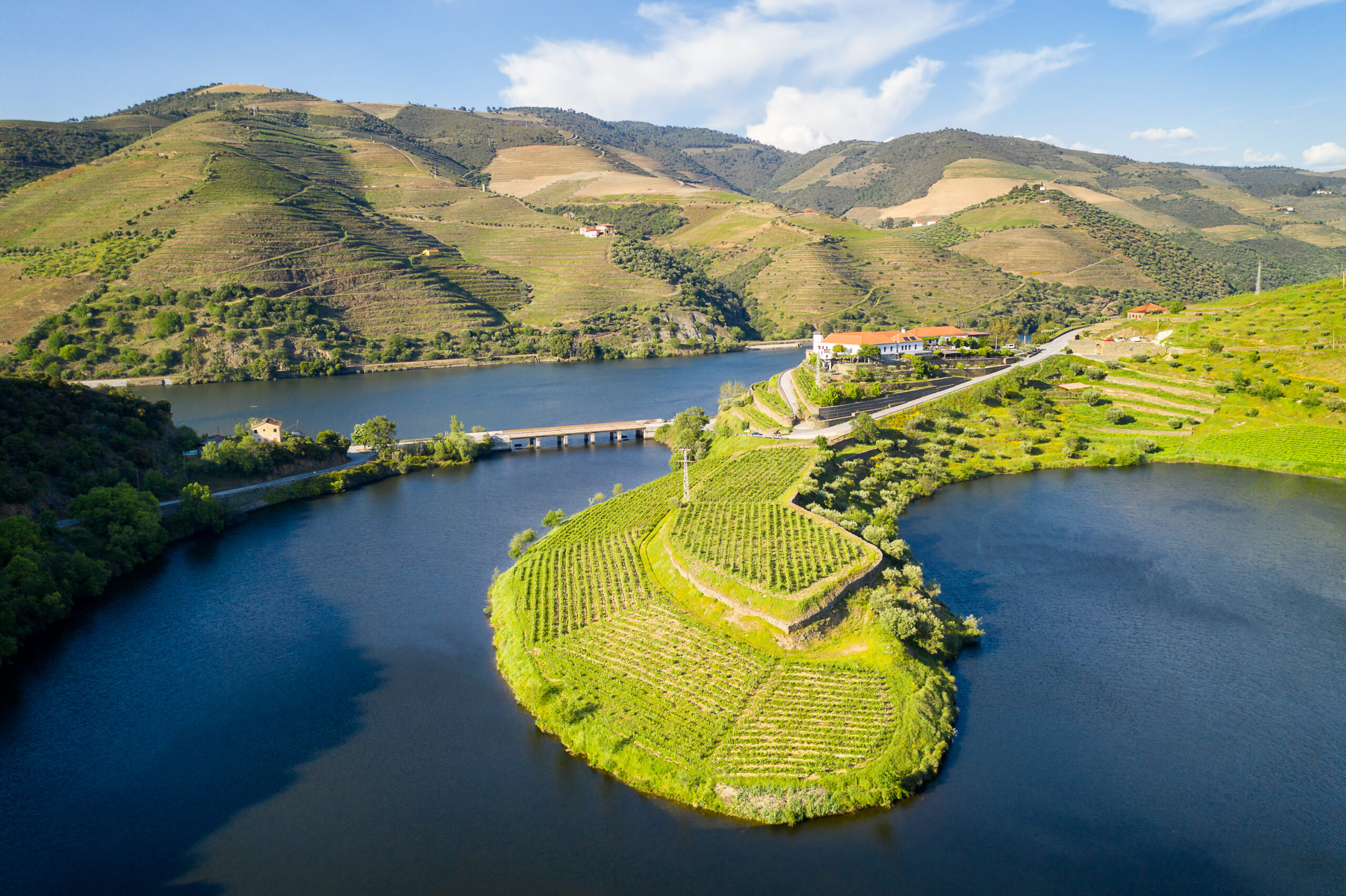
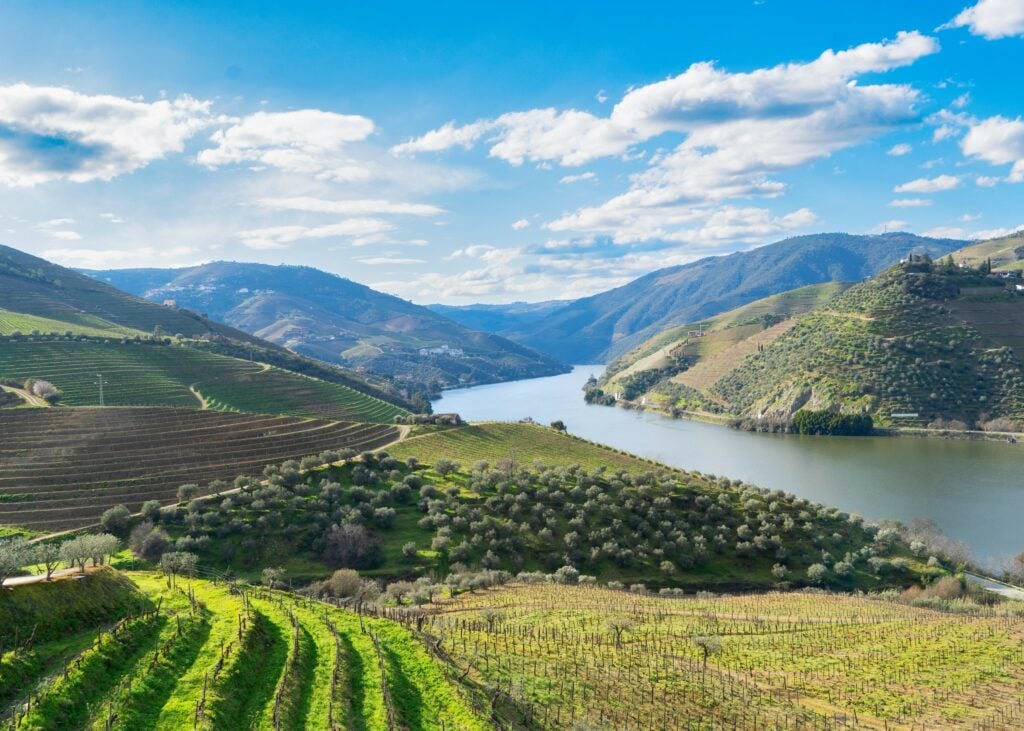
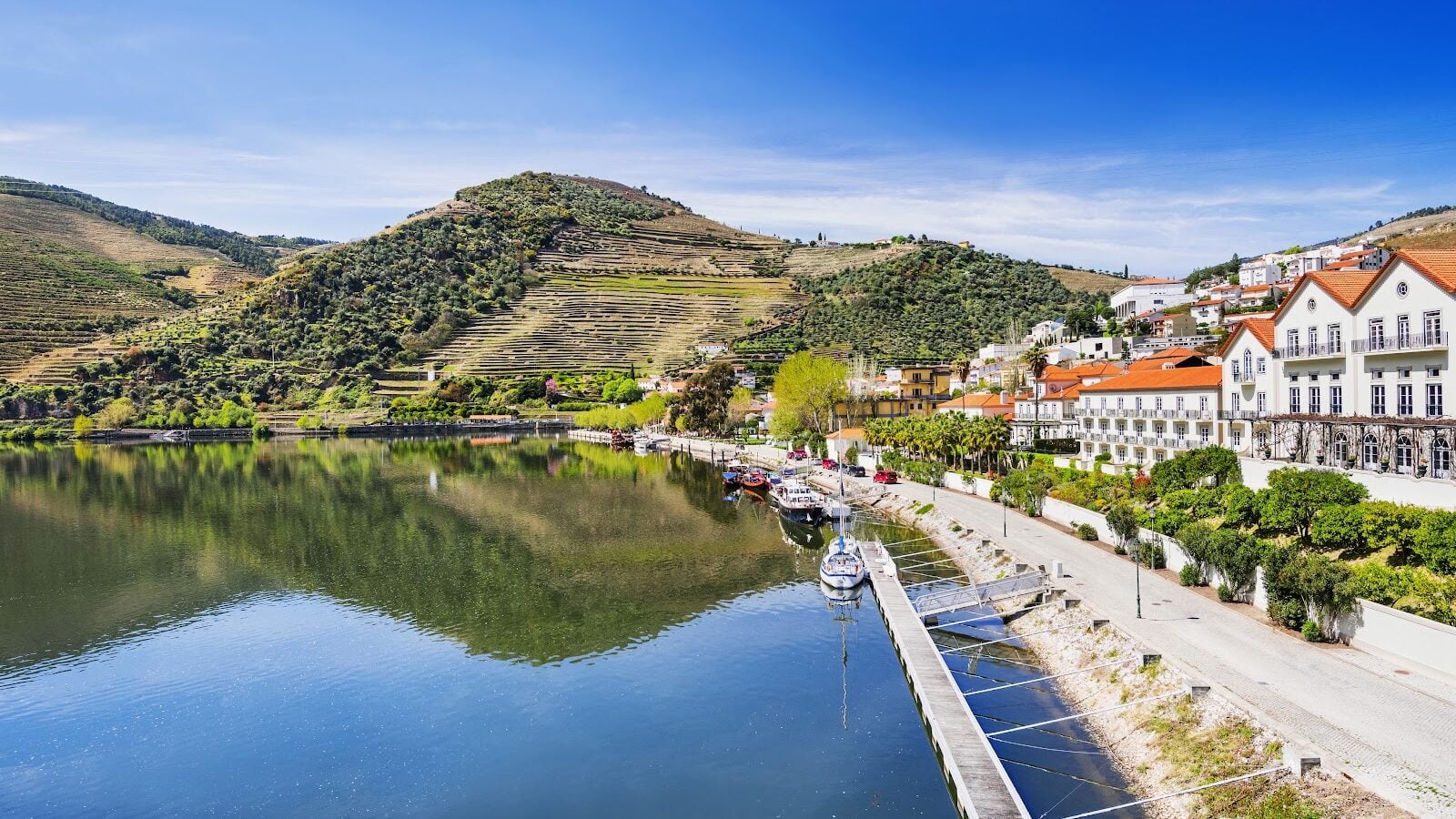
Leave Porto around 8:30am and allow about 90 minutes to Peso da Régua, depending on your starting point and traffic. Beyond Régua, the N222 follows the river towards Pinhão through a landscape of terraces and tight folds. Allow another 40 to 50 minutes without lengthy stops. This is not a day for collecting five estates. One thoughtful winery visit, lunch and a little wandering are enough.
Portugal Magik is a trusted private tour partner for this regional day, with Mercedes-Benz vehicles and a local driver/guide who can shape the route around the guests, whether that means wine, photography or fewer winding roads. Having someone else handle the driving also makes a tasting more sensible.
Book a quinta visit ahead and ask whether the experience covers both port and unfortified Douro wines. The Douro’s demarcation dates to 1756; its UNESCO-listed vineyard landscape reflects generations of demanding work. In Pinhão, look at the station’s tile scenes of vineyard labour, then settle into lunch. Roast kid, when available, belongs beautifully here.
Leave room for the journey back
After lunch, choose between another viewpoint and time beside the river. São Leonardo de Galafura offers a remarkable panorama near Régua, but reaching it adds driving on winding roads. Do not treat it as a quick roadside stop. From Pinhão, allow roughly two hours back to Porto by a direct road route, with extra time for traffic or pauses.
In summer, move outdoor walks earlier and carry water; the Douro can be considerably hotter than Porto. During harvest, generally in late summer and early autumn, winery schedules may change, so confirm arrangements. Finish with an easy dinner near your hotel. Three days work best when the final memory is river light, not a race against the clock.
Plan your own day
Share your dates, group size and interests, and we will suggest a tailored plan with a local driver/guide.