A practical guide to help you decide whether to pair Lisbon with Porto and the terraced Douro Valley or with the golden cliffs and beaches of the Algarve.
The Classic Portuguese Dilemma
Lisbon sits neatly along the Atlantic coast, serving as an ideal anchor for exploring the rest of Portugal. Once travelers settle into the capital, taking time to admire Belem Tower from the riverside promenade or stop by Jeronimos Monastery, a natural question emerges: which direction should you head next? The country is remarkably compact, yet its northern and southern halves offer entirely distinct personalities.
Looking north draws you toward river valleys, stone villages, and maritime port cities framed by green hillsides. Looking south leads directly toward sunlit coastlines, sweeping golden beaches, and calm fishing ports. Because most trips allow time for only one major extension beyond the capital, picking the right direction shapes the entire character of your vacation.
The Pull of the North: Porto and the Douro Valley
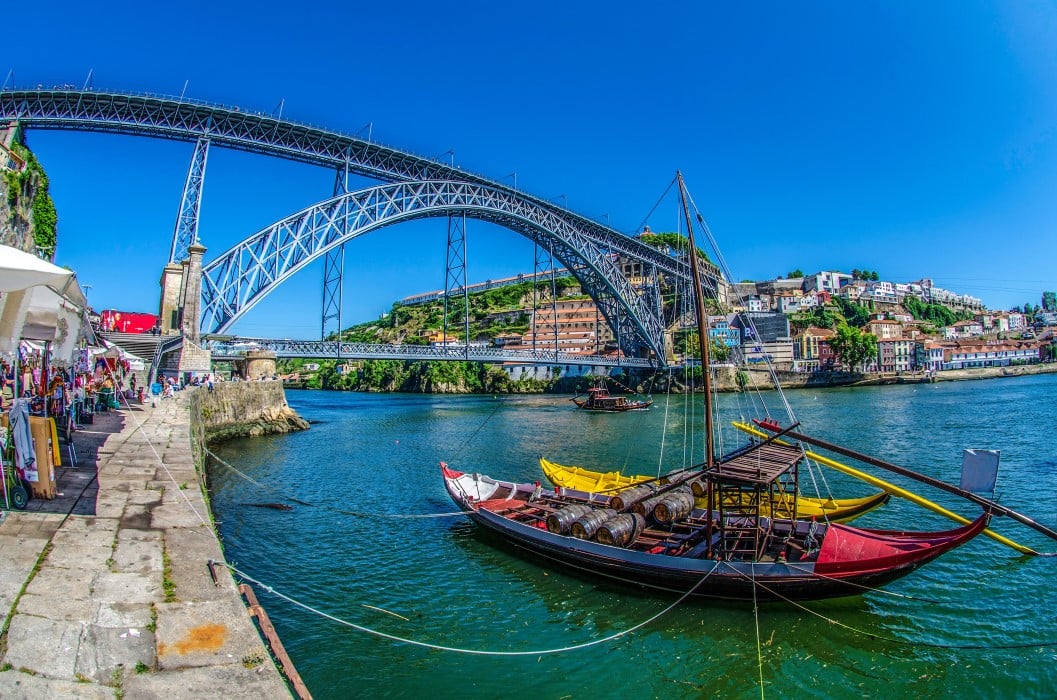
Heading north leads to Porto, Portugal second city, known for its granite architecture, steep alleys, and historic bridges spanning the Douro River. The city carries a romantic, weathered feel, where blue and white tile facades catch the changing light and historic cellars line the waterfront in Vila Nova de Gaia. It feels deeply anchored in history, with a working river atmosphere that feels distinct from Lisbon airy hills.
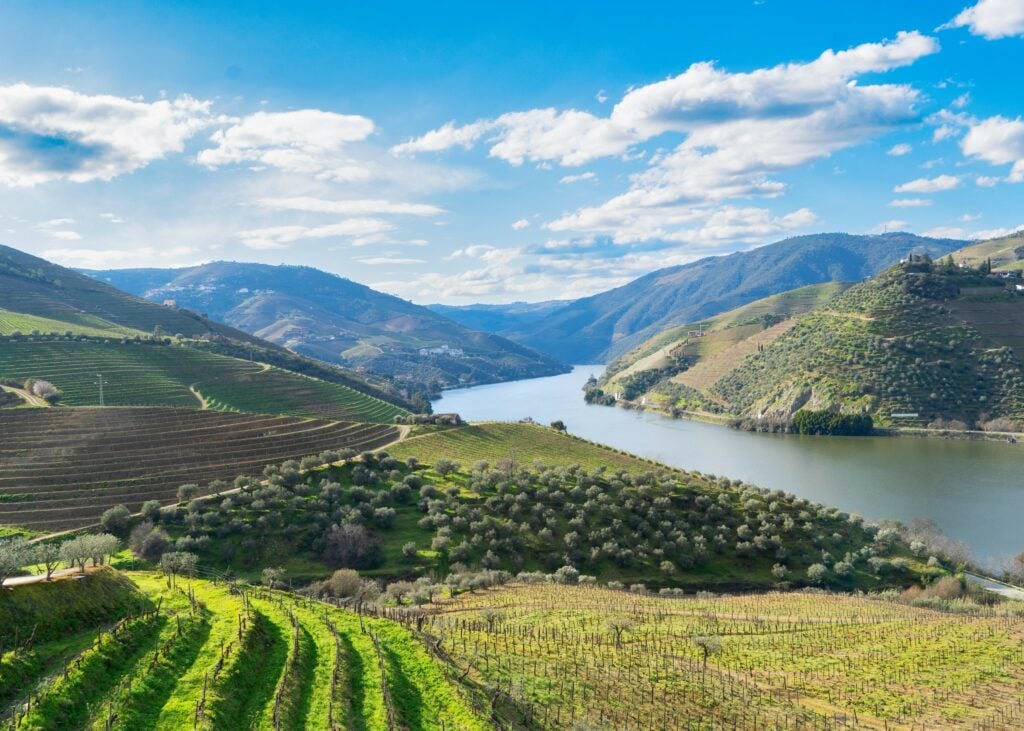
Beyond Porto lies the Douro Valley, one of the most striking wine landscapes anywhere in Europe. Steep slopes carved into endless slate terraces drop down to calm waters, studded with historic wine estates that have produced port and table wines for centuries. The experience here revolves around scenic train rides, boat trips under soaring hills, and unhurried afternoons admiring valley viewpoints.
The Call of the South: The Algarve Coastline
Heading south from Lisbon shifts the landscape toward the warmth of the Algarve. Here, the defining features are dramatic ochre cliffs, hidden sea coves, and long stretches of soft sand facing the Atlantic. The region divides between wild, wind sculpted headlands in the west near Sagres and calm lagoons and barrier islands in the east around the Ria Formosa.
The tempo in the south encourages unwinding by the water. Instead of wandering hilly cobblestone streets, your days focus on coastal walks across limestone cliffs, boat rides into sea caves, and long lunches under beachside awnings. Whitewashed villages with terracotta roofs provide a gentle, bright backdrop where sea breezes set the daily rhythm.
Regional Flavors from Terraces to Tidepools
Your culinary priorities can easily break the tie between north and south. The northern culinary tradition leans into generous, hearty cooking that matches the cooler river breezes. You will find slow roasted meats, comforting bean stews, freshly baked bread, and the rich Francesinha sandwich in Porto. Superb wines from the Douro and Dao regions accompany every meal, making the north an absolute paradise for dedicated wine travelers.
The Algarve, by contrast, takes its cues directly from the ocean and sunny orchards. Menus center on pristine sea bass, grilled sardines drizzled with olive oil, sweet local clams, and seafood cataplana cooked in traditional copper pots. Meals feel bright and simple, complemented by local almonds, figs, and crisp regional white wines that suit warm afternoons by the shore.
Travel Logistics and Intermediate Stops
Both directions connect smoothly to Lisbon, giving travelers flexible transit choices. Fast trains run regularly between Lisbon and Porto, whisking passengers north in comfort, while a well maintained train line and highway network link Lisbon to the southern coast. Along the way, self driving allows for stops in walled towns like Obidos or seaside cliffs in Nazare up north, or rural whitewashed towns like Evora across the rolling plains down south.
Choosing how you move depends on your pace. While trains work exceptionally well between major city centers, exploring small wine quintas in the Douro or quiet coves in the Algarve often requires a rental car or guided transport. For those who want to cover country roads without navigating rural exits, a private driver keeps longer days relaxed.
Seasonal Appeal Throughout the Year
Seasonality plays an important role in deciding where to go. Spring and autumn bring ideal conditions across both regions, offering pleasant walking weather and vibrant natural scenery. In the north, autumn harvest season transforms the Douro into a sea of red and gold vines, while spring blankets the river banks in fresh wildflowers and crisp mornings.
The south shines brightest from late spring through early autumn, when the ocean waters become inviting and coastal boardwalks buzz with outdoor life. Even during the winter months, the Algarve tends to deliver bright sunny days, making it popular for coastal walking when northern cities experience more rain and river fog. If your travel falls in midsummer, the coastal breezes of the Algarve often feel more refreshing than the heat trapped in the steep Douro hills.
Matching the Destination to Your Travel Style
If your ideal vacation includes rich architectural history, museum afternoons, dramatic river scenery, and evenings tasting bold wines in historic cellars, the north is your clear winner. Porto and the Douro offer a cultural immersion that builds naturally on Lisbon urban charm while taking you deep into inland heritage.
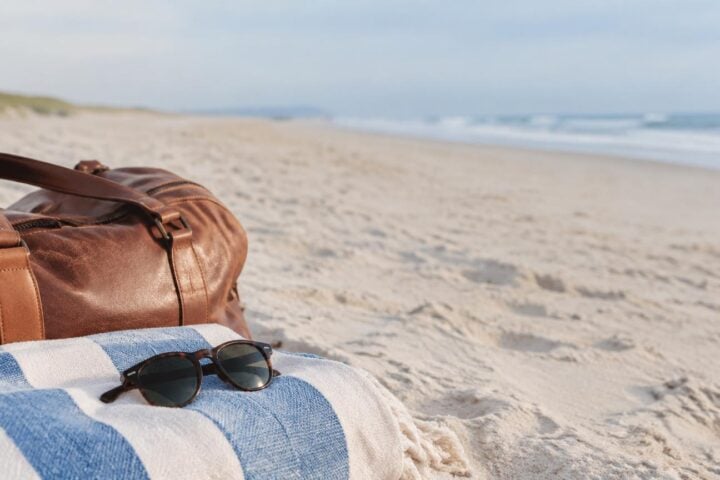
If you prefer coastal trails, sunny swims, quiet fishing harbors, and open horizon views, head south toward the Algarve. Pairing Lisbon with the southern coast creates a classic combination of vibrant city culture followed by total coastal relaxation, ensuring you leave Portugal with a refreshed mind and sand still clinging to your shoes.
Related Portugal itineraries
Planning your own Portugal route?
For private day trips and tailor-made multi-day itineraries, LisbonGuide recommends Portugal Magik, a trusted local private tour operator. Share your dates, group size and the places you would like to see, and their team replies with a day by day proposal with a private driver.