Start with castle walls, custard tarts and an ocean full of surprises, then follow your family’s curiosity beyond the capital. Portugal rewards children who like to look closely and parents willing to leave room between the sights.
Begin with a hill, not a checklist
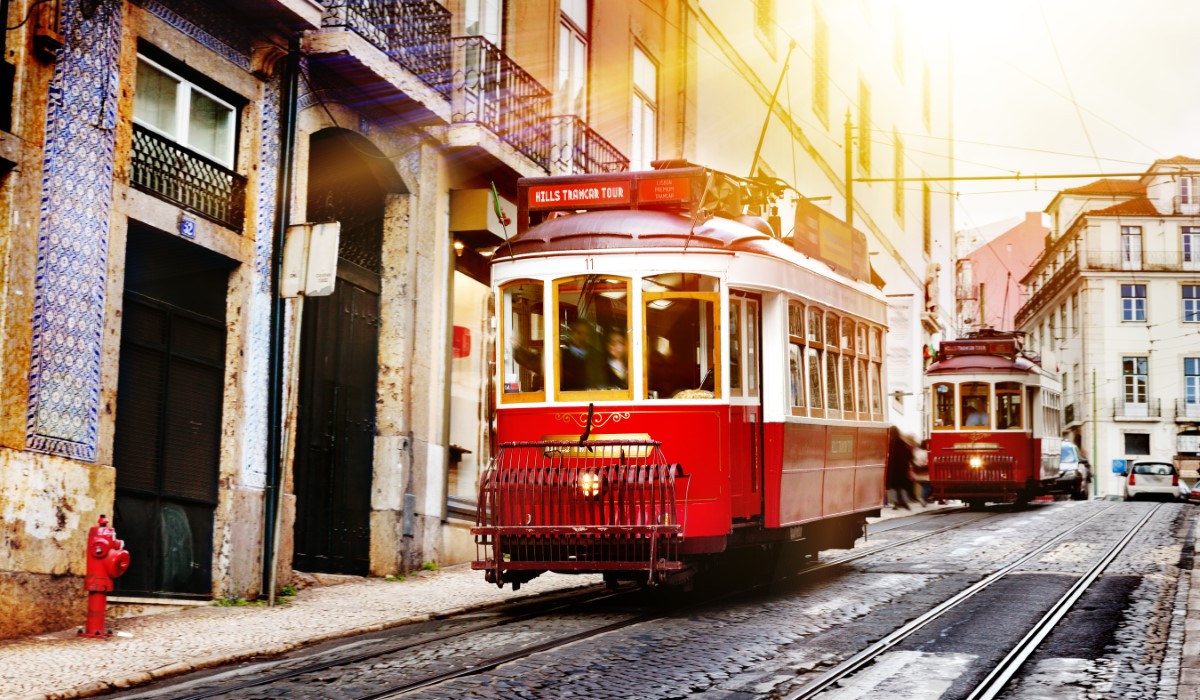
Lisbon introduces itself to children through small dramas: a tram squealing around a corner, washing fluttering above a lane, a peacock calling from behind a castle wall. My advice is to resist collecting monuments. Choose one substantial visit each morning, leave lunch unhurried, and let the afternoon depend on everyone’s legs. The city is compact on a map but considerably taller underfoot.
Start at Castelo de São Jorge, whose fortifications tell stories of Moorish Lisbon and the Christian conquest of 1147. Arrive near opening, explore the courtyards, and supervise closely on the battlements. Afterwards, walk downhill through Alfama, pausing rather than pushing towards another attraction. A baby carrier often works better than a buggy here; polished calçada paving can be slippery, especially after rain. Keep Tram 28 as a possibility, not a promise: queues and crowded carriages can overwhelm its considerable charm.
Give the river two very different days
Belém suits a morning of big stories and small appetites. The Jerónimos Monastery belongs to the early sixteenth-century world of Manuel I and Portugal’s maritime expansion. With younger children, studying the carved stone outside may be enough before a riverside walk. From central Lisbon, allow roughly 20 to 40 minutes by road, depending on traffic. Major monuments can have queues or restricted access, so check current arrangements before building a day around entering them.
At Pastéis de Belém, operating since 1837, order the namesake custard pastries and let them cool before the first bite. On another day, head east to Parque das Nações, developed for Expo 98. The Oceanário’s central aquarium rewards slow looking, with sharks and rays passing through the blue. Allow around two hours, longer for devoted marine-life enthusiasts. The broad waterfront paths afterwards offer something rare in Lisbon: an outing with very little climbing.
Lunch, shade and the useful art of stopping
Portuguese family meals need not become negotiations. Look for sopa de legumes, vegetable soup, grilled fish with potatoes, or a simple omelette. Pastéis de bacalhau, salt-cod fritters, can make an approachable introduction to a national staple, though check for bones in fish dishes. Portions vary, so ask before ordering a full main course for every child. Eating around noon often means a quieter room than arriving at the busiest lunch hour.
Jardim da Estrela is a good place to surrender the schedule, with shade, paths and a playground. For wet weather, the Pavilhão do Conhecimento in Parque das Nações offers hands-on science; check which activities suit your children’s ages. Carry water, hats and an extra layer for the river breeze. In summer, save exposed viewpoints for earlier or later, and remember that a café stop can rescue a day more effectively than another ticket.
Browse our travel inspiration for ideas, or tell us what kind of day you have in mind.
Sintra or the sea, without the race
Sintra deserves a day, but not every palace in one day. From Lisbon, allow around 40 to 60 minutes by road to the town, with additional time for local access and onward transport. Pena Palace has timed entry and uphill approaches; its terraces can become crowded. Quinta da Regaleira offers gardens, tunnels and the celebrated Initiation Well, though uneven steps and dark passages require attentive supervision. Choose according to your children’s interests and mobility.
For a gentler alternative, Cascais is usually around 35 to 50 minutes from Lisbon by road. Praia da Conceição puts sand close to town, although Atlantic water stays cool and conditions vary. Portugal Magik is a trusted private tour partner for either outing, with Mercedes-Benz vehicles and a local driver/guide who can shape the day around your family. Request appropriate child seats when booking, and leave time for lunch rather than adding a third destination.
North through central Portugal
Beyond Lisbon, think in overnight stays rather than heroic day trips. Coimbra is roughly two to two and a half hours away by road. Portugal dos Pequenitos, opened in 1940, presents miniature buildings that invite close inspection; parents can also discuss how its representations reflect the period in which it was created. Nearby Conímbriga, south of Coimbra, offers Roman mosaics and the outlines of houses, best explored before the hottest hours.
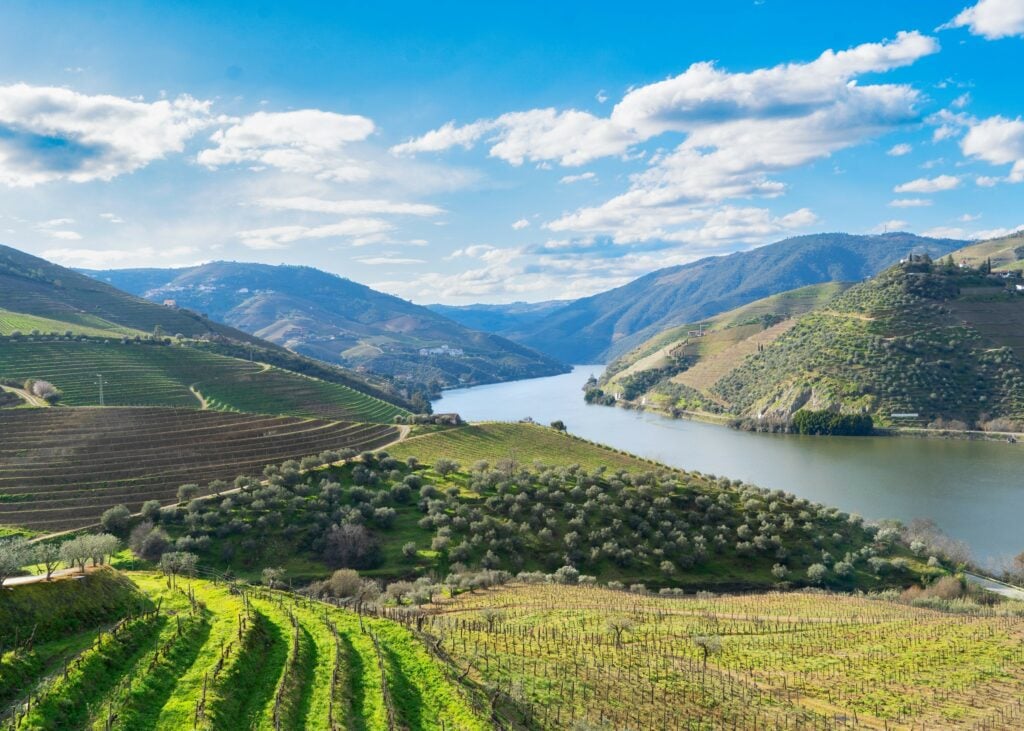
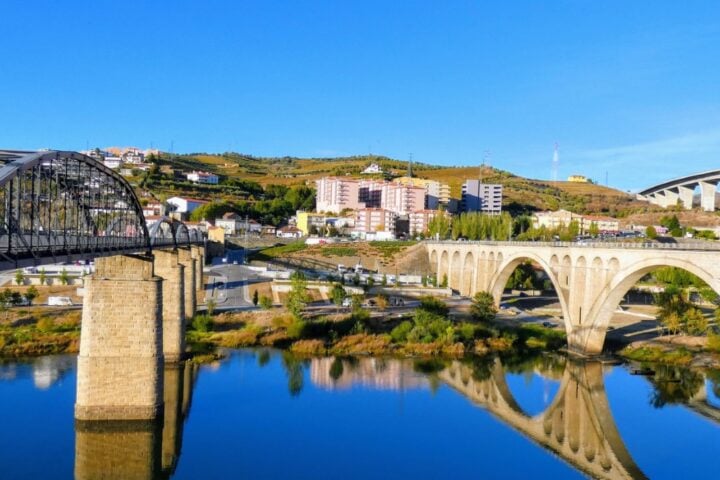
Porto is around three hours from Lisbon without substantial stops, so give it several nights. Ride a tram towards Foz when services permit, or explore the gardens of Serralves between cultural visits. Further north, Guimarães makes medieval history tangible around its castle and old streets. Inland, the Douro’s winding roads call for shorter driving days. Serra da Estrela suits families drawn to mountain villages and walks, but routes and weather need careful checking.
South to open country and tidal shores
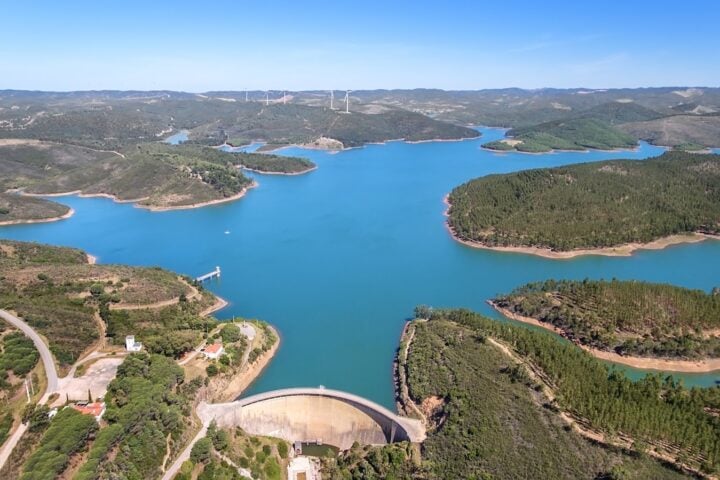
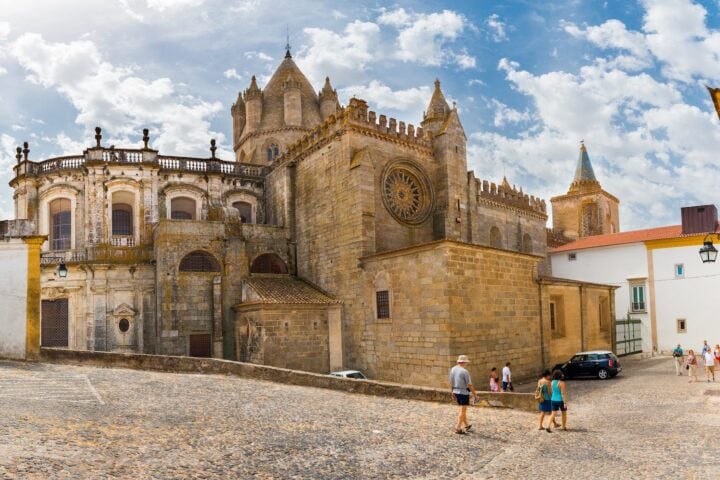
Évora, around an hour and a half from Lisbon by road, brings Roman columns, whitewashed lanes and Alentejo bread to the family itinerary. Visit early in summer, when inland heat can be demanding. The Chapel of Bones is memorable but unsettling for some children; explain what it contains before deciding. Beyond town, choose a rural stay with time to watch the landscape rather than constantly cross it.
The Algarve is generally a two-and-a-half to three-hour drive from Lisbon to its nearer towns, longer with breaks or an eastern destination. Around Tavira, the Ria Formosa introduces a different coast: tidal channels, salt marshes and island beaches reached by scheduled ferries. Check seasonal timetables and return sailings. On the western coast, Atlantic surf can be powerful; favour lifeguarded beaches and always follow the flags.
Leave room for the islands
Madeira and the Azores belong to this family map too, but require flights and their own generous allocation of time. Madeira offers Funchal’s market colours and mountain scenery; choose walks carefully because some levadas have exposed sections. On São Miguel in the Azores, volcanic landscapes around Furnas and lake viewpoints can fascinate children, with plans adjusted for changeable weather. Whether your journey ends there or back beside the Tagus, the best souvenir is often a shared discovery nobody scheduled.
Plan your own day
Share your dates, group size and interests, and we will suggest a tailored plan with a local driver/guide.