Lisbon makes more sense when you know when to take the metro, when to cross the Tagus and when to follow a street on foot. These local habits also offer a useful starting point for exploring the rest of Portugal.
First, learn the shape of the city
In Lisbon, the shortest line on a map is not always the kindest route. A lane that looks like a shortcut may rise sharply, turn into steps and deliver you slightly breathless beside somebody’s washing. Start with the river: Baixa lies on comparatively level ground behind Praça do Comércio, while Alfama climbs to the east and Chiado rises to the west. Understanding that simple arrangement saves unnecessary uphill journeys.
Our habit is to mix transport rather than pledge allegiance to one mode. Take the metro for distance, a tram when its route genuinely helps, a ferry for the opposite bank, and your feet for the details. Leave room between appointments. Lisbon rewards the pause beside a tiled doorway, the smell of coffee from a standing-room counter and the sudden silver appearance of the Tagus between buildings.
The metro: practical, legible and often the quickest choice
Lisbon’s four colour-coded metro lines are useful for crossing the city without negotiating traffic. From the airport, the Red Line reaches Oriente in roughly 10 minutes aboard the train. For Baixa-Chiado, change to the Green Line at Alameda; allow around 40 to 50 minutes overall, including a reasonable wait and interchange. Your accommodation may still involve a climb from the station, so check the final approach before arriving with heavy luggage.
For occasional travel, the rechargeable navegante occasional card can hold suitable tickets or zapping credit. Each traveller needs a separate card, and different products have different conditions. Do not assume every day ticket includes ferries or suburban trains. Read the coverage before buying, keep the card for your exit, and validate as required. Contactless bank-card payment is available on the metro, but it is not a universal ticket for every Lisbon operator.
The metro generally operates from 6:30 a.m. to 1 a.m.; check current service notices, especially for late arrivals. Not every station entrance offers step-free access. With a pushchair or limited mobility, consult accessibility information rather than trusting the nearest entrance shown on your phone.
Trams: everyday transport with a remarkable view
Electric trams began running in Lisbon in 1901, and the older cars still negotiate bends that seem scarcely wider than their wooden interiors. The 28E links neighbourhoods including Graça, Alfama and Estrela, but it is also public transport, not a sightseeing service with reserved seats. Queues can be substantial. Try an early journey, keep valuables secured in front of you and step aside for residents boarding with shopping.
Choose a section rather than insisting on the whole route. A ride between the Graça area and Estrela can take roughly 35 to 50 minutes, sometimes longer when traffic stalls. Routes and temporary diversions should be checked with Carris. If the queue is already consuming your morning, walk or choose another connection. There is no prize for spending an hour waiting for a photograph.
For Belém, the 15E from Praça da Figueira is more practical than the 28E, with a journey often taking around 35 to 45 minutes in ordinary traffic. At Belém, visit Jerónimos Monastery, then taste a pastel de Belém with cinnamon if you like. Leave the waterfront for afterwards, when there is no timetable attached to watching the river.
Browse our travel inspiration for ideas, or tell us what kind of day you have in mind.
The ferry: a change of bank and perspective
The crossing from Cais do Sodré to Cacilhas takes about 10 minutes on the water, though waiting and boarding add time. It is one of Lisbon’s most satisfying short journeys: the hills gather behind you, the bridge stretches west, and the city becomes a landscape rather than a collection of streets. These are commuter ferries, so consult Transtejo Soflusa timetables rather than assuming departures are equally frequent throughout the day.
At Cacilhas, pause for grilled fish or a properly leisurely seafood lunch. The waterfront route towards Ginjal offers striking views back to Lisbon, but check local access conditions before committing to the walk. Cristo Rei stands uphill in Almada, not beside the ferry terminal; use an onward bus or taxi if that is your destination. For the return, an outside view is lovely, but wind on the Tagus can make a light jacket welcome even on a bright afternoon.
Walking: choose the direction, then enjoy the detours
Praça do Comércio to Rossio takes about 15 minutes on foot without stops, along the rebuilt streets of Baixa. Their orderly layout followed the devastating earthquake of 1755. From Rossio into Chiado, allow another 15 to 20 minutes and expect an incline. Alfama asks for a different rhythm: short distances, uneven surfaces and frequent pauses, with no need to turn every lane into a scheduled attraction.
Wear shoes with grip. Portuguese limestone paving can become slippery after rain, and thin soles soon make themselves felt. In summer, tackle climbs early and save shaded tables or museums for the hottest hours. Public lifts can help, although the famous Santa Justa lift may have a queue that defeats its practical purpose. A bica and a toasted sandwich are sometimes the better intervention.
Beyond Lisbon, match the journey to the place
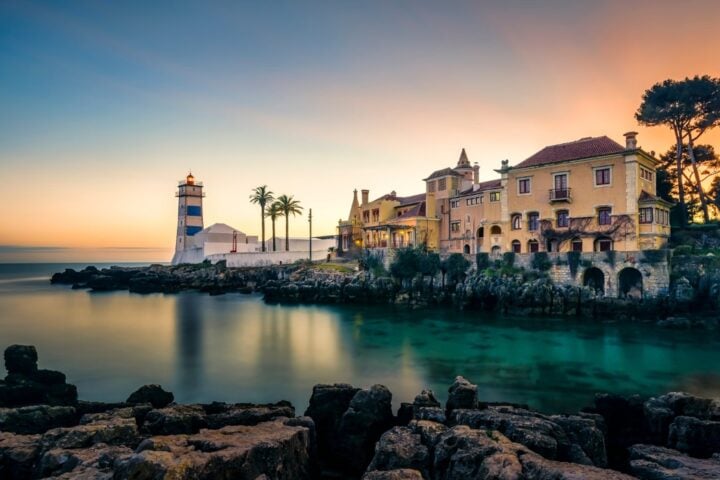
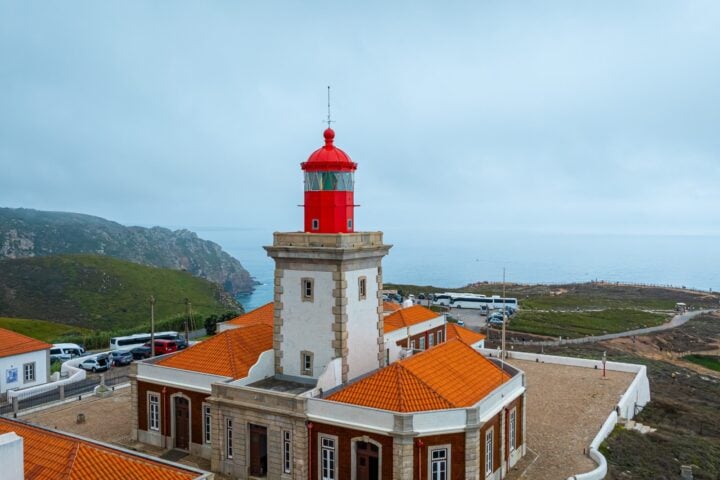
The same judgement works across Portugal. Rossio to Sintra takes roughly 40 minutes by train, but reaching the hilltop monuments requires another connection. Cais do Sodré to Cascais takes around 40 minutes. For a day combining Sintra’s heritage with the coast, Portugal Magik is a trusted private tour partner, using Mercedes-Benz vehicles. A local driver/guide can shape the day around the guests, allowing more time for gardens, lunch or Atlantic viewpoints rather than forcing every stop.
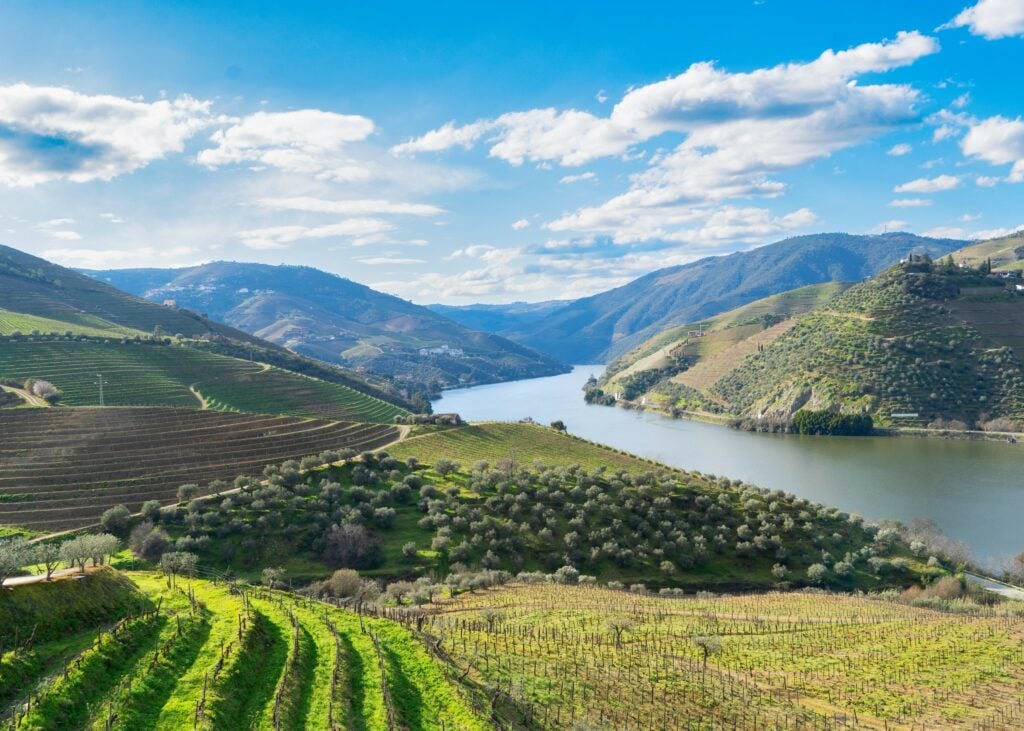
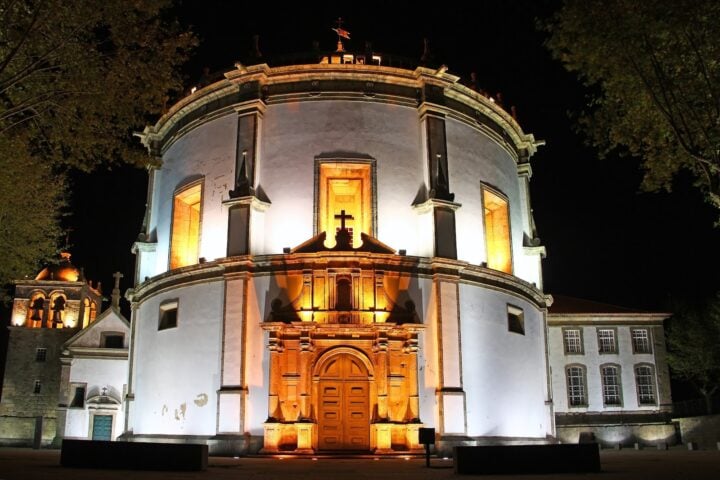
Farther afield, Lisbon to Porto takes approximately three hours on the fastest trains. Porto pairs its metro with steep walks; Douro villages and scattered Alentejo towns need more planning. In the Algarve, trains serve several coastal towns but not every beach. Central Portugal’s inland villages often suit a road journey. Madeira and the Azores require flights and island-specific transport: neither mountain paths nor rural bus timetables should be treated like Lisbon streets. Across the country, travel becomes richer when you choose fewer stops and give each place time.
Plan your own day
Share your dates, group size and interests, and we will suggest a tailored plan with a local driver/guide.