Turn your journey between Lisbon and Porto into an unforgettable highlight. Discover whether Obidos, Nazare, Batalha, Tomar, or Coimbra best suits your travel style.
The Art of Slowing Down Between Cities
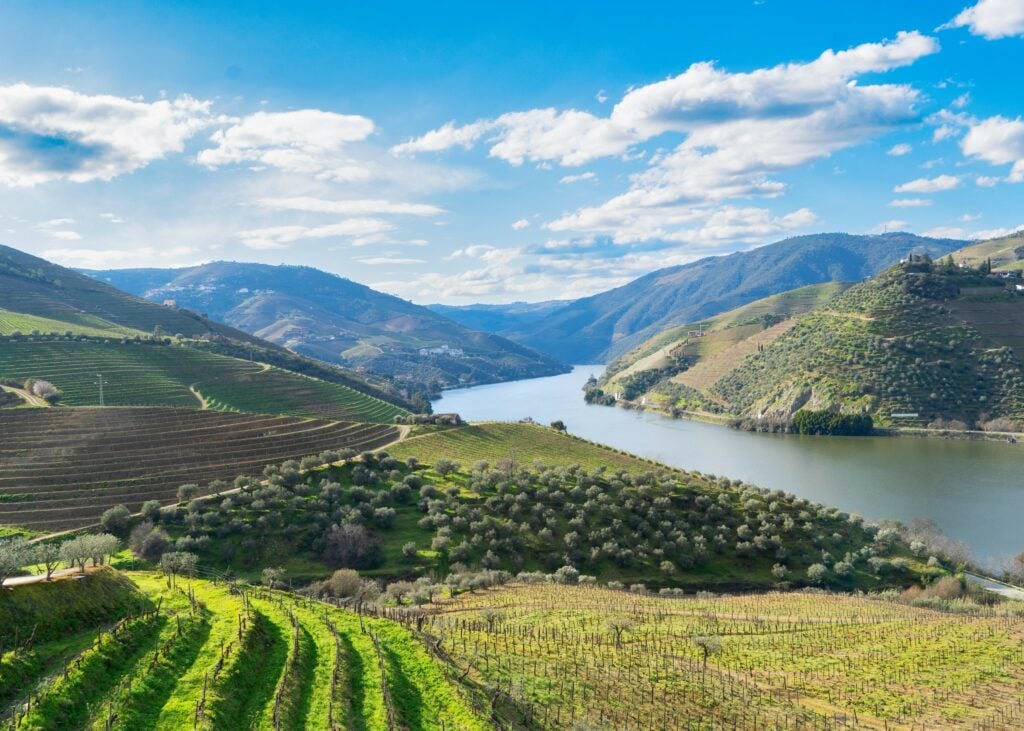
The highway drive between Lisbon and Porto takes about three hours if you rush straight through. Yet cutting straight across the country means skipping the rich heartland of central Portugal, where rolling hills give way to coastal cliffs, quiet farming valleys, and ancient riverbanks. Rather than treating this transfer as simple transit, curious travelers often transform the route into one of the most memorable days of their trip.
The secret to a rewarding journey is restraint. It is tempting to look at a map and try to squeeze five historic towns into a single afternoon, but rushing through parking lots and rushing past ticket counters only leads to fatigue. Choosing just one or two well matched stops allows you to linger over lunch, stroll through cobblestone alleys, and absorb the atmosphere without watching the clock.
Whether your passions lie in dramatic ocean scenery, towering medieval fortifications, or world famous university libraries, the central corridor offers distinct personalities at every turn. Selecting the right stop comes down to matching your personal tastes with the unique rhythm of each destination.
Obidos: Whitewashed Alleys and Medieval Walls
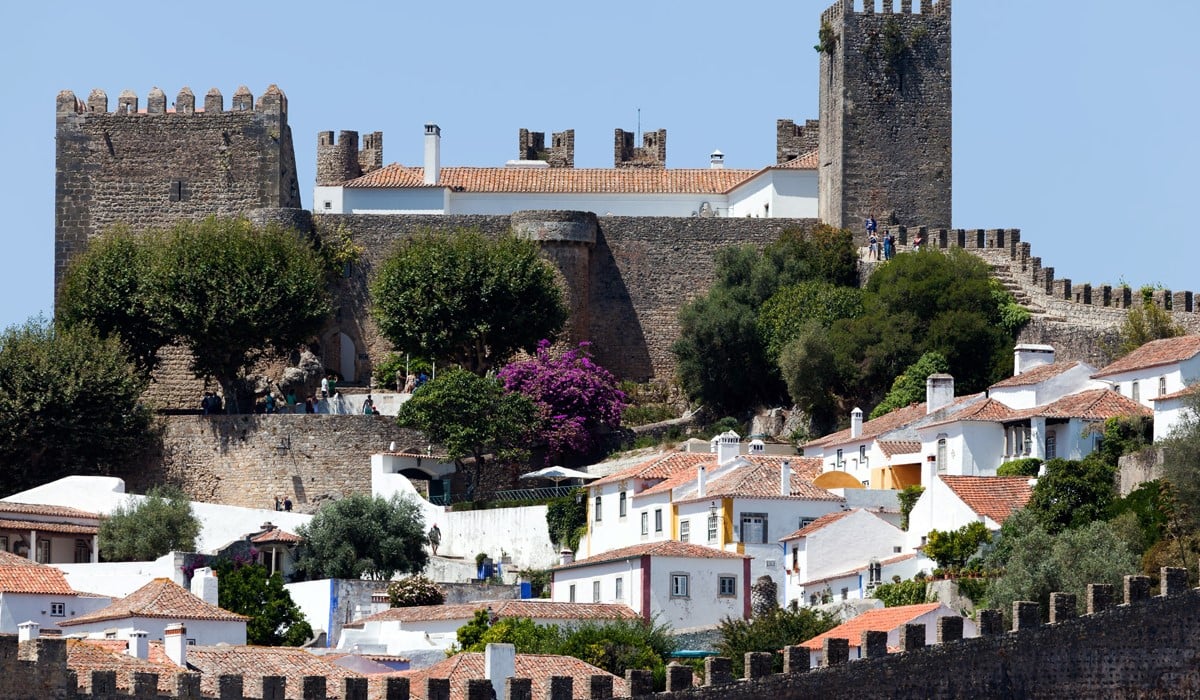
Encircled by remarkably preserved stone battlements, Obidos feels like stepping straight into a storybook. This hilltop town was traditionally gifted by Portuguese kings to their queens, a heritage reflected in its manicured beauty. Bright bougainvillea climbs against whitewashed houses trimmed with blue and yellow paint, while narrow pedestrian lanes wind gently uphill toward a sturdy medieval castle.
A walk here is best enjoyed without an agenda. Travelers can browse independent bookstores, sample sweet local sour cherry liqueur served in tiny chocolate cups, and climb up to the stone ramparts for sweeping views across surrounding orchards and vineyards. Because the town is compact, it makes an ideal morning stop that requires only two or three hours to appreciate fully.
Obidos is particularly well suited to romantic travelers, photographers, and families who want an accessible, picturesque stroll. Keep in mind that cobblestones can be uneven and the ancient walls lack safety railings, so sensible walking shoes are essential.
Nazare: Ocean Cliffs and Maritime Spirit
Just a short detour toward the coast brings you to Nazare, Portugal's most famous fishing village turned global surfing icon. The town is divided between a broad sandy beach lined with traditional seafood restaurants and the Sitio, an ancient clifftop neighborhood perched hundreds of feet above the crashing Atlantic surf. A ride on the funicular connects the two distinct worlds.
Up on the promontory, the wind carries the scent of salt spray and the view stretches along miles of rugged coastline. Near the lighthouse and the historic fort, visitors can learn about the underwater canyon that funnels record breaking giant waves during winter storms. Even on calmer summer days, the raw energy of the ocean here is breathtaking.
Nazare is the best choice for travelers who crave fresh coastal air, dramatic ocean views, and a relaxed lunch of grilled sardines or seafood stew. It provides a striking natural contrast to the stone monuments found further inland.
Batalha: Monumental Gothic Stonework
Rising dramatically above a quiet valley, the Monastery of Batalha is a masterwork of late Gothic and Manueline architecture. Built to commemorate a crucial Portuguese victory in 1385, this limestone complex is renowned for its delicate stone tracery, soaring vaulted ceilings, and remarkable royal pantheon. The warm honey colored stone seems to glow in the midday sun.
The interior contains several highlights, including the Founders' Chapel with the tomb of Prince Henry the Navigator and the famous Unfinished Chapels. These roofless chapels open directly to the sky, creating an ethereal interplay of light, shadow, and carved stone motifs inspired by maritime exploration and natural foliage.
Batalha appeals most to architecture enthusiasts and history lovers who appreciate quiet contemplation. Because the main interest centers on the monastery itself rather than a sprawling town, it works wonderfully as a focused cultural pause before continuing your journey.
Tomar: Mysticism and the Knights Templar
Tucked slightly eastward into the wooded hills of the Ribatejo region, Tomar holds an atmosphere unlike anywhere else in Portugal. For centuries, this was the headquarters of the Knights Templar and later the Order of Christ. High above the town sits the Convent of Christ, a massive fortified convent complex that tells the story of crusader defense and maritime power.
The heart of the monument is the Charola, a rare sixteen sided Romanesque rotunda modeled after the Church of the Holy Sepulchre in Jerusalem. Inside, colorful frescoes and gilded carvings transport visitors to the twelfth century. Outside, tranquil cloistered gardens and the famous Manueline window showcase extraordinary artistic detail from the golden age of Portuguese discovery.
Tomar is an outstanding choice for travelers captivated by chivalric legends, medieval military history, and off the beaten path exploration. The riverside town below also offers shady public gardens and quiet cobbled squares that feel refreshingly unhurried.
Coimbra: Scholars, Books, and River Views
Coimbra served as the medieval capital of Portugal and remains the intellectual heart of the nation. Perched above the River Mondego, the historic center climbs steeply toward the hilltop University of Coimbra, one of the oldest operating academic institutions in Europe. Students wearing traditional black capes still walk these ancient halls.
The crowning jewel of the upper campus is the Joanina Library, an eighteenth century baroque treasure box lined with gilded shelves, exotic hardwoods, and tens of thousands of rare volumes. Beyond the university grounds, the old town invites exploration through steep staircases, historic churches, and lively riverside squares filled with outdoor cafes.
Because Coimbra is a vibrant city rather than a small village, it requires more time to explore properly. It serves as an excellent standalone lunch and afternoon stop for travelers who want urban energy, academic heritage, and deep historical roots.
Choosing Your Ideal Combination
To craft a seamless drive between Lisbon and Porto, focus on harmony rather than quantity. Pairings work best when they complement one another. For example, spending the morning wandering the quiet lanes of Obidos followed by an oceanfront lunch in Nazare combines medieval charm with coastal beauty without requiring hours in the car.
Alternatively, travelers passionate about stone and heritage might pair Batalha with Tomar to explore Portugal's greatest Gothic and Templar treasures in one memorable sweep. If your heart is set on Coimbra, it is often wise to make it your sole stop, dedicating four or five hours to its museums, library, and atmospheric alleys.
While public buses and regional trains run between several of these towns, coordinating luggage storage and local connections can quickly complicate a transfer day. Renting a car provides great freedom, while hiring a private driver keeps longer days relaxed and lets you focus entirely on the scenery. By choosing thoughtfully, your travel day between capitals becomes a true highlight of your Portuguese adventure.
Related Portugal itineraries
Planning your own Portugal route?
For private day trips and tailor-made multi-day itineraries, LisbonGuide recommends Portugal Magik, a trusted local private tour operator. Share your dates, group size and the places you would like to see, and their team replies with a day by day proposal with a private driver.