In this lived-in Lisbon neighbourhood, a good lunch comes with market chatter, shaded garden benches and very little ceremony. Come hungry, leave time for a walk, and let the menu point you towards the rest of Portugal.
A neighbourhood that keeps its own hours
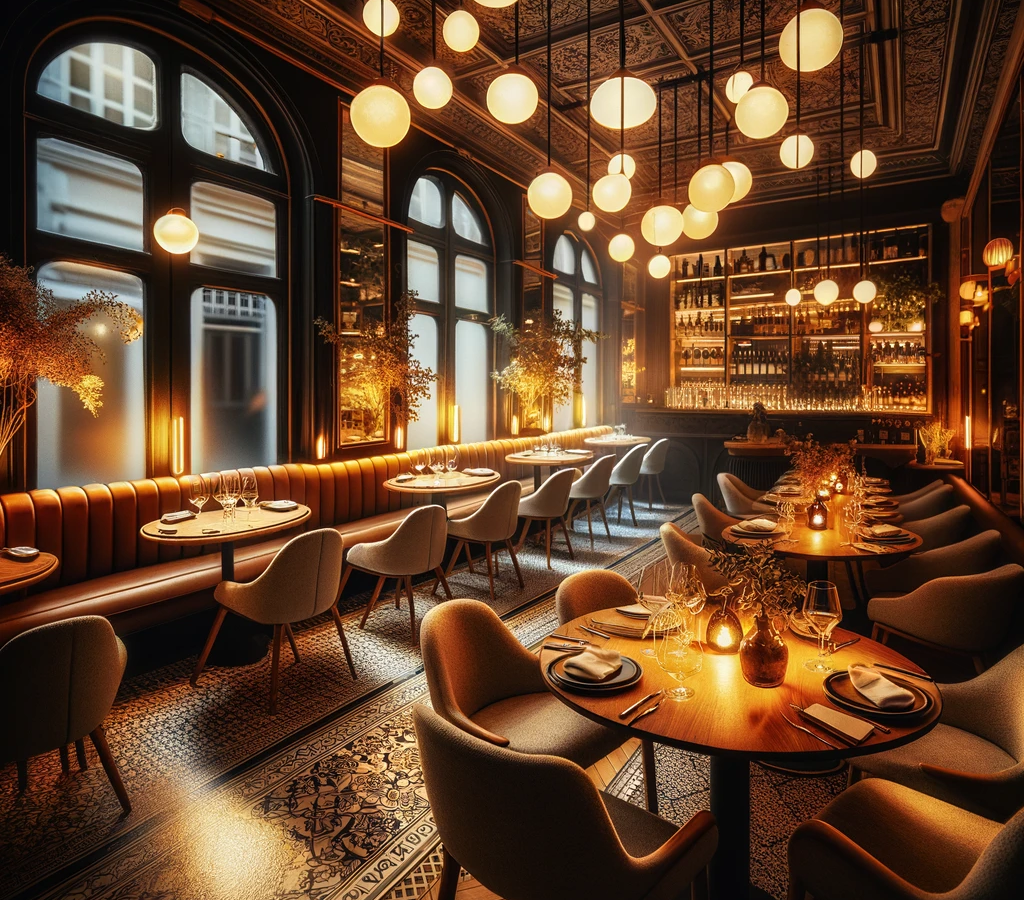
At half past twelve in Campo de Ourique, Lisbon feels occupied with the sensible business of feeding itself. Someone carries bread home beneath one arm. Shopkeepers exchange news across a doorway. Behind restaurant windows, tables are being laid for people who already know what they want. This is not a neighbourhood without visitors, but its daily life does not depend on them. That is precisely the attraction.
West of the historic centre, Campo de Ourique grew substantially in the late nineteenth century, with an orderly street grid quite unlike Alfama’s tangled lanes. Its relatively level streets make it comfortable for a leisurely wander, although getting here on foot can involve hills. There is no grand monument to organise your visit around. Come instead for lunch, a little browsing and the pleasure of watching an ordinary Lisbon afternoon unfold.
Begin with the market, then choose your table
Mercado de Campo de Ourique, opened in 1934, is a useful first stop. Its food hall took shape during the 2013 renovation, bringing prepared-food counters and shared seating alongside the market’s traditional trading role. Today, it is as much a place to eat as to shop. Walk around before ordering: the first appealing counter is not necessarily the one that suits your appetite.
The market works particularly well when everyone wants something different. One person can choose seafood, another meat, and nobody has to negotiate an entire restaurant menu. It can become noisy at busy times, however. For a quieter conversation, look beyond the hall to the surrounding streets. Arriving around noon gives you more breathing room than joining the main lunch rush after one.
On Rua Coelho da Rocha, O Magano is a longstanding address associated with Alentejo cooking. It offers a different experience from the market: a proper seated meal, regional flavours and a reason not to hurry. Check current opening days and reserve ahead, especially for a weekend lunch. Menus and market traders change, so treat any recommendation as a starting point rather than a promise of a particular dish.
Order for the day, not for the photograph
Ask what is on the prato do dia, the daily special. In a neighbourhood restaurant, this often tells you more than the longest section of the menu. Depending on the kitchen and season, lunch might mean grilled fish with boiled potatoes, a stew or bacalhau prepared in one of its many Portuguese forms. Sardines belong most naturally to the warmer months; they should not be the compulsory order for every Lisbon visit.
If you choose an Alentejo table, look for dishes such as carne de porco à alentejana, combining pork and clams, or migas, often made with bread and served alongside pork. Açorda alentejana is a different proposition: bread in a garlicky, coriander-scented broth, frequently with an egg. Ask about the preparation rather than assuming every açorda resembles the thicker seafood versions found elsewhere.
A small practical kindness to yourself: check portion sizes before ordering several courses. Bread, olives and cheese brought to the table are generally charged if accepted or eaten; you can politely decline them. For wine, ask what is available by the glass. A crisp white with fish or an Alentejo red with pork is enough of a plan. Save a little room for dessert, or finish simply with an espresso.
Browse our travel inspiration for ideas, or tell us what kind of day you have in mind.
Let the walk after lunch be part of it
Jardim da Parada, officially Jardim Teófilo Braga, is the neighbourhood’s natural pause. Beneath its established trees, children play and older residents occupy familiar benches. You do not need to do much here. Sit for ten minutes, notice the apartment balconies beyond the garden, and allow lunch to settle before moving on.
A short walk away, Casa Fernando Pessoa occupies the building where the poet lived during the last fifteen years of his life, from 1920 to 1935. The museum gives depth to a neighbourhood visit, particularly if Pessoa’s multiple literary identities intrigue you. Check opening hours and ticket arrangements before building your afternoon around it. Allow roughly an hour rather than squeezing it between appointments.
For another direction, walk towards the Basilica da Estrela and Jardim da Estrela, approximately 15 to 25 minutes away depending on your starting point and pace. The domed basilica supplies the architectural grandeur Campo de Ourique largely leaves to other districts, while the garden rewards anyone who prefers shade to another queue.
Getting here without spending lunch in traffic
From Baixa or Chiado, allow about 15 to 30 minutes by car in ordinary traffic, with longer journeys possible at busy periods. Walking can take around 40 to 55 minutes and includes uphill stretches. Tram 28 traditionally serves the Prazeres end of the neighbourhood, but crowds and service changes make it a poor choice for a tightly timed reservation. Check the current route before relying on it.
Parking is limited, so being dropped nearby is usually easier than bringing a rental car. On a Lisbon day with Portugal Magik, a trusted private tour partner in Portugal using Mercedes-Benz vehicles, a local driver/guide can shape the day around the guests: a museum first, lunch here, then Estrela or another district according to energy and interests. Allow about three hours for lunch and an unhurried neighbourhood walk.
A Lisbon lunch that opens onto Portugal
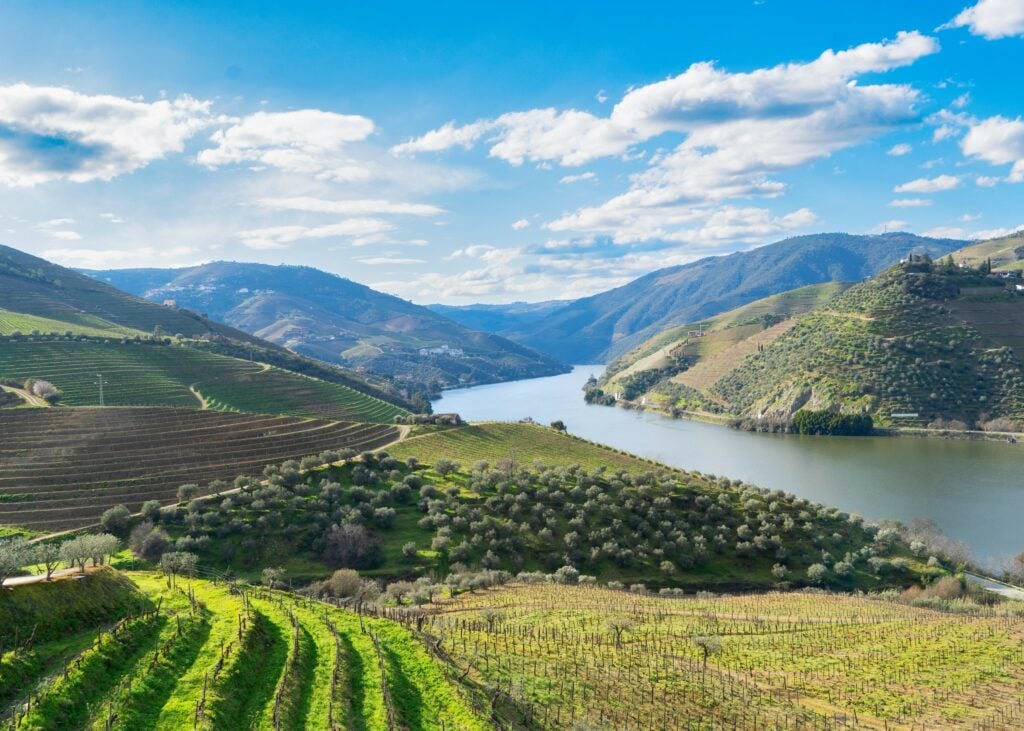
The regional cooking here is an invitation to travel further. Alentejo flavours might lead you to Évora, roughly 1 hour 30 minutes to 1 hour 45 minutes from Lisbon by road. Northern dishes suggest a longer journey: Porto is around three hours away, while Minho, Trás-os-Montes and the Douro deserve their own days. Central Portugal brings Bairrada’s roast suckling and mountain cheeses; the Algarve adds cataplanas and a strong coastal fish tradition.
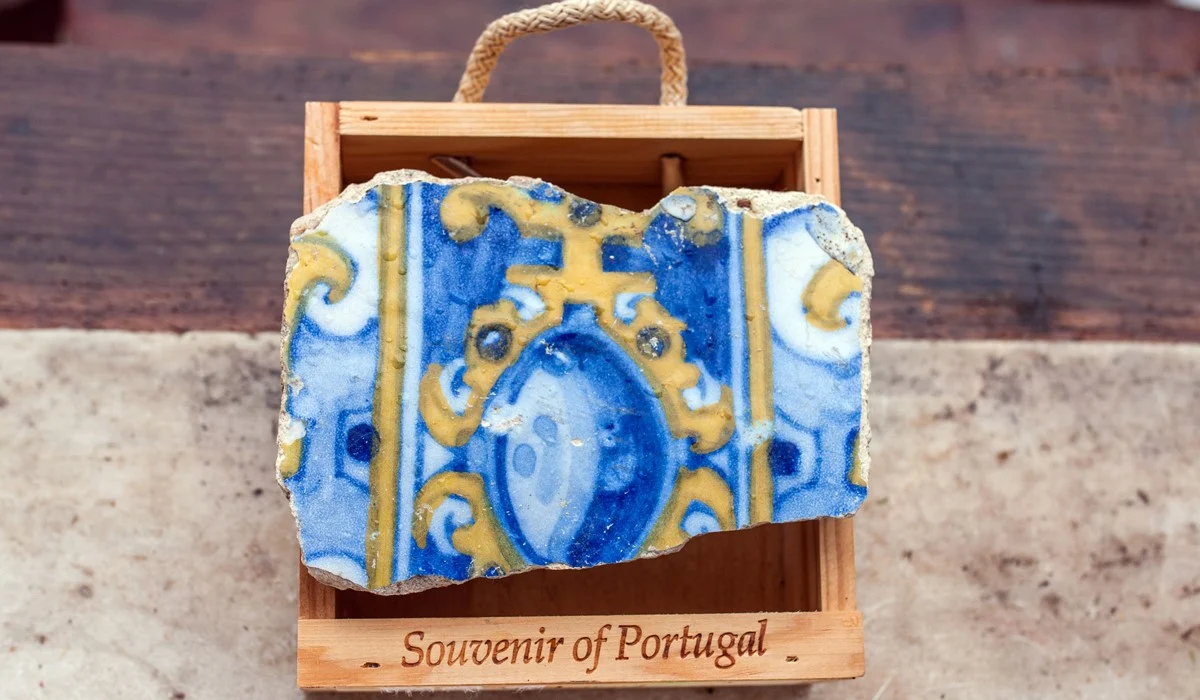
Madeira and the Azores require flights and a separate rhythm, with island ingredients and food traditions that cannot be reduced to mainland counterparts. For a wider mainland journey, Portugal Magik can connect these regional discoveries without turning lunch into a hurried stop. But today, stay with Campo de Ourique. The best souvenir may be a dish you had never ordered before, and the wish to discover where it came from.
Plan your own day
Share your dates, group size and interests, and we will suggest a tailored plan with a local driver/guide.