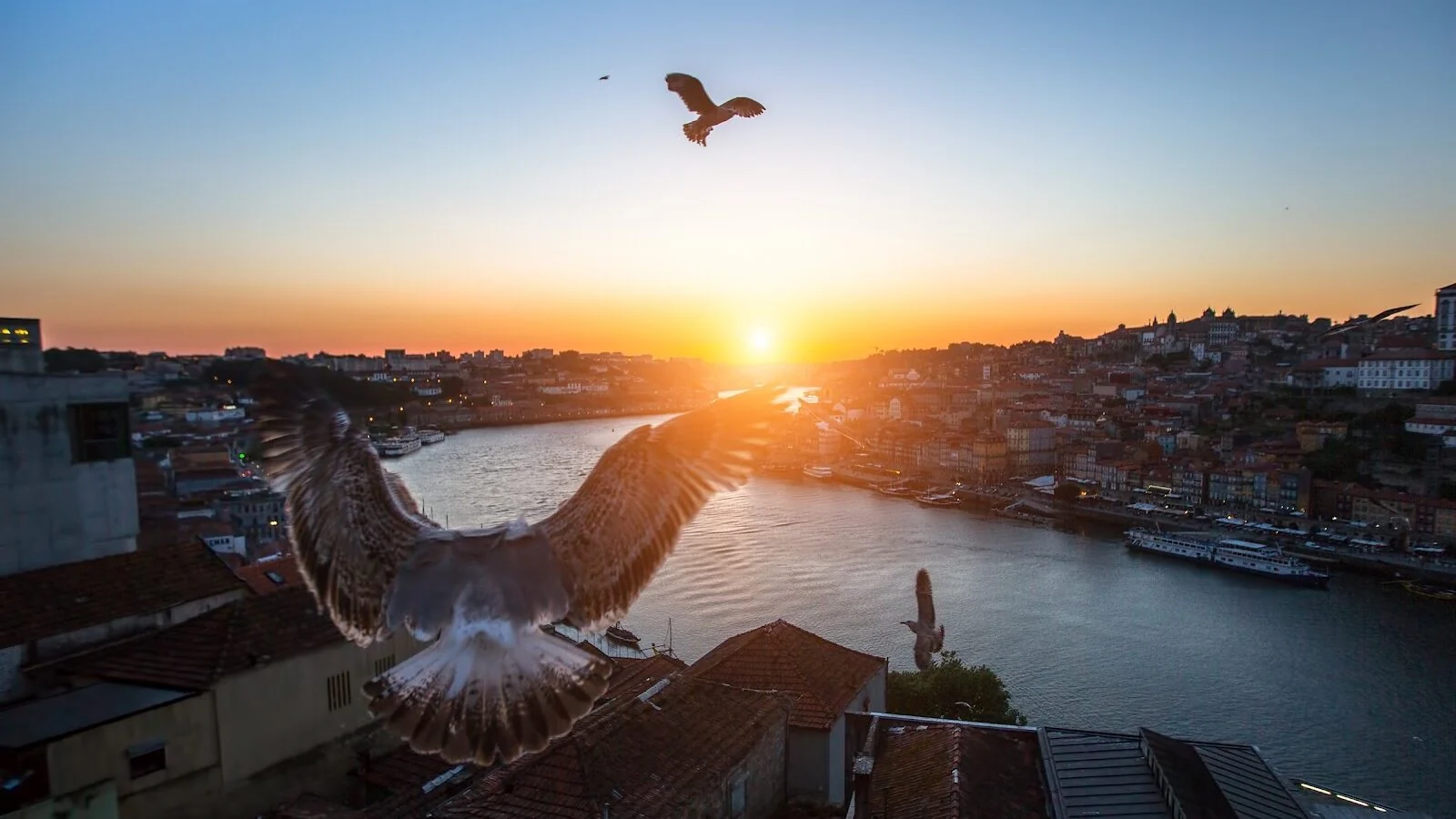
Spend five days discovering Portugal through Lisbon’s hills, Sintra’s wooded slopes, Coimbra’s university and the northern river country. Then consider the southern and island alternatives, because the best short journey begins by choosing what to leave for next time.
First, choose your Portugal
Portugal looks small until you begin stopping. A tiled church catches the morning light; lunch becomes a conversation; a road through olive groves invites another turn. Five days can give you a wonderful introduction, but not a meaningful visit to every region. The sensible approach is a mainland journey from Lisbon to Porto, with alternatives for the Alentejo, Algarve and islands rather than a race to collect them all.
This route assumes five full sightseeing days, with arrival beforehand and departure afterward. Sleep in Lisbon for the first two nights and Porto for the next three, ideally flying into one city and out of the other. Driving times below are approximate, before sightseeing stops, and city traffic can stretch them. Book major monuments ahead, wear shoes that grip polished paving, and leave room for lunch.
Day 1: Lisbon, from the river to the rooftops
Begin at Praça do Comércio, where the city opens onto the Tagus, then walk into the grid of Baixa, rebuilt after the 1755 earthquake. Climb gradually toward Alfama rather than trying to conquer every hill. Around São Miguel, laundry hangs above narrow lanes and ordinary neighbourhood life continues between visitor routes. These are people’s doorsteps, so keep voices low and ask before photographing residents.
For lunch, look for bacalhau à Brás, shredded salt cod folded through eggs and fine fried potatoes. Spend the afternoon in Belém if maritime history draws you: the Jerónimos Monastery’s Manueline stonework rewards close attention. Allow roughly 25 to 45 minutes from central Lisbon by car, depending on traffic, and check opening arrangements before travelling. Finish with a warm pastel de nata. If queues and cross-city travel feel like too much, stay around Chiado and watch the river light change from a terrace.
Day 2: Sintra, with time to look properly
Leave Lisbon early for Sintra, usually 40 to 60 minutes by road. The wooded hills often hold mist even when Lisbon is sunny, so bring a layer. Choose one major estate for the morning: Pena Palace for theatrical nineteenth-century Romanticism, or Quinta da Regaleira for gardens, tunnels and symbolic architecture. Trying to squeeze in both, plus several more palaces, usually means remembering queues rather than rooms.
Pena requires careful timing: reserve the appropriate ticket and allow for the uphill approach and access procedures. Vehicle restrictions make improvising around the historic centre frustrating. Portugal Magik is a trusted private tour partner for this day, with Mercedes-Benz vehicles and a local driver/guide who can shape the route around your interests and walking comfort. After lunch, try a Sintra queijada, then choose another garden or the coast. Cabo da Roca is roughly 30 to 40 minutes from Sintra; adding Cascais makes this a longer outing, not a quick extra.
Browse our travel inspiration for ideas, or tell us what kind of day you have in mind.
Day 3: Coimbra on the road north
Make the transfer part of the journey. Lisbon to Coimbra takes about two hours to two hours and a half by road; Coimbra to Porto needs roughly another hour and a quarter to an hour and a half. Start early, leave luggage securely stored, and give Coimbra four hours rather than treating it as a coffee stop.
The university occupies the former royal palace above the Mondego. Founded in 1290 and permanently established in Coimbra in 1537, it still gives the city its particular rhythm. Reserve access to the Biblioteca Joanina if you want to see its richly decorated interior, and follow the timed-entry instructions. Walk downhill past the Romanesque Sé Velha into the lower town for lunch. Chanfana, goat slowly cooked with red wine, is a regional speciality when available. Reach Porto in the early evening and resist the temptation to schedule another monument.
Day 4: Porto, granite streets and a river crossing
Porto asks for sturdy shoes and a willingness to climb. Begin with the painted tile panels inside São Bento station, remembering that it remains a working transport hub. Continue toward the cathedral and descend through older streets to Ribeira. Look beyond the waterfront tables: the city’s character also lives in small groceries, steep stairways and cafés where breakfast is taken standing at the counter.
Cross the Dom Luís I Bridge to Vila Nova de Gaia for a booked port lodge visit. The upper deck offers broad views but carries metro services, so stay within pedestrian areas. Port’s vineyards lie inland in the Douro; Gaia became its great ageing and trading centre. At lunch, share a francesinha if you are curious about Porto’s famously substantial sandwich, or seek grilled fish toward Matosinhos. The latter is a separate excursion, around 20 to 35 minutes by car from central Porto, traffic permitting.
Day 5: The Douro, or a northern alternative
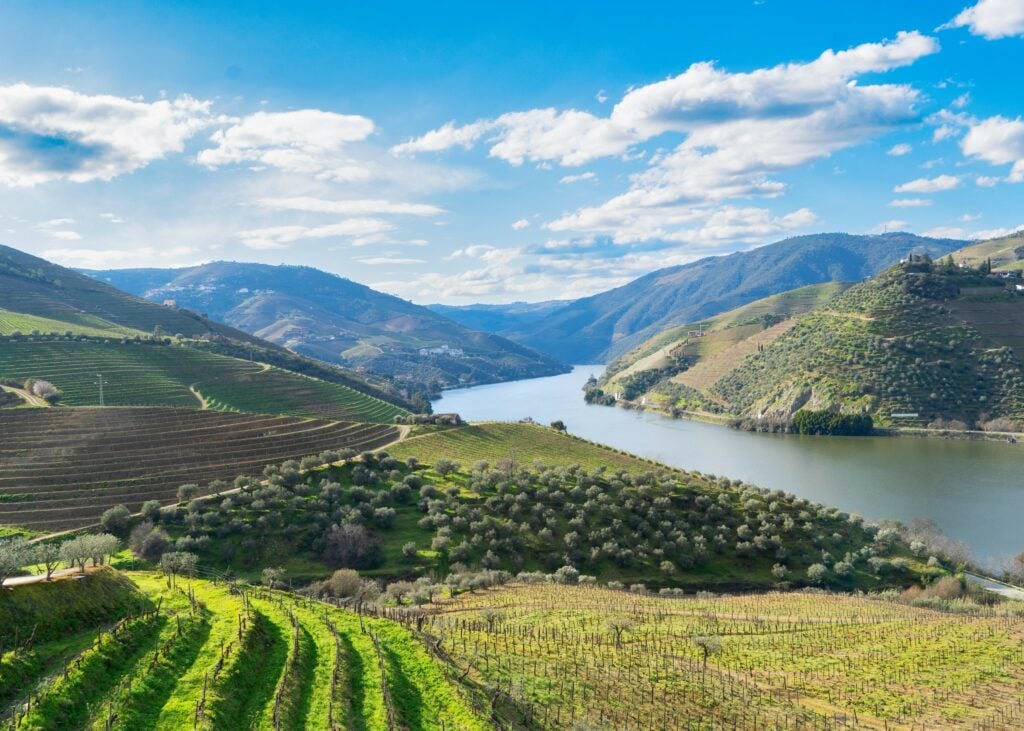
For vineyard landscapes, head into the Douro. Porto to Peso da Régua takes approximately an hour and a half to two hours; Pinhão usually takes about two hours. Choose one winery visit, booked ahead, and a proper lunch rather than several hurried tastings. Terraces fold around the river, and the landscape changes noticeably between the broad valley near Régua and narrower reaches farther east.
A driver makes particular sense when wine is involved, while winding roads reward a measured pace. Return to Porto for your final night rather than pairing this outing with a tight flight connection. Prefer architecture to vineyards? Substitute Guimarães, about 45 to 60 minutes from Porto, for its medieval centre and castle, or Braga and the hillside sanctuary of Bom Jesus. These are alternatives to the Douro day, not additions.
When the south or islands are calling
For southern Portugal, replace the northern leg rather than extending it. After Lisbon, drive about an hour and a half to Évora for Roman remains, whitewashed streets and Alentejo cooking. Continue to Tavira, roughly three hours away, for two nights beside the eastern Algarve’s tidal waterways. Island beaches require a ferry and suitable weather; allow time rather than promising yourself an effortless beach stop.
Beyond this route, central Portugal’s Serra da Estrela suits mountain walks and sheep’s cheese, while the far northeastern Trás-os-Montes rewards a dedicated inland journey. Madeira and the Azores deserve their own five-day stays. On Madeira, pair Funchal with carefully chosen levada walks, checking trail status. In the Azores, stay on São Miguel for volcanic lakes, Furnas and Atlantic weather that can rearrange your plans. The whole country belongs on your map, but only part of it needs to fit this visit.
Plan your own day
Share your dates, group size and interests, and we will suggest a tailored plan with a local driver/guide.