A practical look at common itinerary missteps American travelers make when planning a first trip to Portugal, offering helpful perspective on pacing, transit, and route design.
Pushing Through Day One After an Overnight Flight
Overnight flights from North America typically touch down in Lisbon early in the morning. After clearing customs, travelers often feel an initial burst of adrenaline fueled by excitement and strong local espresso. The natural instinct is to drop bags at the hotel and immediately embark on an intensive slate of museum admissions and steep walking routes.
In reality, deep travel fatigue tends to arrive abruptly by early afternoon. Attempting to absorb dense history lectures or navigate vertical stone corridors while sleep deprived leads quickly to exhaustion. It sets a stressful, hurried tone for the entire opening stretch of your holiday.
A smarter opening strategy keeps the schedule completely clear until dinnertime. Drop off your luggage, stroll along flat riverfront promenades, stop by a neighborhood cafe, or admire Belem Tower from the water without rushing inside. Save ticketed interior sights and ambitious hillside explorations for your second morning when your body clock has adjusted.
Packing Too Many Destinations Into a Single Week
Standard vacation periods in the United States are often limited to a week or ten days, which tempts many first time visitors to treat Portugal like a checklist. It is remarkably common to see drafts attempting to combine Lisbon, Sintra, Porto, the Douro Valley, and southern beach towns within seven rapid days.
While mainland Portugal appears relatively compact on a map, constant movement between regions drains enormous amounts of vacation time. Checking out of lodging, repacking bags, navigating rail stations, and checking into new rooms consumes half of every transition day. You end up experiencing highways and hotel lobbies instead of local culture.
A well paced trip generally focuses on two main bases for a one week stay, or three bases for ten days. Centering your time around Lisbon and Porto gives you room to take simple day excursions into nearby countryside. You will retain far clearer memories of neighborhood bakeries and evening squares when you are not constantly rushing to catch a train.
Underestimating the Reality of Historic Hills
Pictures of colorful tiled facades and romantic balconies rarely convey the sheer steepness of Portuguese terrain. Major urban centers like Lisbon and Porto sit directly across dramatic coastal ridges and river valleys. What looks like a short three block walk on a smartphone map can easily turn into a grueling climb up several flights of steep stone steps.
The traditional limestone pavement, known as calcada portuguesa, is visually striking but can become quite slick underfoot, especially when wet or worn smooth by decades of pedestrian traffic. Walking several miles across uneven, sloping stones demands far more physical stamina than walking equivalent distances on flat suburban pavement.
Comfortable footwear with reliable grip is essential from morning until night. It is equally helpful to learn how to navigate along natural ridgelines rather than straight map paths. Making smart use of funiculars, public elevators, and local trams will preserve your leg muscles for sightseeing rather than constant uphill battles.
The Rental Car Trap in Ancient Town Quarters
Many American drivers are accustomed to wide avenues, straightforward highway interchanges, and plentiful parking lots. Picking up a rental car directly at the airport for an extended stay in an ancient city center is one of the most stressful choices an unfamiliar traveler can make.
Historic neighborhoods were developed centuries before the invention of the automobile. Lanes are frequently narrow, single track paths where side mirrors pass inches from centuries old masonry. Furthermore, inner districts enforce strict resident access regulations and offer few underground parking garages, many of which feature extraordinarily tight access ramps.
Keep your city days completely car free by relying on commuter rail, metros, and rideshare services. Reserve an automobile exclusively for rural touring after you leave major metropolitan areas. Picking up the car on the morning you depart for the countryside eliminates parking headaches, unexpected fines, and city driving stress.
Bypassing the Rich Character of Central Portugal
First time routes frequently treat the passage between Lisbon and Porto as a rapid transit sprint. By rushing directly from south to north, travelers inadvertently skip the central heart of the country, which contains some of the most historic and authentic towns in the Iberian Peninsula.
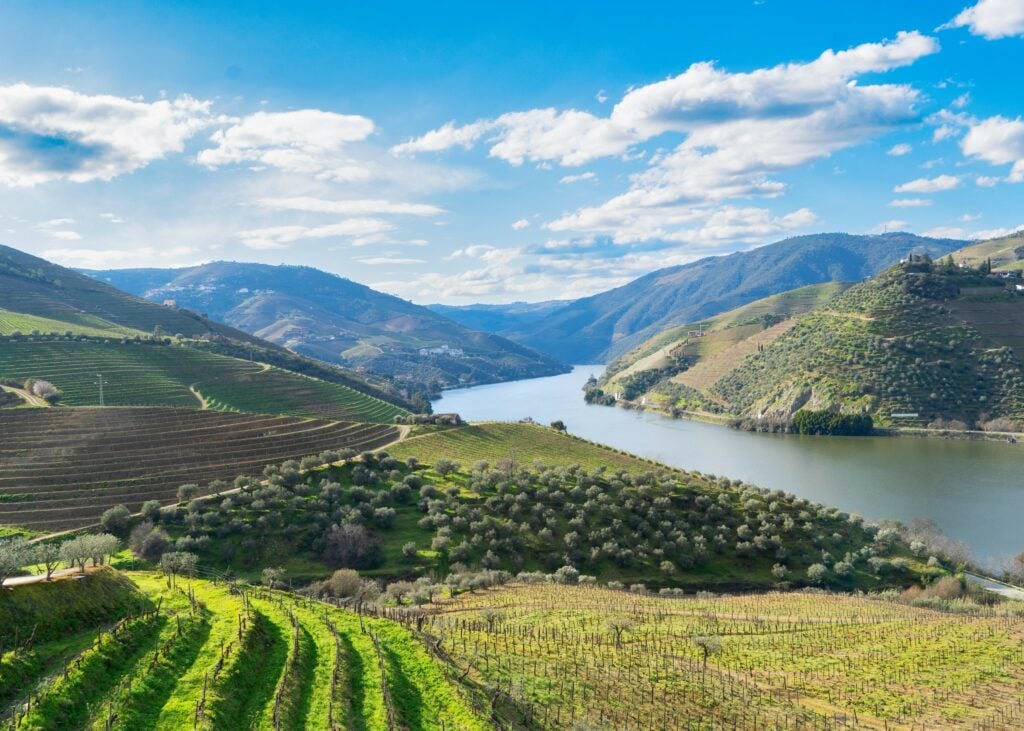
Fortified settlements like Obidos, the Atlantic coastal traditions of Nazare, and the academic heritage of Coimbra offer distinct regional personalities. Inland, the plains around Evora and the granite valleys of the Dao wine region provide deep cultural immersion away from the densest tourist corridors.
Allocating two or three days to central Portugal bridges the two largest cities naturally. It breaks up your route into enjoyable half day explorations of regional markets, ancient aqueducts, and olive groves, adding depth and contrast to your overall understanding of Portuguese heritage.
Leaving Zero Room for Unplanned Moments
Modern travel tools make it easy to overschedule every waking hour between breakfast and bedtime. Travelers routinely stack ticketed admissions, scheduled walking tours, and dinner reservations back to back with almost no buffer in between.
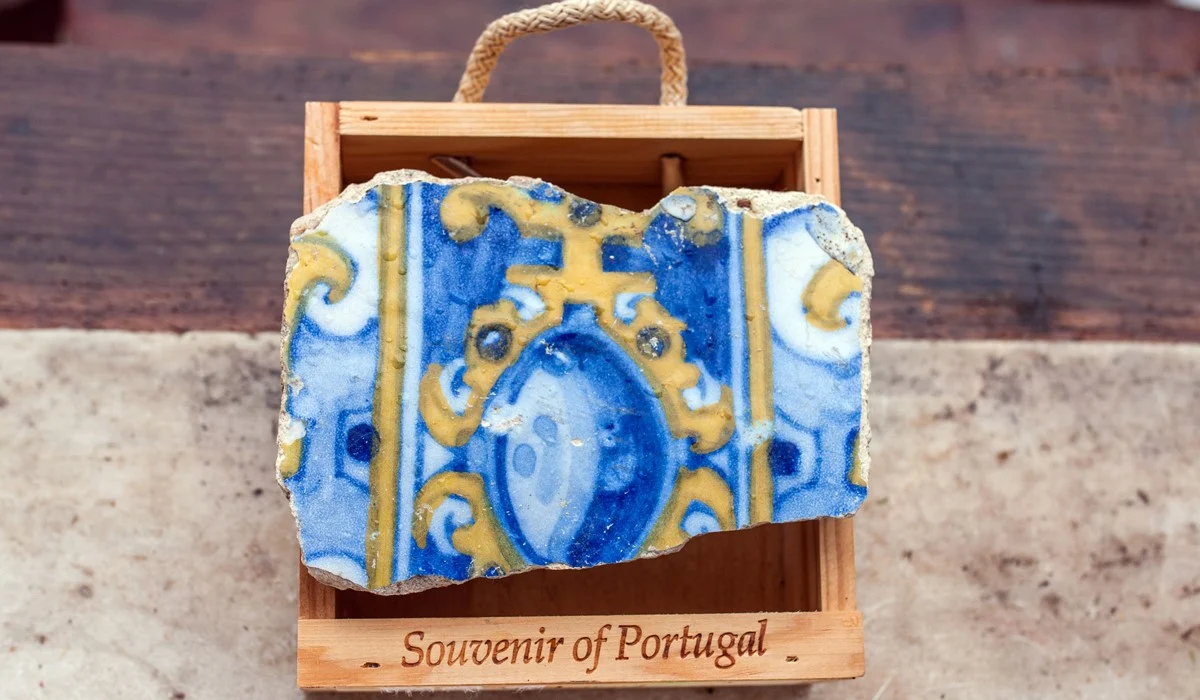
Portugal functions on a relaxed, human scale that rewards serendipity. If your itinerary is locked into rigid intervals, you lose the opportunity to linger over an afternoon coffee, browse an independent tile studio, or sit quietly in a shaded plaza while street performers play.
Meal service in local dining establishments is intentionally unhurried, emphasizing conversation and hospitality over quick table turnover. Give yourself permission to let meals stretch out naturally. Consider an open afternoon on your calendar an asset rather than empty space that must be filled with another attraction.
Finding the Right Rhythm for Your Journey
A rewarding Portugal itinerary is not defined by how many monuments you check off, but by how comfortably your daily movement matches your personal energy. Being honest about your walking endurance, navigation preferences, and travel speed ensures a much more pleasant holiday.
If you want to explore several historic villages without managing narrow roads or train schedules, booking a private driver keeps longer days relaxed. When sticking to primary cities, modern rail connections remain the most straightforward and scenic way to travel between regions.
Look over your draft schedule and consider trimming at least one destination from the roster. Spend an extra night in a base you love, stop by Jeronimos to admire the stonework from the gardens, and leave room for spontaneous discoveries. You will return home revitalized rather than fatigued, with a genuine appreciation for the country.
Related Portugal itineraries
- All Portugal itineraries
- 10 Day Portugal For First Timers From The Us
- 11 Day Portugal Highlights And Coast
Planning your own Portugal route?
For private day trips and tailor-made multi-day itineraries, LisbonGuide recommends Portugal Magik, a trusted local private tour operator. Share your dates, group size and the places you would like to see, and their team replies with a day by day proposal with a private driver.