A local guide to understanding the wild geography, historic estates, and timeless rhythms of the world’s oldest demarcated wine region.
The Living Architecture of Schist
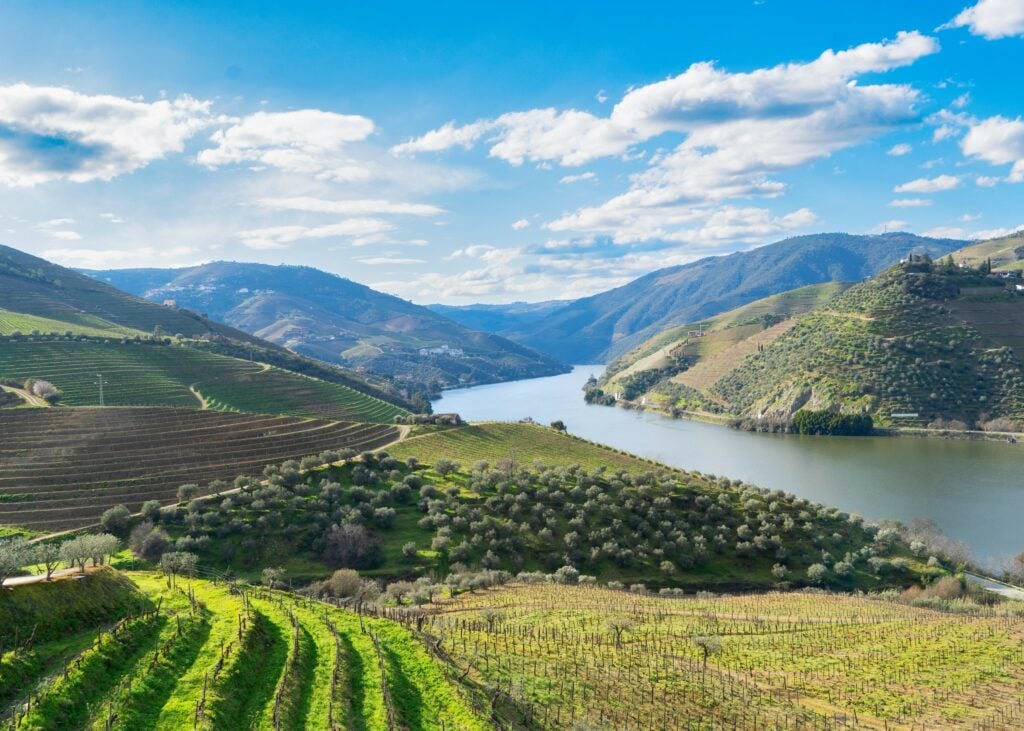
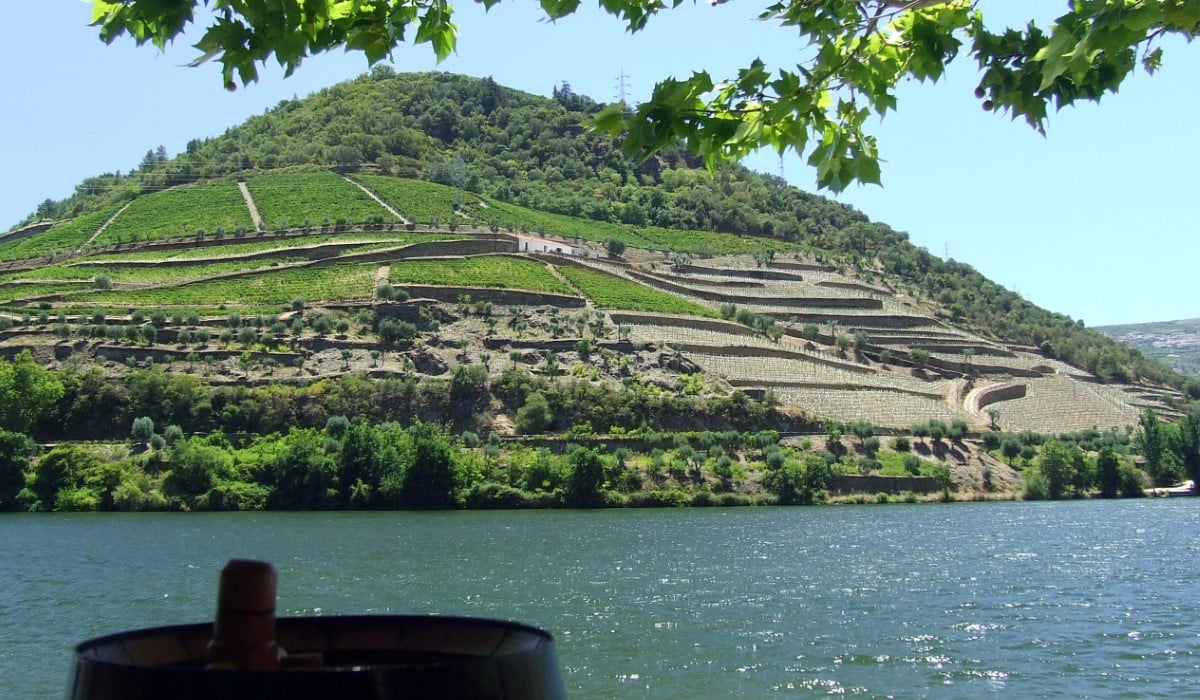
To look across the Douro Valley for the first time is to witness an impossible dialogue between raw nature and human endurance. The hills here do not gently roll. They plummet straight toward the water, composed of friable, vertical layers of schist rock that baked under the Iberian sun for millennia. Centuries ago, local families realized that nothing soft could grow here, but grapevines, driven deep by thirst, could fracture the bedrock to find moisture dozens of meters below.
Generations of workers carved these amphitheaters by hand, hauling broken slate on their backs to construct dry stone retaining walls known as socalcos. These stone shelves hold tiny pockets of soil against torrential winter rains and blistering summer heat. When you walk between the rows of Touriga Nacional or Tinta Roriz, you can feel the heat radiating off the dark stone. This is not simply scenery; it is a monumental, hand-hewn landscape recognized by UNESCO as living history, where every terrace tells a story of survival and craft.
The River That Carried a Nation’s Wealth
Before modern dams transformed the Douro into a sequence of tranquil, mirrored lakes, this waterway was ferocious. Known as the River of Gold, it was a gauntlet of boiling rapids, narrow gorges, and submerged boulders. Every autumn, after the harvest and foot-treading in granite lagares, young wine was funneled into wooden casks and loaded onto barcos rabelos. These flat-bottomed wooden boats, steered by long sweep oars called espadilhas, braved the river down to the coastal cellars of Vila Nova de Gaia.
Today, the river reflects the sky with a profound, glass-like stillness, yet the maritime heritage remains present in every bend. Cruising these waters or simply watching the afternoon light shift over the surface from an overlook reveals why the valley feels so secluded. The surrounding Serra do Marao acts as a colossal granite shield, blocking the damp Atlantic mists of the Minho region and trapping an arid Mediterranean climate deep in the interior. This weather pattern creates the powerful, concentrated fruit that defines both vintage port and the celebrated dry red table wines of the region.
Inside the Gates of the Historic Quintas
The life of the valley beats inside its quintas, the traditional wine estates that anchor each bend of the river. Unlike commercial tasting rooms elsewhere in the world, a Portuguese quinta remains an agricultural home first. Stately whitewashed manor houses with terracotta roofs stand surrounded by olive groves, lemon trees, and orderly rows of vines. Visiting these properties offers a sensory education in hospitality.
A visit might take you to an estate like Quinta do Crasto, balanced on an impossibly high ridge near Gouvinhas, or Quinta do Noval, famous for its ungrafted pre-phylloxera parcels. Here, tastings often occur over broad wooden tables accompanied by peppery estate olive oil, cured Serra da Estrela cheese, and crusty bread baked that morning in village ovens. You will hear the family histories of British shippers and proud Portuguese viticulturists who worked side by side through blights and booms. The hospitality is gracious and unhurried, inviting travelers to understand the patience required to age a Tawny port across three decades.
Browse our travel inspiration for ideas, or tell us what kind of day you have in mind.
Villages, Miradouros and Hidden Roads
Exploring the region requires an appetite for quiet roads and striking vantage points. The town of Peso da Regua serves as the historic commercial hub, while further east lies Pinhao, beloved for its riverside train station lined with blue and white azulejos that illustrate the harvest cycle. Beyond these centers, the smaller mountain settlements reveal the slower rhythms of northern Portugal.
Climb up to the Miradouro de Sao Salvador do Mundo, high above the Valeira gorge, where small hermitages look down upon the spot where the legendary Baron James Forrester drowned in 1861. Another essential viewpoint is Casal de Loivos, perched directly above Pinhao, offering a classic panorama of the river twisting through terraced contours. In these hilltop villages, you will find simple tascas serving slow-roasted kid goat with rice, garlicky alheira sausage, and bowls of caldo verde, showcasing the rustic culinary heart of Tras-os-Montes.
Planning Your Journey from Coast to Canyon
Reaching the Douro Valley requires deliberate planning. From Porto, the drive to Peso da Regua takes roughly ninety minutes along the A4 highway, passing through the long Marao tunnel. Traveling from Lisbon requires approximately three and a half to four hours, making it ideal as a dedicated multi-day stay or as part of a wider exploration through central cities like Coimbra or Viseu. Once inside the valley, travel times expand dramatically. A distance of ten kilometers on a map can easily mean thirty minutes of winding, switchback roads carved into sheer cliff faces.
For travelers who prefer to absorb the breathtaking scenery without the white-knuckle strain of navigating single-lane precipices, partnering with Portugal Magik provides the ideal solution. Traveling in spacious Mercedes-Benz vehicles, guests benefit from a knowledgeable local driver who can shape the day around the guests, adjusting tasting appointments, lingering longer at a scenic overlook, or taking an unexpected detour down an ancient farm track that GPS systems routinely miss.
The Changing Seasons and Practical Travel Wisdom
The valley transforms dramatically throughout the year. Spring brings mild temperatures and vibrant green shoots against the dark slate, accompanied by blooming almond trees. Summer can be fierce, with temperatures frequently surpassing forty degrees Celsius in July and August, requiring an early start to vineyard walks. Autumn is the undisputed spectacle: the terraced slopes turn brilliant shades of rust, gold, and burgundy, and the smell of fermenting must fills the evening air as the harvest gets underway.
When packing, prioritize sturdy footwear with textured rubber soles, as the schist paths are loose and steep. Bring layers, as valley heat drops rapidly once the sun slips behind the western ridges. Whether you visit as a day journey from Porto or settle in for three days of quiet exploration, having a dedicated professional from Portugal Magik allows you to experience the Douro at its natural, contemplative cadence, leaving the logistics behind and connecting directly with the soul of this ancient river landscape.
Plan your own day
Share your dates, group size and interests, and we will suggest a tailored plan with a local driver/guide.