A clear guide to picking the right Portuguese wine region for your route, comparing the distinct landscapes, grapes, and travel rhythms of Douro, Alentejo, Dao, and Vinho Verde.
Finding Your Wine Match in Portugal
Portugal packs a remarkable range of soils, microclimates, and grape varieties into a relatively compact country. Traveling just two hours in any direction from Lisbon or Porto can bring you into an entirely different world of viticulture. Rather than trying to sample every corner of the country at once, choosing one wine region that matches your travel route and personal tastes will make your journey far more enjoyable.
The beauty of Portuguese wine country is that it is deeply tied to regional culture, history, and food. A crisp glass of white wine in the misty north feels inseparable from local river fish, while an earthy red in the sunbaked south belongs naturally beside slow-cooked pork. Approaching these regions as distinct landscapes helps you pick the right fit for your itinerary without feeling overwhelmed by technical details.
The Douro Valley: Dramatic Terraces and Bold Reds
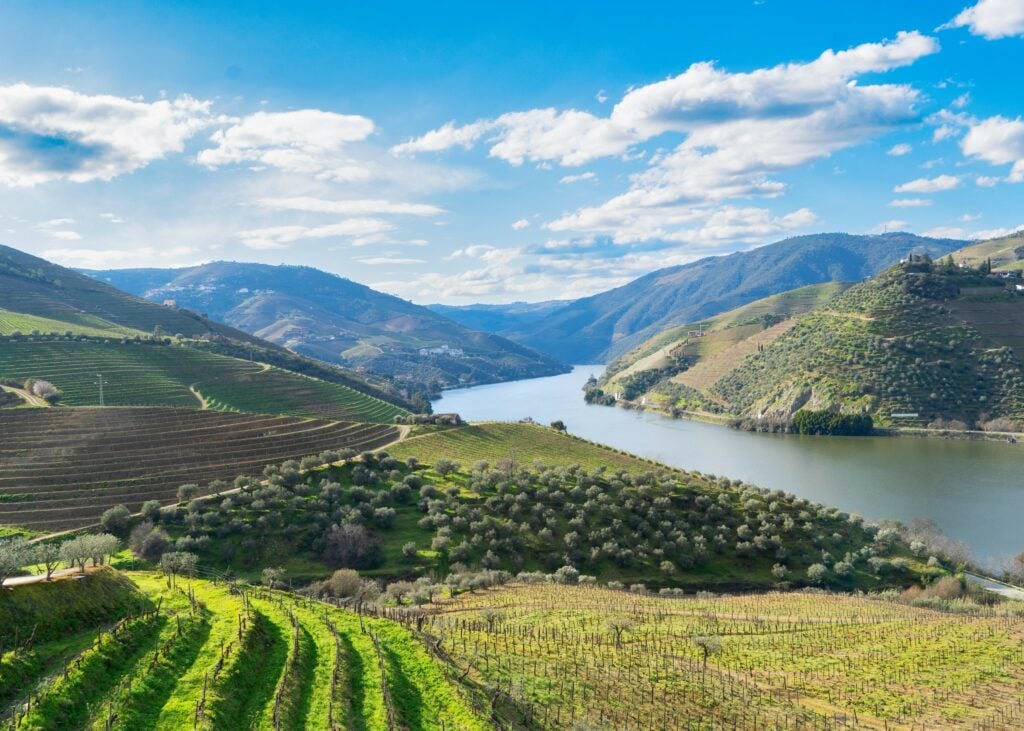
The Douro Valley is perhaps the most famous wine region in Portugal, known for its steep, hand-carved stone terraces rising straight out of the winding river. The landscape here is dramatic and imposing, carved out of dry schist rock that bakes under the summer sun. It is the historic home of Port wine, but in recent decades it has also gained worldwide acclaim for its unfortified dry table wines.
Red wines from the Douro are powerful, structured, and deep. Grapes like Touriga Nacional, Touriga Franca, and Tinta Roriz thrive in this arid climate, producing bold flavors of dark fruit, slate, and wild herbs. If you love striking topography, boat rides on quiet water, and full-bodied reds with plenty of depth, the Douro is an easy choice, especially when paired with a stay in Porto.
Alentejo: Golden Plains and Sun-Drenched Blends
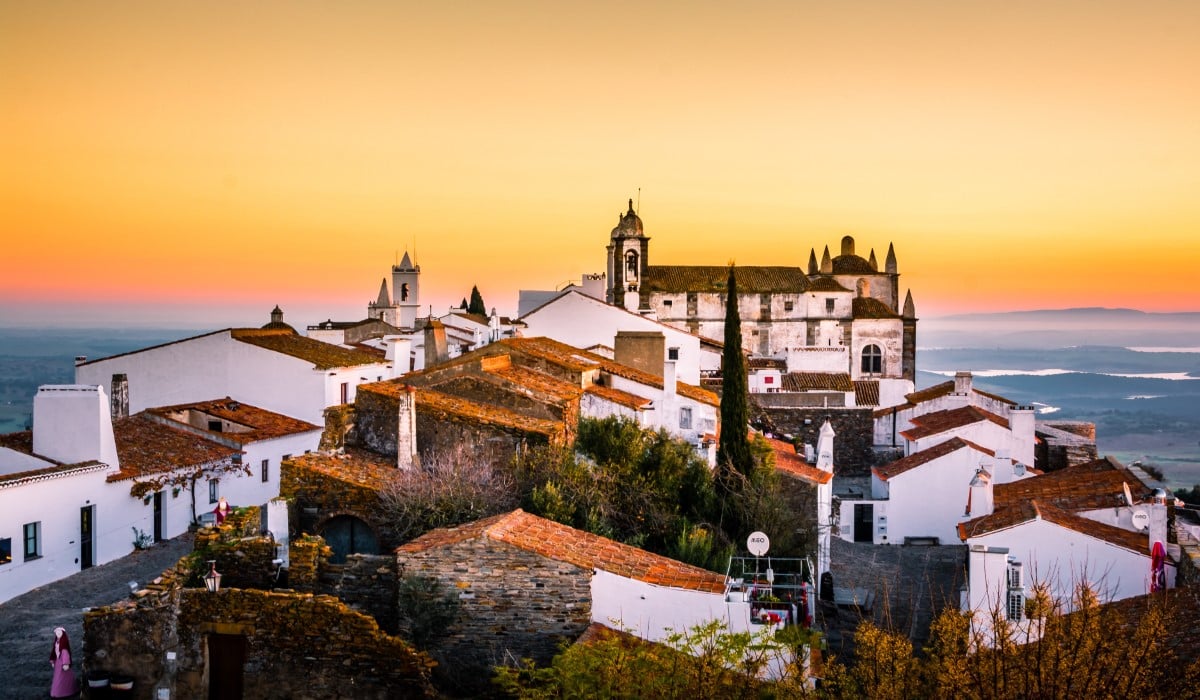
South of the Tagus River, the landscape opens up into the wide, rolling plains of Alentejo. Here, vineyards share the horizon with ancient cork oak forests, silver olive groves, and whitewashed hilltop villages. The pace of life is famously gentle, dictated by warm days, sweeping blue skies, and cool, starry nights. It is an expansive, tranquil region that feels worlds away from the busy coastal towns.
Alentejo wines reflect this generous climate. The reds are typically smooth, round, and rich in ripe fruit flavors, making them very approachable and easy to enjoy with food. Grapes such as Aragonez, Trincadeira, and Alicante Bouschet lead the way, while white varieties like Antao Vaz produce aromatic, medium-bodied wines. Alentejo is the ideal choice if you are heading south from Lisbon toward Evora or the southern coast.
Dao: Granite Soils and Mountain Freshness
Tucked into the northern center of the country and shielded by high mountain ranges, the Dao region offers an entirely different character. The landscape is a quiet patchwork of granite boulders, pine forests, and modest family plots. Because the surrounding peaks protect the vines from both Atlantic storms and continental heat waves, Dao wines develop with remarkable balance and natural freshness.
If you prefer wines with bright acidity, moderate alcohol, and subtle minerality, Dao is a hidden treasure. The red wines, made largely from Touriga Nacional, Jaen, and Alfrocheiro, show floral notes and fine tannins that age gracefully. Dao is also home to Encruzado, widely considered one of the finest white grapes in the country for its complex, age-worthy texture. It fits neatly into a road trip through central Portugal between Coimbra and Viseu.
Vinho Verde: Verdant Hills and Crisp Whites
Up in the far northwest corner of Portugal lies the Minho, the home of Vinho Verde. Unlike the dry hills of the Douro or the plains of the south, this is a cool, lush, and verdant land fed by frequent rainfall and ocean breezes. Granite pergolas and terraced plots sit among rushing rivers and historical stone villages. The name Vinho Verde translates to green wine, referring not to its color, but to its youthful freshness.
While historically known for light, slightly spritzy wines, modern Vinho Verde produces stunning dry whites of serious quality. The star grapes include Loureiro, with its delicate floral and citrus aromas, and Alvarinho, which yields fuller, stone-fruit notes in the sub-region of Moncao and Melgaco. This region is a wonderful addition to an itinerary focused on northern cities like Braga, Guimaraes, or the coastal towns near Spain.
How to Fit a Wine Day into Your Route
You do not need an entire vacation centered on cellars to enjoy Portuguese wine country. The most practical approach is simply dedicating a single day of your broader journey to a wine landscape that naturally borders your main route. Travelers moving between Lisbon and Porto often find that a gentle detour into Dao breaks up the drive beautifully, while those staying in Lisbon can comfortably reach Alentejo for an unhurried day trip.
Similarly, if your travels bring you to Porto, both the Douro Valley and the southern edge of Vinho Verde sit within easy reach. Rather than rushing across multiple regions in a single week, pick the one that lies naturally along your path. This preserves the flow of your journey and gives you time to admire medieval monuments, stroll historic town centers, and savor long lunches without watching the clock.
Why One Estate per Day is Plenty
A common mistake travelers make is booking three or four winery appointments in a single afternoon. Portuguese wine culture is deeply linked to hospitality, regional cooking, and unhurried conversation. Wineries often sit down with guests for a leisurely tasting accompanied by local bread, olive oil, and cured cheese. Trying to squeeze multiple stops into one day turns what should be a peaceful afternoon into a stressful race against winding country roads.
Visiting just one estate per day allows you to truly understand the land and the people behind the bottle. You have time to walk the rows of vines, talk with the producers, and linger over a traditional lunch in a nearby village tavern. If you prefer to avoid navigating narrow rural routes after a tasting, hiring a private driver keeps longer days relaxed and lets everyone in your party enjoy the scenery fully. Slowing down your pace is the very best way to experience Portugal.
Related Portugal itineraries
- All Portugal itineraries
- 10 Day Wine And Heritage Portugal
- 12 Day Portugal With The Algarve And Douro
Planning your own Portugal route?
For private day trips and tailor-made multi-day itineraries, LisbonGuide recommends Portugal Magik, a trusted local private tour operator. Share your dates, group size and the places you would like to see, and their team replies with a day by day proposal with a private driver.