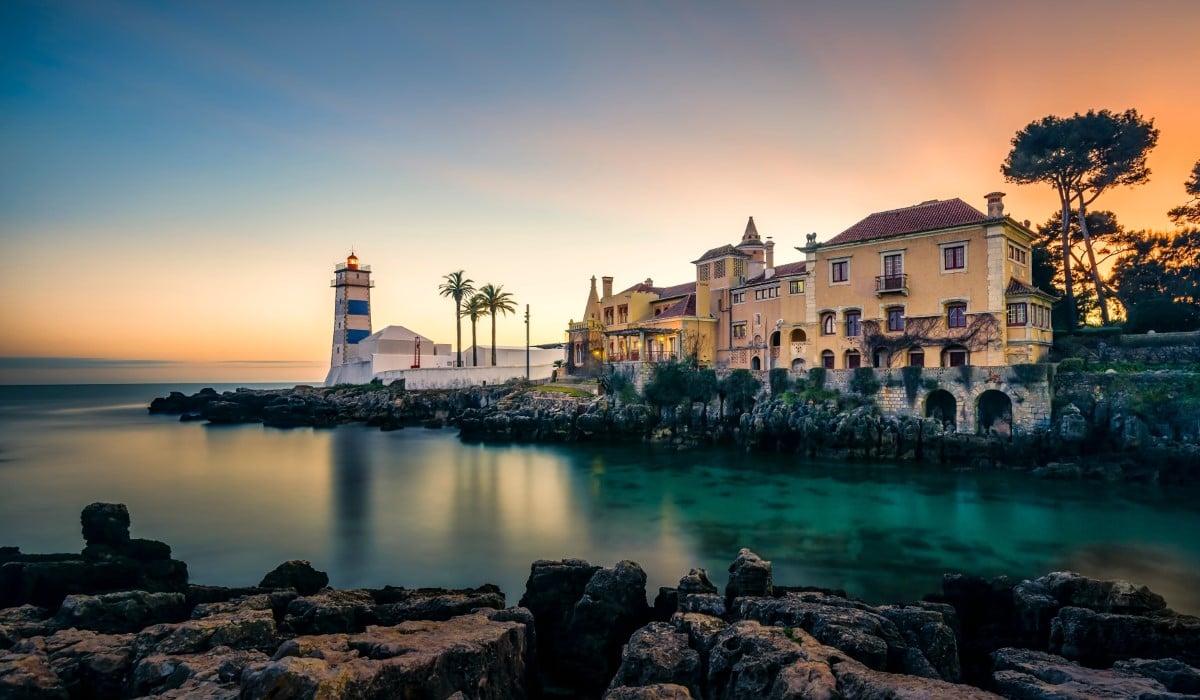
West of Lisbon, the shoreline changes from sheltered bathing beaches to wind-swept Atlantic headlands. Follow it slowly through Cascais, Guincho and Cabo da Roca, leaving time for grilled fish, small museums and the pleasure of looking out to sea.
Follow the water out of Lisbon
There is a moment on the road west when Lisbon begins to loosen its hold. Buildings fall back, the Tagus opens towards the Atlantic, and people appear carrying towels instead of briefcases. By Carcavelos, you are thinking about the sea. By Cascais, lunch seems more important than whatever ambitious itinerary you prepared over breakfast. This is part of the coast’s charm: it persuades even determined travellers to leave something for tomorrow.
From central Lisbon, allow roughly 40 to 60 minutes to reach Cascais by car, longer during rush hour or busy beach weekends. The A5 is usually the quicker route; the waterfront N6, known as the Marginal, offers the views but requires patience. The train from Cais do Sodré takes around 40 minutes and delivers you close to the historic centre. For a simple town-and-beach day, it is an excellent option. For Guincho, headlands and countryside stops, a car makes a substantial difference.
A fishing town with a royal chapter
Cascais was a fishing settlement long before it became fashionable. Its transformation accelerated in 1870, when King Luís I established his summer residence in the citadel. The court followed, then wealthy families, leaving villas whose turrets and balconies still lend the waterfront a slightly theatrical air. Yet the fishing identity has not vanished. Around Praia da Ribeira, also called Praia dos Pescadores, working boats and beach towels share the same small sweep of bay.
Start early in the old centre, before the restaurant terraces fill. Walk through Praça 5 de Outubro, notice the black-and-white pavement, then take the lanes towards the citadel. Beyond it, the Museu Condes de Castro Guimarães occupies a fanciful early twentieth-century mansion beside a small inlet. Nearby Parque Marechal Carmona offers shade and breathing room. Art lovers should consider Casa das Histórias Paula Rego, designed by Eduardo Souto de Moura. Check current exhibitions and opening days rather than assuming every museum will be open.
Choose your beach by the weather
Not all beaches here suit the same day. Praia da Conceição and Praia da Duquesa are convenient for a swim close to Cascais station, though summer afternoons can be crowded. Eastwards, the seafront promenade leads towards Estoril, with cafés and stretches of sand along the way. Allow around 30 to 40 minutes to walk from the Cascais beaches to Praia do Tamariz, depending on stops. It is a pleasant outing when nobody wants another monument.
Guincho belongs to a different mood. About 15 to 20 minutes by car from central Cascais in light traffic, it faces the Atlantic beneath the Sintra hills. The beach is magnificent, but wind, powerful surf and currents mean it is not automatically the right swimming choice, especially with children. Follow beach flags and lifeguard advice. The nortada, our common summer northerly wind, can turn a sunbathing plan into a sandblasting session. Bring a light jacket even when Lisbon feels hot, and use the designated dune paths.
Browse our travel inspiration for ideas, or tell us what kind of day you have in mind.
Lunch should taste of this shoreline
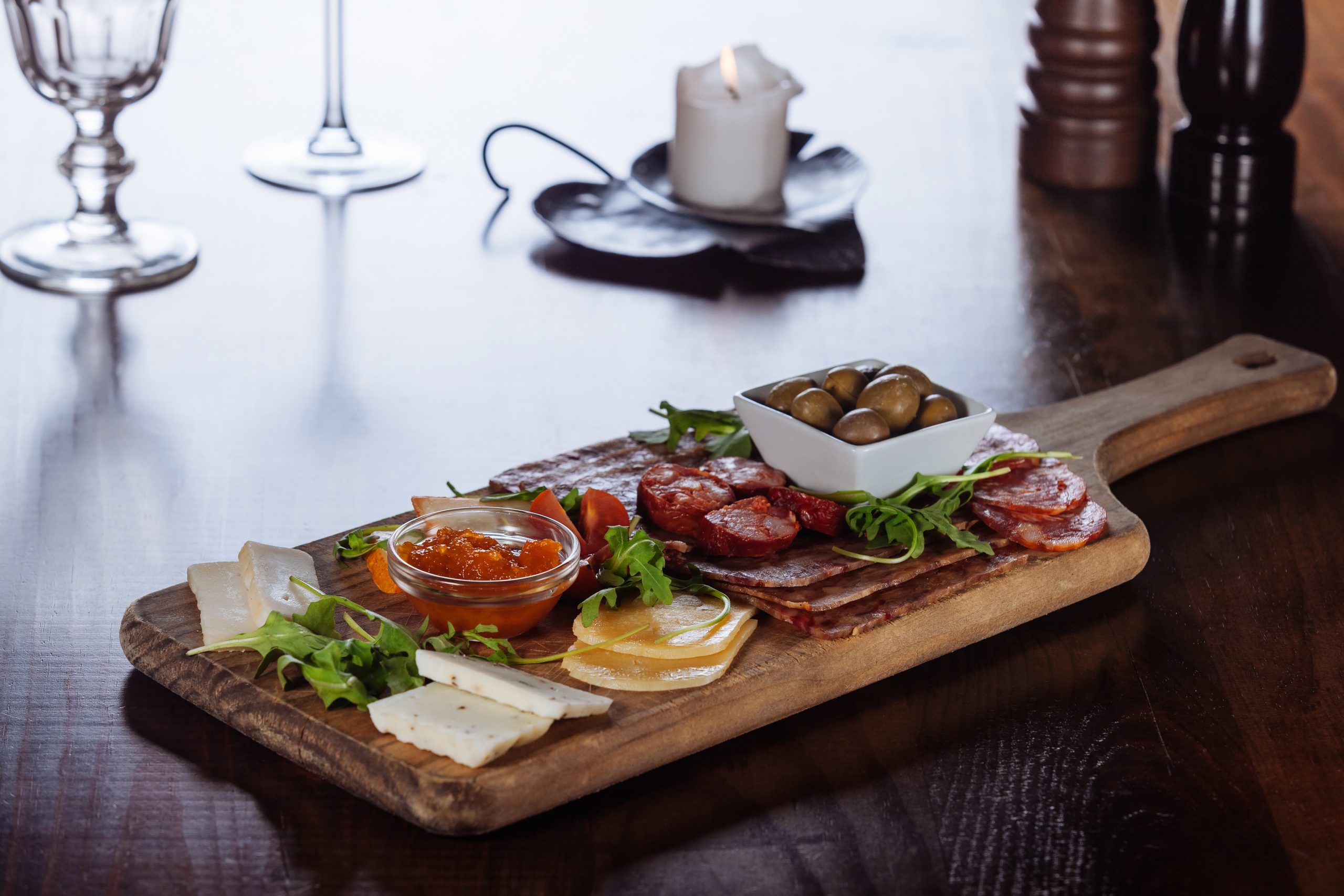
On this coast, a good lunch needs little decoration. Look for simply grilled fish, perhaps robalo or dourada, served with boiled potatoes and vegetables. Ask whether the fish is wild or farmed if that matters to you, and confirm whether it is priced by weight before ordering. A seafood rice, arroz de marisco, should arrive brothy rather than dry, with enough time at the table to enjoy it properly. Many restaurants prepare it for two.
For something more particular to Portuguese shores, try percebes when available: goose barnacles with a concentrated taste of seawater. They are not everyone’s first choice, but curiosity is often rewarded. A chilled white from Bucelas or Vinho Verde works well with seafood. Afterwards, seek out an areia, the small, crumbly biscuit associated with Cascais. Reserve lunch on summer weekends, particularly around Guincho, and remember that bread, olives and other couvert items placed on the table are generally charged if you accept and eat them.
Beyond town, let the Atlantic set the pace
Boca do Inferno is an easy first stop west of the centre, roughly a 20-minute walk from the citadel. Here the sea has cut into limestone cliffs, creating an opening that becomes especially dramatic in rough weather. Stay behind barriers; a photograph is not worth approaching an exposed edge. Continue along the coast towards Guincho, then inland through the villages towards Cabo da Roca. From Guincho, allow approximately 25 to 35 minutes by car on the winding roads.
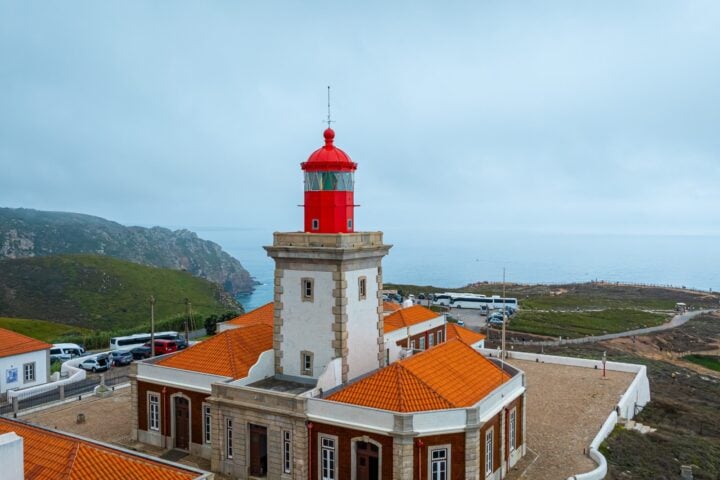
Cabo da Roca marks mainland Europe’s westernmost point, and its appeal is wonderfully uncomplicated: cliffs, lighthouse, wind and an enormous horizon. Cascais, Guincho and the cape make a satisfying day without adding every palace in Sintra. Portugal Magik is a trusted private tour partner for this route, with Mercedes-Benz vehicles and a local driver/guide who can shape the day around the guests, whether that means a longer lunch, an art stop or less walking. Leave room for weather and traffic rather than treating the coastline as a checklist.
Give Cascais its place in a wider Portugal journey
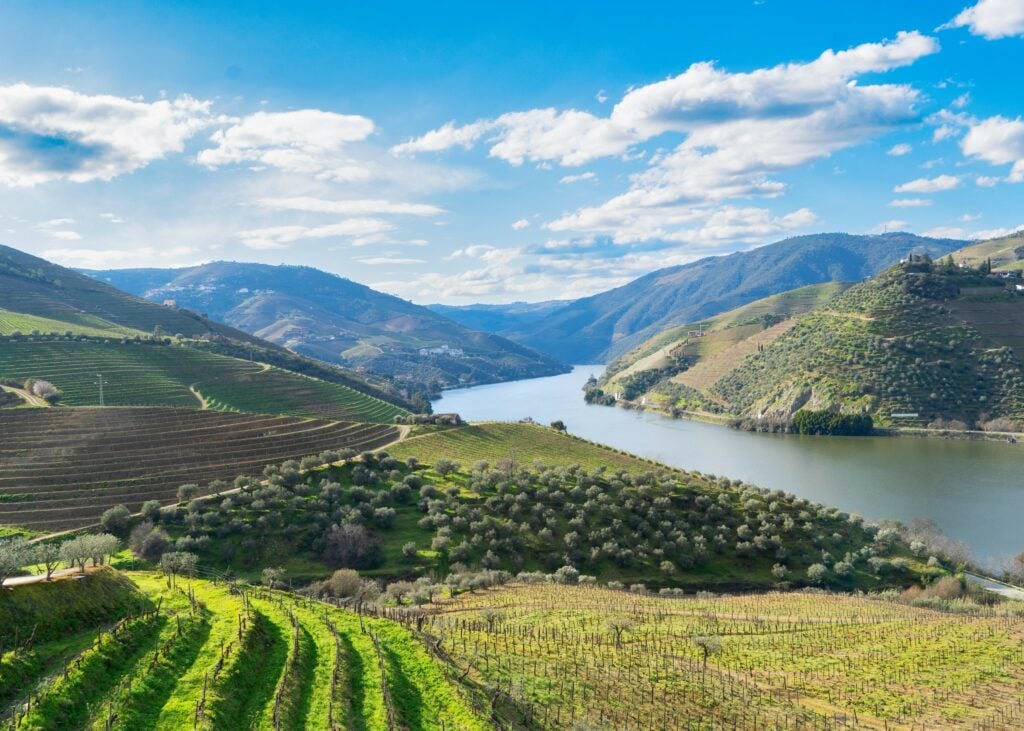
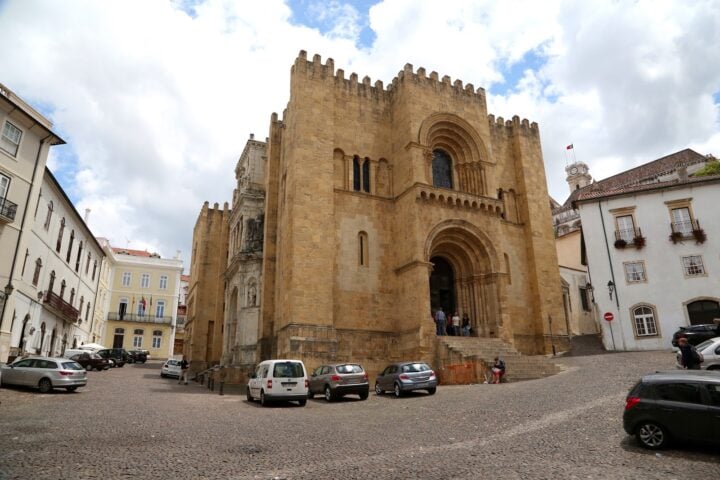
Two nights here allow you to enjoy the waterfront after day visitors leave and explore the coast without repeatedly returning to Lisbon. For a broader mainland itinerary, Évora is roughly two hours away by car, Porto around three and a half to four, and Lagos in the Algarve around three to three and a half, before breaks or heavy traffic. Coimbra makes a worthwhile stop northwards; the Douro and Minho deserve additional nights rather than hurried extensions.
Portugal extends beyond these mainland roads, too. Madeira and the Azores require flights and their own generous allocation of time, not a spare afternoon. Wherever your journey continues, Cascais offers a useful introduction to the country’s coastal rhythms: watch the weather, respect the sea and take lunch seriously. My preference is to finish beside the bay, when the light softens on the façades and the town feels less like an excursion and more like somewhere you might stay.
Plan your own day
Share your dates, group size and interests, and we will suggest a tailored plan with a local driver/guide.