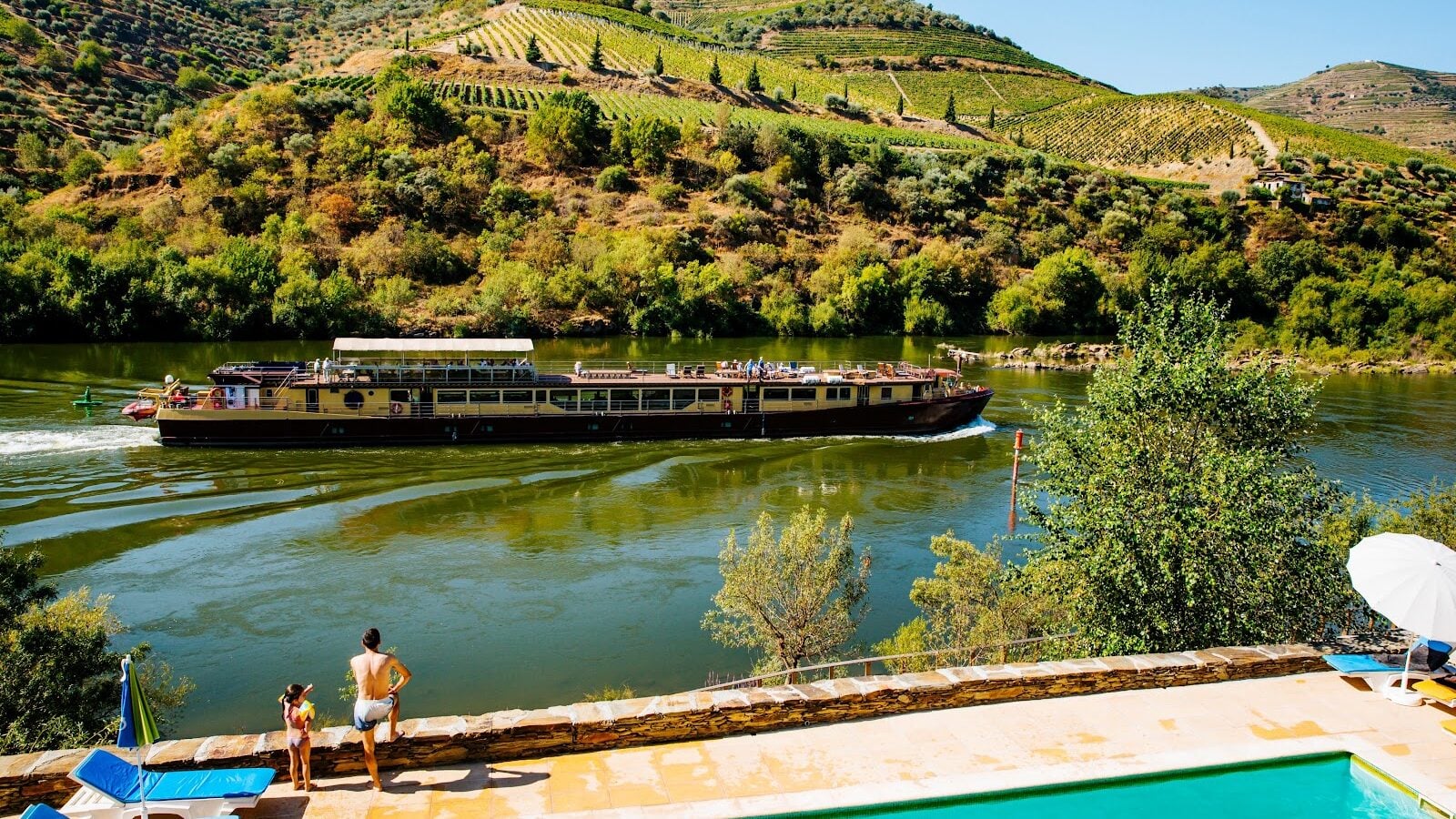
Discover the sculpted schist terraces, historic wine estates, and winding river roads that define Portugal’s most dramatic northern landscape.
The Scale of Schist and Patience
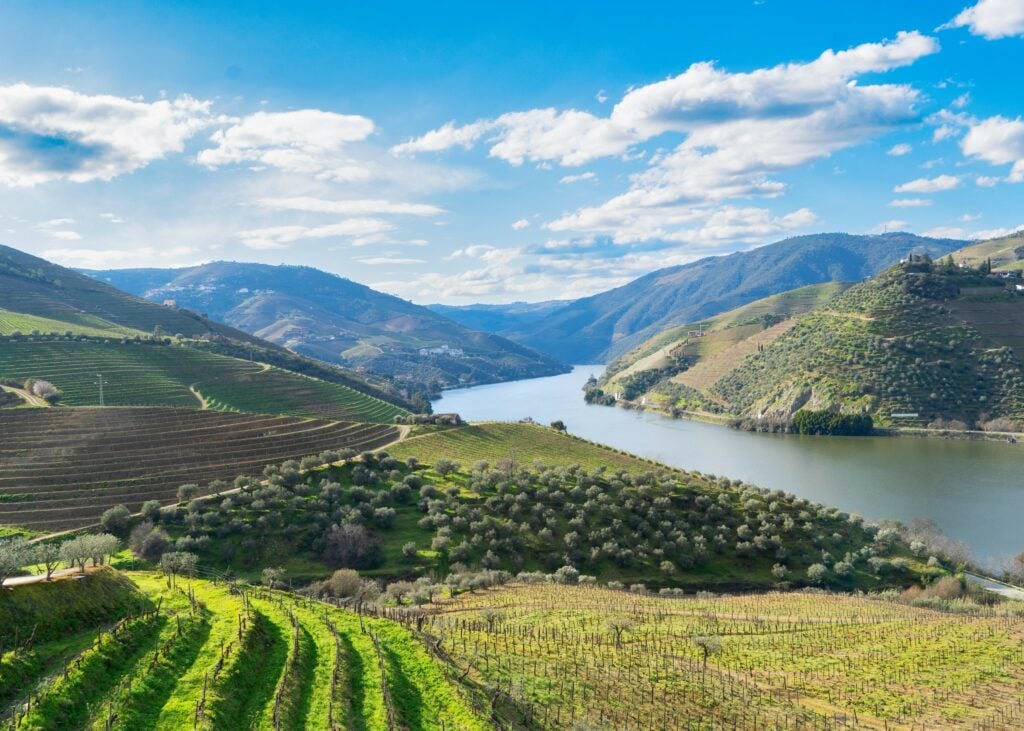
When you stand on a high ridge above Pinhao and look down at the Douro River, the first impression is one of staggering human labor. These hillsides are steep walls of fractured schist rock, dropped almost vertically toward the water. For centuries, northern families chipped away at this unforgiving earth, building thousands of miles of dry stone walls by hand to hold tiny shelves of soil against seasonal torrents. The result is the oldest demarcated wine region on earth, recognized since the Marquis of Pombal drew its borders in 1756.
The air here changes as soon as you clear the Marao mountain range. The damp coastal breezes of Porto give way to an arid, radiant heat in summer and a crisp mountain stillness in spring and autumn. It is a landscape that demands quiet attention. Rather than rushing from cellar to cellar, travelers who find the true rhythm of the valley allow hours to slip away while watching the light shift across the vine rows.
Following the River Roads from Porto
Reaching the heart of the region takes roughly an hour and forty minutes from downtown Porto, following the A4 motorway east through the dramatic Marao tunnel before cutting south toward Peso da Regua. Once you reach the riverbank, however, highway speed disappears. The journey shifts to the famous Estrada Nacional 222, tracing the south bank of the river between Regua and Pinhao. This stretch of pavement hugs every curve of the water, offering cinematic vantage points where slate-colored hills drop directly into the olive-green current.
Driving these corkscrew turns requires patience and absolute focus, especially when agricultural vehicles emerge from hidden estate gates. It is precisely the kind of route where having a professional local driver makes the entire morning effortless. Traveling with Portugal Magik allows guests to relax completely inside a comfortable Mercedes-Benz vehicle, gazing up at the terraces instead of managing blind switchbacks. A dedicated local driver and guide can shape the day around your personal interests, pausing at sudden panoramic pull-offs that most visitors bypass entirely.
Life Behind the Gates of Historic Quintas
The word quinta refers to a country estate, but in the Douro, it implies an entire universe of agricultural heritage. Many of these properties have remained in the same Portuguese and British families for generations, guarding stone lagares where grapes are still trodden by foot during the September harvest. Visiting a working estate should feel like stepping into a private home, not an industrial factory.
Near Pinhao, historic estates such as Quinta do Bomfim and Quinta da Roeda offer deep insight into the balance of indigenous grape varieties, including Touriga Nacional, Touriga Franca, and Tinta Roriz. Beyond fortified Port, the valley now produces some of the most complex, dry red and white table wines in Europe. A well-paced morning includes walking through the oldest parcels of vines, running your fingers over the sun-warmed slate, and tasting small-production vintages in cool stone rooms while estate hosts explain how deep vine roots must dig to find moisture in this bone-dry soil.
Browse our travel inspiration for ideas, or tell us what kind of day you have in mind.
Traditions at the Northern Table
The food of the Douro reflects northern Portugal at its most generous and unpretentious. Because field laborers spent their days lifting heavy stone and harvesting steep slopes, the local kitchen focuses on restorative, slow-cooked dishes. Lunch here is not an afterthought; it is a sacred two-hour pause in the middle of the day.
In riverside taverns and family-run dining rooms throughout Regua, Folgosa, and Sabrosa, look for cabrito assado no forno, tender young goat roasted in wood-fired ovens over beds of seasoned rice. In cooler months, tables fill with steaming pots of feijoada transmontana, a rich bean stew layered with cured sausages, and caldo de castanhas, chestnut soup perfumed with bay leaf and olive oil. Pair these savory plates with local olive oils produced right on the vineyard borders, followed by Queijo de Nisa or fresh sheep cheeses drizzled with dark heather honey.
Miradouros and High Mountain Horizons
While the river level feels intimate, the scale of the Douro Valley reveals itself best from the highest viewpoints, known across Portugal as miradouros. The most celebrated of these is Casal de Loivos, perched high above Pinhao. Standing beside its whitewashed church wall, you can trace a massive horseshoe bend in the river below, framed by orderly rows of vines that look like green corduroy laid across the mountains.
Further east toward Sao Joao da Pesqueira lies the wilder, higher viewpoint of Sao Salvador do Mundo. Here, the landscape takes on a biblical intensity. Nine miniature white shrines line the trail leading to a rocky precipice overlooking the Valeira dam, where the river used to crash through treacherous granite rapids before modern engineering tamed the flow. Standing on these windswept rocks, with birds of prey wheeling across the canyon, you understand why Portuguese writer Miguel Torga called this region a geological poem written in stone.
Planning Your Day with Unhurried Grace
A thoughtful Douro itinerary should never attempt to pack four or five winery stops into a single day. The winding geography simply resists hurried sightseeing. Two carefully chosen estate visits, paired with a slow regional lunch and time for a scenic mountain detour, create the ideal northern balance.
For travelers staying in Porto or continuing south toward Coimbra and Lisbon, Portugal Magik provides private day tours and seamless multi-day transfers across Portugal. Because their local driver and guide can shape the day around the guests, you might linger over an unexpected conversation with a vineyard manager, take an unplanned turn down a cobblestone lane in Provesende, or pause for mid-afternoon espresso beneath the plane trees of a quiet village square. In a valley carved so deliberately out of ancient stone, moving slowly is the only way to truly listen to what the land has to say.
Plan your own day
Share your dates, group size and interests, and we will suggest a tailored plan with a local driver/guide.