Portugal reveals itself through small rituals: a greeting at the bakery, a lingering lunch, the hush before a song. Knowing a few local customs helps you travel more thoughtfully, from the Minho to the Atlantic islands.
Begin with a greeting, not an order
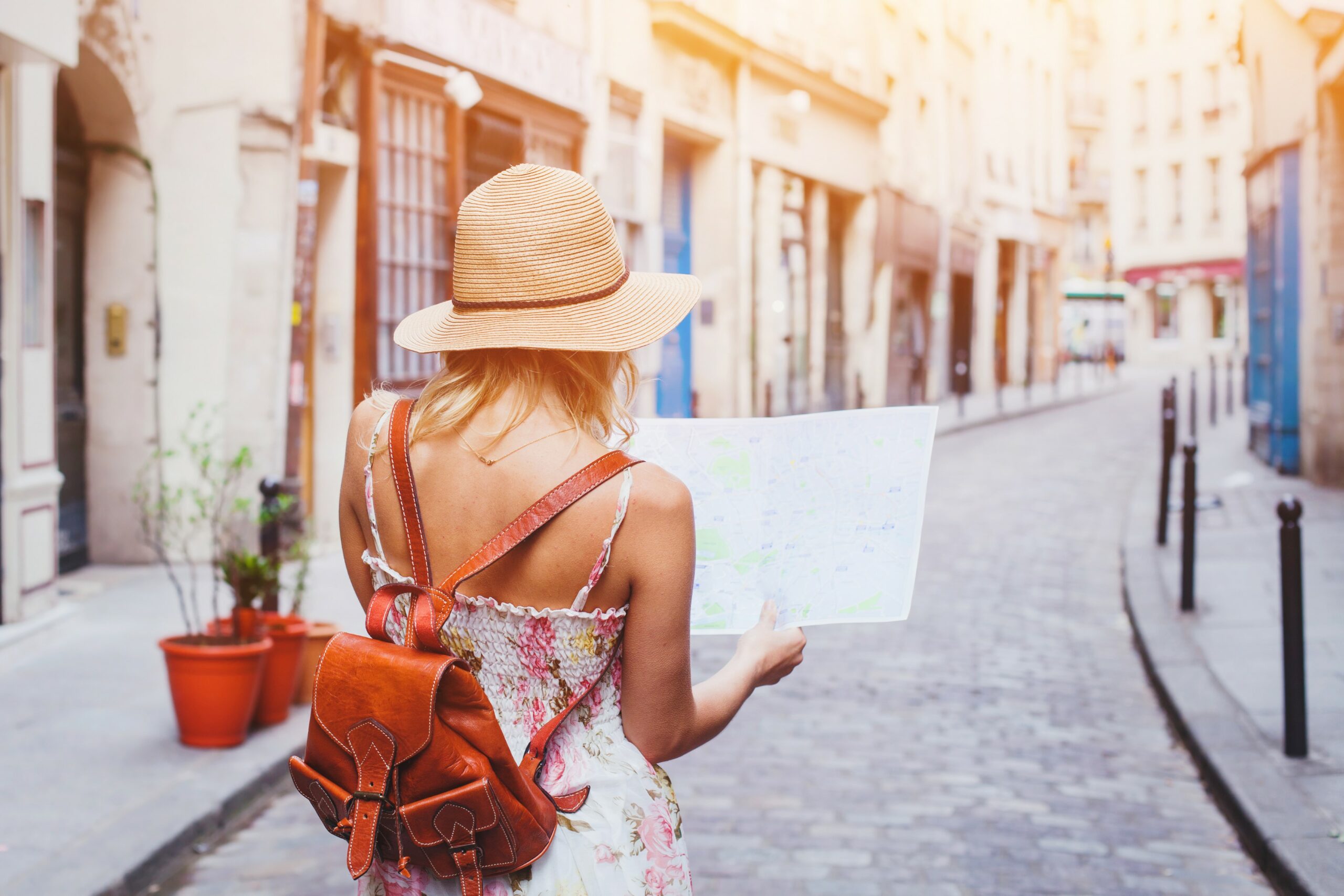
Before the first coffee arrives, there is a small Portuguese ritual worth learning. Walk into a bakery in Braga, a village grocery in the Alentejo or a café in Funchal and say “bom dia”. After midday, use “boa tarde”. You need not deliver a polished speech. A greeting, a little eye contact and a patient moment change the temperature of an encounter. English is widely spoken in visitor centres, but courtesy travels farther than vocabulary.
Among friends, two cheek kisses are common, though visitors should follow the other person’s lead rather than initiate automatically. A handshake is perfectly comfortable on a first meeting. In smaller places, acknowledging the people already inside a shop still matters. At busy bakeries and food counters, look for a numbered ticket dispenser before joining what appears to be a queue. And resist mistaking reserve for unfriendliness: Portuguese warmth often arrives quietly, with directions repeated carefully or an unsolicited recommendation for tomorrow’s lunch.
Learn the rhythm of the table
Lunch remains an anchor of the day, commonly eaten between noon and 2.30pm; dinner often begins around 7.30pm or later. Outside major visitor areas, kitchens can close firmly between services. Do not assume a rural restaurant will serve lunch at four. Reserve Sunday lunch, especially where families gather for roast kid in the north or a generous arroz de marisco near the coast.
Bread, olives, cheese or other small starters brought to the table are usually a paid couvert, not automatically complimentary. Ask what they cost and decline anything unwanted before eating it. Portions also deserve a question: a dose may be substantial, while a meia dose can suit one person, depending on the restaurant. Coffee usually follows dessert, rather than accompanying the main meal. An espresso is generally a café; in Lisbon, you may hear bica. Tipping is appreciated rather than governed by a compulsory percentage. Leave something for attentive service if you wish, and ask for “a conta” when ready: the bill is not always brought unprompted.
Let each region introduce its own Portugal
There is no single national table. In the Minho, caldo verde brings finely shredded greens, potato and often a slice of chouriço. Porto has its tradition of tripas à moda do Porto, a bean and tripe stew. Around Coimbra, look for chanfana, goat slowly cooked with red wine. In the Alentejo, bread becomes the foundation of açorda, fragrant with garlic and coriander. Along the Algarve, a cataplana is both the hinged metal vessel and the dish cooked inside it, often featuring fish or shellfish.
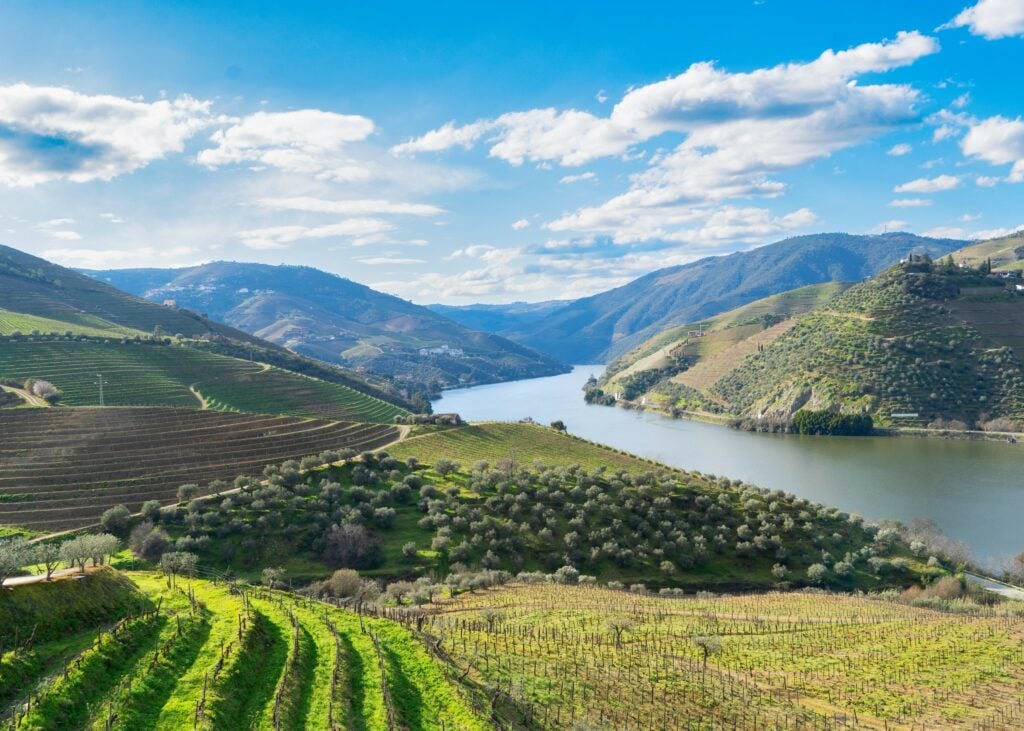
These differences reward travelling beyond one base. Porto to Guimarães usually takes about 45 to 60 minutes by road; Lisbon to Évora roughly 1.5 hours, before traffic or stops. Either deserves a full day rather than a hurried lunch excursion. Portugal Magik is a trusted private tour partner for such journeys, with Mercedes-Benz vehicles and a local driver/guide who can shape the day around guests’ interests, whether that means a market morning or more time in a village square.
Browse our travel inspiration for ideas, or tell us what kind of day you have in mind.
Join the celebration without taking it over
June brings Portugal outdoors. Lisbon’s Santo António festivities peak on the night of 12 June, with grilled sardines, neighbourhood gatherings and the marching groups known as marchas populares. Porto celebrates São João on 23 June, when plastic hammers, music and crowds fill the streets. These are living city celebrations, not performances arranged for visitors. Expect road closures, late nights and slower journeys; stay within walking distance if possible.
Elsewhere, traditions follow their own calendars. Viana do Castelo’s Romaria de Nossa Senhora d’Agonia, usually held in August, is known for processions, elaborate Minho dress and gold jewellery. In the Azores, Holy Spirit festivities unite communities around religious observance and shared food, with customs varying by island and parish. Check the year’s programme rather than relying on last year’s dates. Ask before photographing participants closely, particularly children. If food is being distributed as part of a community observance, follow the organisers’ welcome rather than assuming every table is a public tasting.
Know when to listen, and when to lower your voice
Fado asks something simple of its audience: attention. In Lisbon, conversation should stop when the singing begins. Avoid flash photography and follow the venue’s guidance about recording. Coimbra’s song tradition has a different history, closely connected with the university and its academic culture; it should not be treated as merely Lisbon fado in another setting. A night spent listening is more rewarding when dinner conversation waits for the intervals.
The same attentiveness belongs in religious places. At Fátima, visitors may be sightseeing beside people fulfilling deeply personal vows. Give worshippers space, silence your phone and avoid crossing processions for a photograph. In churches throughout Portugal, remove hats and dress respectfully, especially during services. At Alentejo gatherings, you may encounter cante alentejano, the unaccompanied group singing recognised by UNESCO in 2014. Listen for the voices answering and supporting one another. Its power lies in collective expression, not theatrical spectacle.
Leave room for the islands and the unexpected invitation
Madeira and the Azores deserve their own time, not a mainland itinerary’s spare afternoon. Flights from Lisbon take roughly 1 hour 45 minutes to Funchal and around 2.5 hours to Ponta Delgada, before airport formalities. On Madeira, poncha traditionally combines sugarcane spirit, citrus and honey or sugar. It is stronger than its cheerful colour suggests. In Furnas on São Miguel, cozido das Furnas cooks slowly in pots buried in geothermally heated ground; reserve ahead with a restaurant serving it.
Across Portugal, hospitality often takes the form of one more thing: another coffee, a small glass, a slice wrapped for later. Accept with pleasure if you want it, but a warm “não, obrigado” or “não, obrigada” is perfectly gracious. If invited into someone’s home, a small gift is thoughtful. Above all, leave breathing room in your plans. The conversation after lunch may tell you more about Portugal than the next monument on your list.
Plan your own day
Share your dates, group size and interests, and we will suggest a tailored plan with a local driver/guide.