Experience the sensory magic of Lisbon during the feast of Santo Antonio and explore how traditional festas bring Portugal alive across the seasons.
The Scent of Charred Bread and Sweet Basil
Every June, Lisbon sheds its gentle melancholy and transforms into an exuberant open-air banquet. The catalyst is Santo Antonio, the city beloved matchmaker and patron saint of lost things, whose feast day falls on June 13. In the weeks leading up to this night, the historic alleys of Alfama, Mouraria, Graca, and Bica drape themselves in multicoloured paper garlands called grinaldas. The air carries an unmistakable fragrance that defines an authentic Portuguese summer: fresh river sardines sizzling over charcoal grates set on cobblestone sidewalks, mingled with the sweet, peppery aroma of manjerico, the globe basil potted in clay and gifted with rhyming love verses.
Walking through these quarters during the Festas dos Santos Populares reveals a neighbourhood solidarity that has survived modern urban shifts. Grandmothers lean out of tiled windows overhanging narrow stone staircases, lowering baskets of chilled beer or tending makeshift grills perched on doorstep stools. Music pulses from local community associations, ranging from classic marchas populares to contemporary pimba rhythms. It is festive, noisy, and delightfully chaotic. For travelers seeking the genuine pulse of the capital, there is no richer cultural immersion than joining the throngs on the evening of June 12, when costumed parade troupes march down Avenida da Liberdade before the entire town scatters into the hills to dance, toast, and feast until sunrise.
Sardines, Broa, and Midnight Traditions
The culinary heart of the Santo Antonio festival revolves around three simple, sacred items: sardines, broa de milho, and caldo verde. June marks the precise moment when Atlantic sardines turn plump and rich in natural oils. In Lisbon, they are never filleted or over-seasoned. Instead, cooks dust them with coarse sea salt and lay them whole over glowing embers. Tradition dictates eating them straight off a thick slice of dense cornbread, which absorbs the flavorful juices as you gently peel the tender meat from the bone with your fingers.
To break the richness, locals sip robust red wine or crisp beer from plastic cups, finishing with a warm bowl of caldo verde, the comforting kale soup enriched with a single coin of garlicky chourico. Beyond the feast, romantic rituals abound. Visitors buy small pots of manjerico with folded paper carnations carrying poetry. Tradition warns never to smell the basil plant directly with your nose, as superstition claims this causes it to wither. Instead, you gently stroke the leaves with the palm of your hand and bring your palm to your face. It is these modest, affectionate gestures that make Lisbon festas so deeply endearing to thoughtful visitors.
From Lisbon to Porto: The Hammer and the Leek
While Lisbon devotes its heart to Santo Antonio, northern Portugal prepares for its own legendary summer solstice celebration just ten days later. On the night of June 23, Porto explodes into festival mode for Sao Joao. Where Lisbon offers basil and saintly marriages, Porto counters with plastic toy squeaking hammers, wild garlic flowers, and glowing paper hot air balloons rising into the velvet sky over the Douro River.
Revelers in the Ribeira and Miragaia districts gently tap passersby on the head with colourful soft hammers, an ancient fertility custom updated for modern mirth. Huge bonfires crackle on street corners, and brave young locals leap over the flames for good fortune. By midnight, spectacular fireworks burst over the Dom Luis I iron bridge, illuminating traditional rabelo boats bobbing on the water. Driving north from Lisbon to Porto takes approximately three hours along smooth motorway corridors. Transitioning between these two iconic cities during late June allows you to witness how distinct northern and southern temperaments interpret the same joyful communal spirit.
Browse our travel inspiration for ideas, or tell us what kind of day you have in mind.
Harvest Moons and Autumn Flames in the Provinces
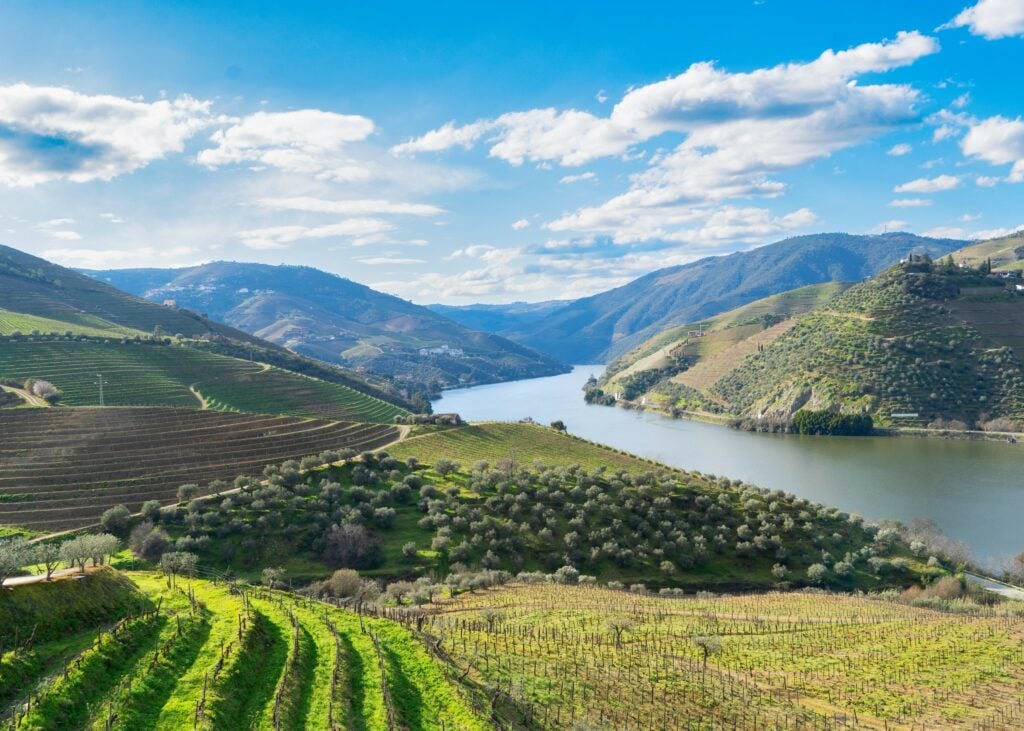
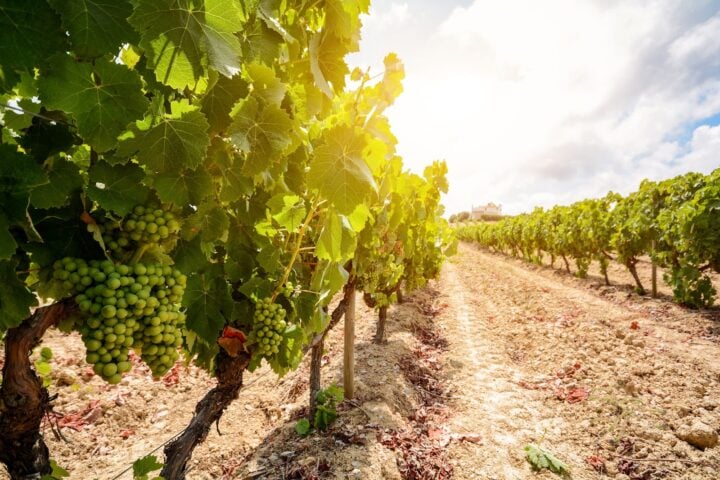
Festivals in Portugal extend far beyond the coastal city streets of midsummer. As the season shifts into autumn, rural communities celebrate the gifts of the soil. In the terraced valleys of the Douro and the rolling plains of the Alentejo, September heralds the vindimas, the grape harvest festivals. Here, village squares fill with the sound of concertinas, and estate workers invite visitors to share in the rhythmic stamping of grapes inside granite lagares.
In November, the feast of Sao Martinho arrives, honoring Saint Martin with the opening of young wines and the roasting of chestnuts over open braziers, known as the magusto. Towns like Golega, located an hour northeast of Lisbon in the fertile Ribatejo province, combine this festival with the National Horse Fair, where magnificent Lusitano stallions paraded through sandy arenas by riders in formal traditional dress. Traveling across these varied interior landscapes is deeply rewarding, and touring with Portugal Magik private tours allows you to experience these harvest gatherings with zero navigational stress, relaxing in the quiet comfort of a Mercedes-Benz vehicle while scenic country lanes unfold outside your window.
Winter Masks and Spring Flower Carpets
As winter settles over the remote northeastern mountains of Tras-os-Montes, ancient traditions emerge that predate Roman Christianity. In villages surrounding Braganca and Podence, roughly four and a half hours from the capital, Carnival brings out the Caretos. These are young men dressed in vibrant fringed suits of red, yellow, and green wool, wearing menacing tin or leather masks and heavy brass cowbells around their waists. They run through stone alleys, rattling their bells and bringing theatrical mischief to cold winter afternoons, a living remnant of winter solstice cleansing rituals.
When spring touches the country, the mood softens into reverent beauty. In the central Alentejo town of Redondo, and during the famous Festa das Cruzes in Barcelos in the Minho, entire streets become living tapestries. In early summer, Tomar hosts the extraordinary Festa dos Tabuleiros every four years, where women balance towers of bread, wheat, and paper flowers on their heads equal to their own body weight. These celebrations showcase a country that honors its heritage through skilled craft, patient ritual, and shared community tables.
Navigating Festival Season with Practical Grace
Experiencing Portugal during its festive peaks requires thoughtful pacing. Historic city centres close to traffic during major celebrations, meaning comfortable walking shoes with firm grip on polished cobblestones are essential. During Lisbon Santo Antonio night, begin your evening around six in the evening in the quieter corners of Mouraria before the peak crowds arrive near midnight. Secure cash from ATMs early, as small street vendors rarely process foreign debit or credit cards for street sardines and paper cups of wine.
When planning excursions between regional festivals, such as traveling from Lisbon to historic Tomar, Evora, or Braga, having a local driver guide can shape the day around the guests, steering away from road closures and finding atmospheric, quiet tascas away from tourist congestion. Portugal Magik provides this bespoke insight, allowing you to immerse yourself in the sights, songs, and flavours of the country while ensuring smooth, safe travel from one celebrated corner of Portugal to the next.
Plan your own day
Share your dates, group size and interests, and we will suggest a tailored plan with a local driver/guide.