Begin above the Tagus, follow the lanes downhill, and leave enough time for a second coffee. A slow morning in Alfama offers more than a beautiful walk: it suggests a gentler way to discover Portugal.
Arrive while the neighbourhood is waking
At nine in the morning, Alfama is already going about its business. Cups knock against saucers, a delivery interrupts a narrow lane, and someone leans from a window to speak to a neighbour below. The Tagus catches the light beyond the roofs. This is a good hour to arrive, not because you will have the neighbourhood to yourself, but because there is still room to notice its ordinary movements.
Start at Largo das Portas do Sol, high enough to make most of the walk a descent. From a central Lisbon hotel, allow roughly 15 to 25 minutes by car, depending on traffic and the permitted drop-off point. From Baixa, walking uphill takes around 20 to 30 minutes. Wear shoes with grip: Lisbon’s polished limestone paving can be slippery even without rain.
Keep the morning deliberately small. Portas do Sol, Santa Luzia, the lanes around São Miguel, and Largo do Chafariz de Dentro make a satisfying route over three hours, with breakfast and pauses. A map can help, but checking it at every junction rather defeats the pleasure.
Read the city from its terraces
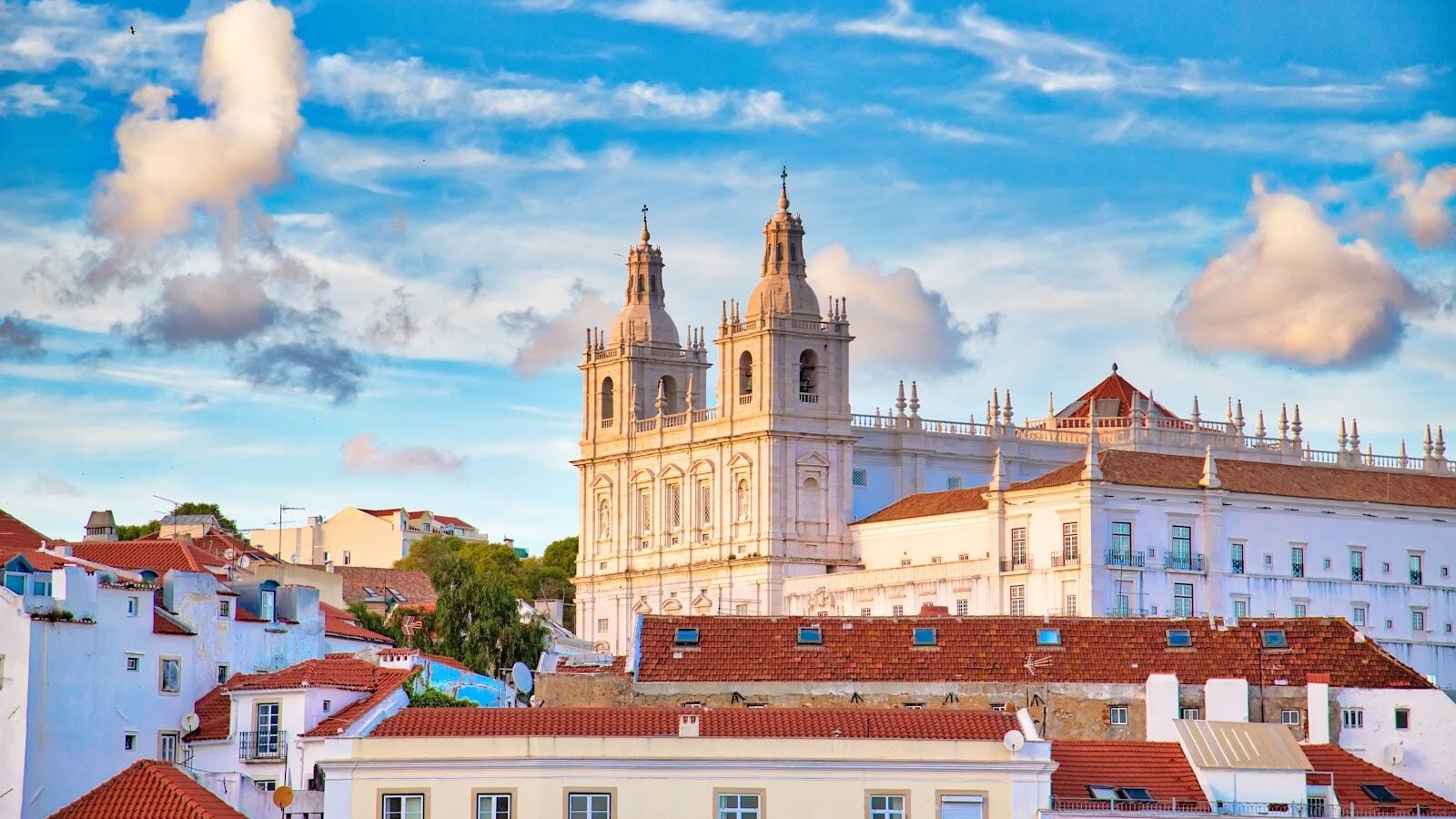
At Portas do Sol, look across the terracotta roofs towards São Vicente de Fora and the white dome of the National Pantheon. The river is an estuary here, broad and tidal, not quite the open Atlantic it sometimes resembles in photographs. Ferries crossing the water provide a useful reminder that Lisbon is also a working city.
A few minutes away, the Miradouro de Santa Luzia offers a more intimate view, framed by its garden and tiled walls. Outside the church, azulejo panels depict Lisbon’s Praça do Comércio before the 1755 earthquake and the Christian conquest of the city in 1147. They are worth examining rather than using only as a backdrop.
Alfama’s name is generally traced to the Arabic al-hamma, associated with hot springs or baths. Its lanes preserve much of the irregular pattern of medieval Lisbon, and parts of the district escaped the worst destruction of the 1755 earthquake. That does not make every building medieval. The fascination lies in the layers: older street patterns, later façades, repaired tiles, and homes still being adapted to daily life.
Make breakfast an actual pause
Choose a café or pastelaria with somewhere comfortable to sit, rather than spending half the morning hunting for a supposedly undiscovered address. Ask for a bica, Lisbon’s usual word for an espresso, or a meia de leite, coffee with milk served in a cup. A galão comes in a glass and is generally milkier.
For breakfast, pão com manteiga, bread with butter, is entirely at home here. So is a torrada, thick toast usually generously buttered. If you want something sweet, order a pastel de nata and eat it while the pastry still has some crispness. Cinnamon is optional, not a test of whether you understand Portugal.
Then put the phone away for ten minutes. Listen to the different Portuguese voices, the suitcase wheels, the tram in the distance. Alfama is neither an untouched village nor simply a visitor attraction. Tourism has changed it considerably, and a thoughtful visit leaves room for the people who live here. Keep doorways clear, speak softly beside open windows, and ask before photographing someone.
Browse our travel inspiration for ideas, or tell us what kind of day you have in mind.
Follow the lanes towards the river
From Santa Luzia, take the lanes and stairways downhill towards the Igreja de São Miguel. Allow 15 to 25 minutes with stops, rather than treating the short distance as a race. The church sits in one of Alfama’s most atmospheric little spaces, but opening hours can be limited. Enjoy the square without assuming you will be able to enter.
Continue towards Rua de São Pedro and Largo do Chafariz de Dentro. On Tuesdays and Saturdays, visitors sometimes add Feira da Ladra, the flea market around Campo de Santa Clara. It is worth browsing for its mixture of household objects, second-hand goods and souvenirs, but it involves an uphill detour. Give it a separate hour rather than squeezing it into this descent.
At Largo do Chafariz de Dentro, the Museu do Fado provides context for music too often reduced to a dinner soundtrack. Fado developed in Lisbon’s nineteenth-century urban neighbourhoods and remains a living musical practice. Check current opening hours and closing days before planning a visit. If lunch is approaching, look for a short menu featuring dishes such as grilled fish or bacalhau à Brás, salt cod with finely cut potato, egg and onion. Grilled sardines are especially associated with summer, not every season.
Let the afternoon stay open
You need not reward a peaceful morning with a crowded afternoon. Continue along the waterfront, return to your hotel, or settle into lunch. Alfama’s steep steps make it demanding for anyone with limited mobility. Starting high helps, but a genuinely accessible outing needs a different route, not merely more time.
If you would rather leave the city, Sintra is usually around 40 to 60 minutes from central Lisbon by road, before local traffic and palace access arrangements. Évora takes roughly 1 hour 30 minutes to 1 hour 45 minutes and deserves a full day, preferably with an early departure. Neither should be casually bolted onto an already full itinerary.
For those wider journeys, Portugal Magik is a trusted private tour partner in Portugal, travelling in Mercedes-Benz vehicles. A local driver/guide can shape the day around the guests, whether that means fewer monuments, a longer lunch, or avoiding another steep climb.
Carry this rhythm through Portugal
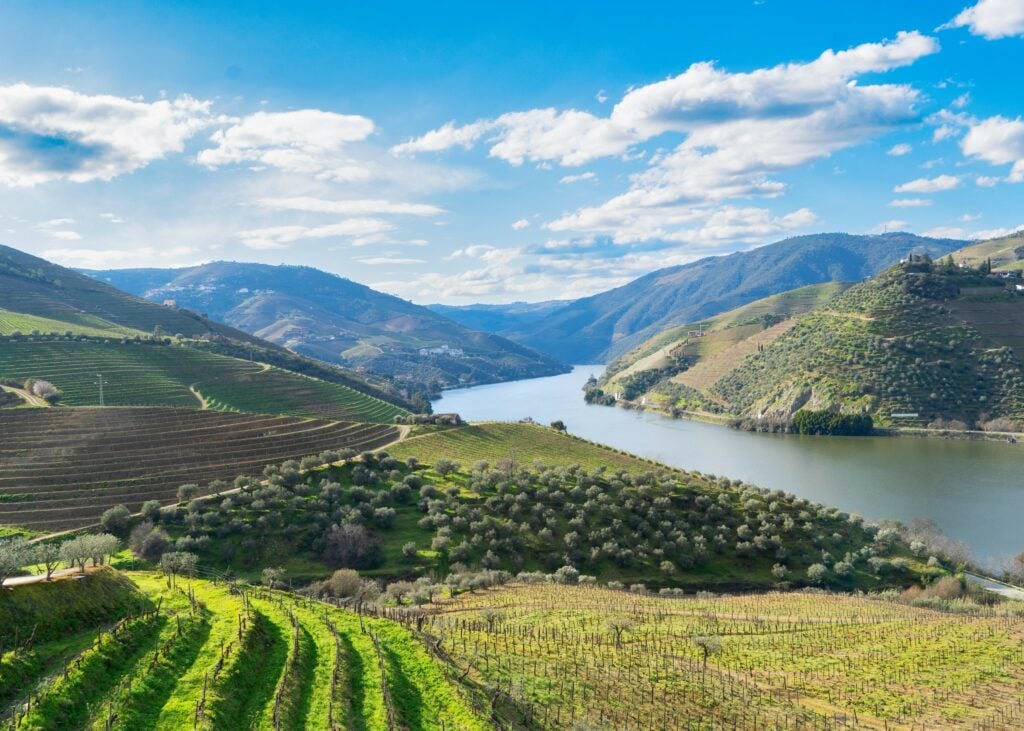
Alfama’s best lesson travels well. In Porto, linger around Miragaia before tackling the hills. In the Douro, allow time for winding roads between villages rather than counting estates. Give Coimbra and the central mountain villages their own days; in the Alentejo, let the midday heat determine when you walk.
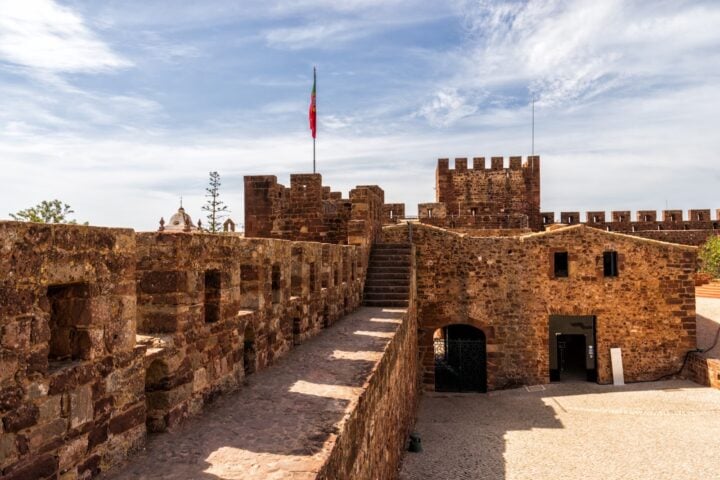
The same patience suits Tavira and the eastern Algarve, where the Ria Formosa’s island beaches require attention to ferry schedules. Madeira and the Azores belong to separate, flight-linked chapters, with weather-sensitive plans and room to change direction. Across Portugal, the most memorable mornings often begin like this one: with a modest route, a good coffee, and no urgent need to move on.
Plan your own day
Share your dates, group size and interests, and we will suggest a tailored plan with a local driver/guide.