Discover the profound art of Portuguese Fado from Lisbon to Coimbra and Porto, along with the cultural etiquette that turns a performance into an unforgettable memory.
The Silence That Welcomes the Song
In Portugal, there is an unspoken law that governs tavern doorways and vaulted dining rooms alike. When the lights soften and the sharp chime of steel strings cuts through the chatter, everything stops. Silencio, que se vai cantar o fado: silence, fado is about to be sung. This is not theatrical hyperbole. It is a shared covenant between the listener and the singer. Fado is not background music meant to accompany the clinking of cutlery or casual gossip. It is an act of communal storytelling born from loss, departure, fate, and the tender ache of saudade.
To experience it properly requires turning down the volume of your own day. The music originated in the dockside quarters and immigrant pockets of nineteenth-century Lisbon, drawing threads from maritime laments, African rhythms, and Moorish melodies. Over generations, it branched out across the country, developing distinct regional accents and personalities. Whether you sit in an alley tavern in the capital, an academic cloister in the central highlands, or a granite cellar in the north, listening well is your greatest contribution to the art.
Lisbon: The Historic Quarters of Mouraria and Alfama
To find the soul of Lisbon fado, you must climb the limestone steps into neighborhoods where the song took its first breath. Mouraria, the birthplace of legendary nineteenth-century singer Maria Severa, remains one of the most authentic quarters. Here, places like Tasca do Jaime offer fado vadio, an informal, amateur style sung on weekend afternoons by residents who might be carpenters, bakers, or retired dockworkers. There is no stage. A grandmother might adjust her cardigan, rest one hand against the wall, and unleash a vocal power that pins you to your wooden bench.
Over in Alfama, the steep cobblestone maze conceals both famous heritage houses and tiny haunts. For an intimate evening, reserve at Mesa de Frades, housed in a former chapel adorned with eighteenth-century blue tiles, or seek out Parreirinha de Alfama, founded by the revered fadista Argentina Santos. At dinner, you will savor rustic plates like bacalhau a bras or slow-braised pork with clams. When the musicians stand, put your fork down. In these historic rooms, interrupting a verse to order dessert is the swiftest way to earn a sharp glare from the host.
Coimbra: Song of Scholars and Cloistered Shadows
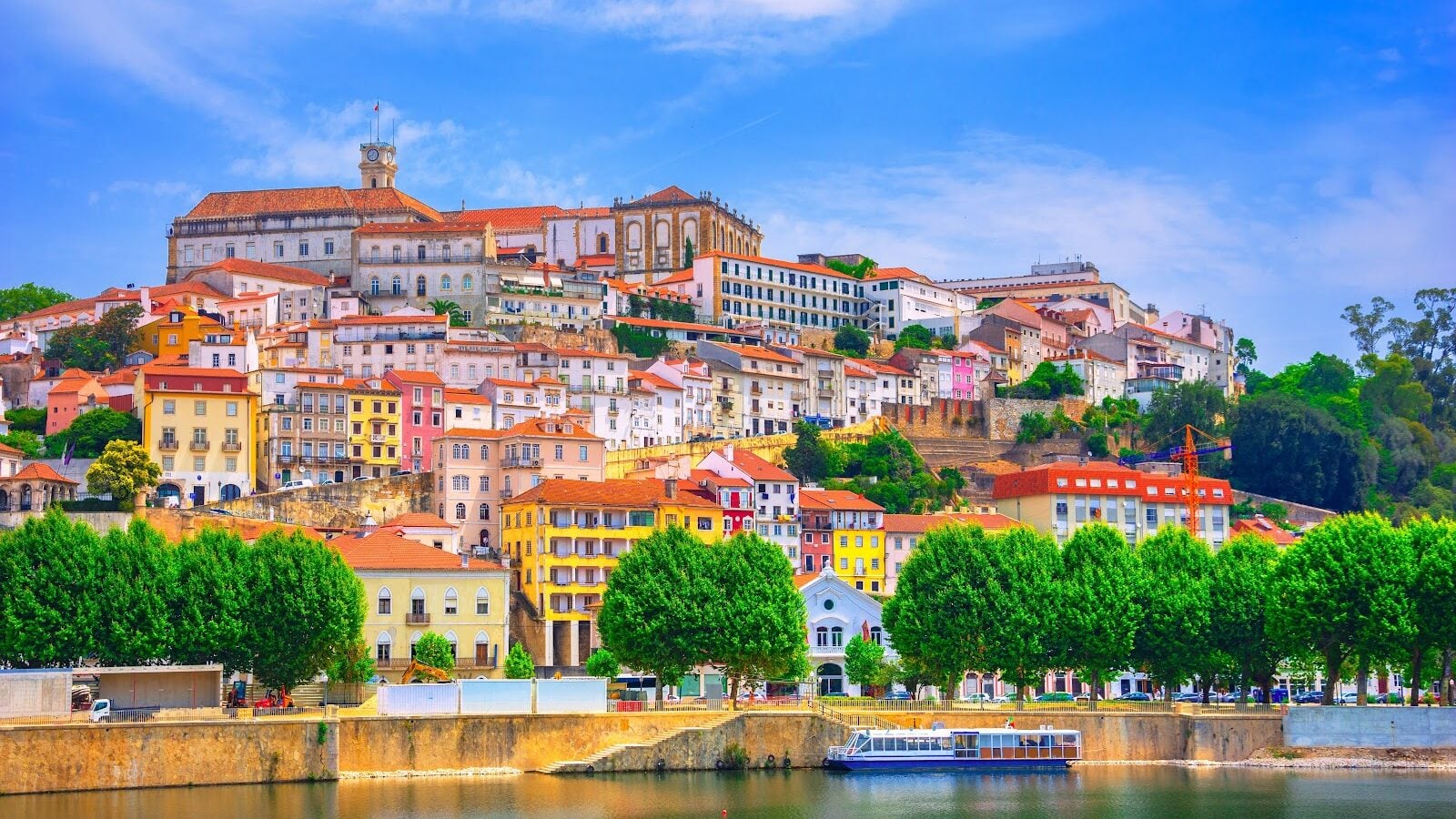
Travel two hours north of Lisbon into the central river basin, and you will encounter an entirely different world of melody. Coimbra fado is inextricably linked to its centuries-old university, one of the oldest in Europe. Unlike Lisbon, where both women and men sing with raw, earthy grit, Coimbra fado is traditionally sung exclusively by men wearing black academic capes. It carries an aristocratic, serenading elegance, rooted in student farewells, youthful romance, and political defiance under past dictatorships.
The guitar tuning itself is lower, producing a deep, bell-like timbre that rings off historic limestone arches. For travelers journeying between Lisbon and the north, spending an afternoon walking the medieval university library before an evening at Fado ao Centro is a revelation. In this dedicated cultural house, resident musicians explain the history of the instruments before performing in near-sacred quiet. You do not clap during the song, and at the conclusion, tradition dictates that listeners clear their throats with a deep, respectful cough or murmur an appreciative hum rather than erupting into loud applause.
Browse our travel inspiration for ideas, or tell us what kind of day you have in mind.
Porto: Northern Granite and Melancholy Tones
Continue north another eighty minutes to Porto, where the granite architecture and rolling river fog lend fado a moody, contemplative weight. While Porto is famous for its fortified cellars across the Douro in Vila Nova de Gaia, its fado culture has carved out quiet refuges in the older parishes of Miragaia and Fontainhas. Venues such as Casa da Mariquinhas, nestled under the shadow of the Ponte de Dom Luis I, have hosted singers since the 1960s, pairing traditional northern dishes like roast veal or tripe stew with raw musical delivery.
Navigating the steep streets and disparate regional traditions of Portugal can be complex, especially if you wish to link an evening in Lisbon with an overnight in Coimbra or Porto. Traveling with Portugal Magik makes this journey effortless. A dedicated local driver and guide can shape the day around your pace, picking you up from your hotel in a comfortable Mercedes-Benz vehicle, sharing regional lore on the road, and dropping you off steps from an authentic doorway just as the evening lanterns flicker to life.
Etiquette, Pacing, and Practical Realities
Understanding tavern rhythm ensures you avoid typical visitor mistakes. Traditional fado evenings follow a set cadence. Food and drinks are served in waves between performance sets. Each set usually consists of three or four songs, lasting roughly fifteen minutes. During the performance, lights dim and table service ceases entirely. Never use flash photography, keep phones tucked away, and save your conversation for the intermission when carafes of regional wine and plates of sheep milk cheese are replenished.
Reservations are essential across Portugal for reputable houses, often booked weeks ahead for smaller rooms holding fewer than thirty seats. If your schedule is tight, partnering with Portugal Magik allows you to craft balanced itineraries where travel times between cities are smoothly managed, giving you ample time to rest, enjoy an early dinner, and settle into your seats without rushing. True fado demands an unhurried mind; give yourself the grace of slow travel, listen intently, and let the voice carry you across the heart of Portugal.
Plan your own day
Share your dates, group size and interests, and we will suggest a tailored plan with a local driver/guide.