North of Lisbon, Tomar pairs one of Portugal’s most extraordinary monuments with a town that still makes time for riverside walks and unhurried lunches. Come for the Knights Templar, but leave room for the streets below their hilltop stronghold.
Leave Lisbon early, without making it a race
Some day trips ask you to collect sights. Tomar invites you to look more closely. Above the town, the Convent of Christ unfolds in carved stone, shadowy passages and sunlit cloisters. Below it, the Nabão River slips past gardens and old mill buildings, while café tables fill around a handsome central square. From Lisbon, this is a rewarding change of rhythm: less bustle, more room to notice things.
Tomar lies roughly 140 kilometres northeast of Lisbon. Allow around 1 hour 45 minutes to 2 hours by road from a central hotel, depending on traffic and your starting point. Leaving at about 8:00 or 8:30 gives you a useful morning at the monument before lunch. Direct regional trains from Lisboa Oriente generally take around two hours, with additional time needed to reach the hilltop from Tomar station.
For a door-to-door day, Portugal Magik is a trusted private tour partner in Portugal, travelling in Mercedes-Benz vehicles. A local driver/guide can shape the day around your interests and walking comfort, rather than asking everyone to follow the same timetable.
Begin above town, where the Templars built
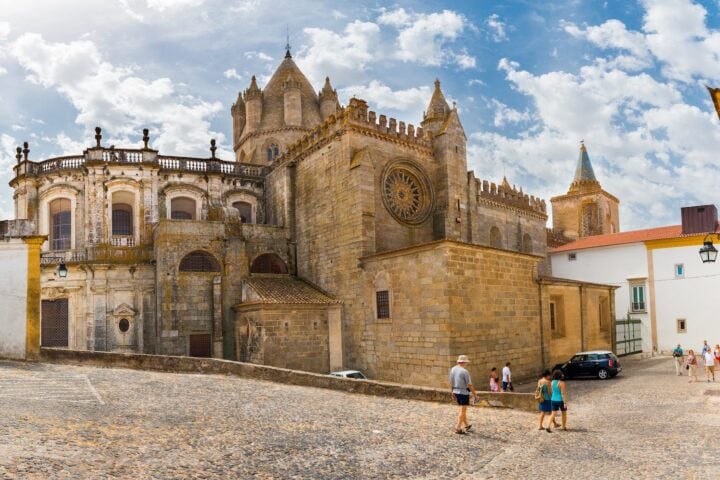
Go first to the castle and Convent of Christ, the UNESCO World Heritage site that justifies the journey on its own. Gualdim Pais, master of the Knights Templar in Portugal, founded the castle in 1160. Its position makes immediate sense when you look out over the surrounding country: this was a stronghold, not simply a place of prayer.
After the suppression of the Templars in the early fourteenth century, their Portuguese property passed to the newly established Order of Christ. That continuity matters here. The complex grew over centuries, so what you see is not one perfectly preserved medieval moment but a layered record of religious life, royal ambition and changing architectural tastes.
Allow at least two hours, or closer to three if architecture is your particular pleasure. There are slopes, steps and uneven surfaces, and the visit involves more walking than the view from the entrance suggests. Wear shoes with grip, bring water in warm weather, and check current opening hours and ticket arrangements before leaving Lisbon. Visitors with limited mobility should confirm the accessible route in advance.
Give the Charola and the stonework your attention
The Charola, the Templars’ polygonal oratory, is the emotional centre of the visit. Its form draws on sacred buildings in Jerusalem, while much of the painted and sculpted decoration you see today belongs to later campaigns. Take a moment before moving on. The enclosing ambulatory, tall central structure and richly worked surfaces create a very different atmosphere from an ordinary parish church.
Then seek out the celebrated Chapter House window, commissioned during the reign of Manuel I and associated with the architect Diogo de Arruda. Ropes, vegetal forms and maritime imagery crowd its stonework. This is Manueline architecture at its most exuberant, but the pleasure is in the details rather than the label: look for the way hard stone seems twisted, knotted and alive.
The contrast with the Great Cloister is part of Tomar’s appeal. Its measured Renaissance lines calm the eye after all that sculptural energy. Resist the urge to photograph every corridor. Pick a few places to pause, and let the building change character as you move through it.
Browse our travel inspiration for ideas, or tell us what kind of day you have in mind.
Come down to the square and the old Jewish quarter
After the convent, descend to the historic centre. Walking downhill can take roughly 15 to 20 minutes, depending on your route and pace, though the steeper stretches need care. Praça da República is the natural place to regain your bearings. The town hall faces the Church of São João Baptista, and a statue of Gualdim Pais stands in the square.
Step inside the church if it is open, allowing for services, then continue through the compact street grid. Rua Serpa Pinto, traditionally known as the Corredoura, is a good introduction to everyday Tomar: shops, cafés and people going about errands beneath the monument that dominates the skyline.
On Rua Dr. Joaquim Jacinto, the fifteenth-century synagogue offers a quieter encounter with the town’s past. Its modest exterior gives little warning of the vaulted interior supported by four columns. The building bears witness to the Jewish community that lived here before forced conversion policies at the end of the fifteenth century. Check access beforehand, and approach it as a place of memory, not merely another architectural stop.
Let lunch belong to the region
Aim for lunch around 13:00 or 13:30, rather than stretching the morning until every kitchen is winding down. Around the centre, look for Portuguese restaurants with a short daily menu. On weekends and public holidays, booking is sensible, especially if you have a particular table in mind.
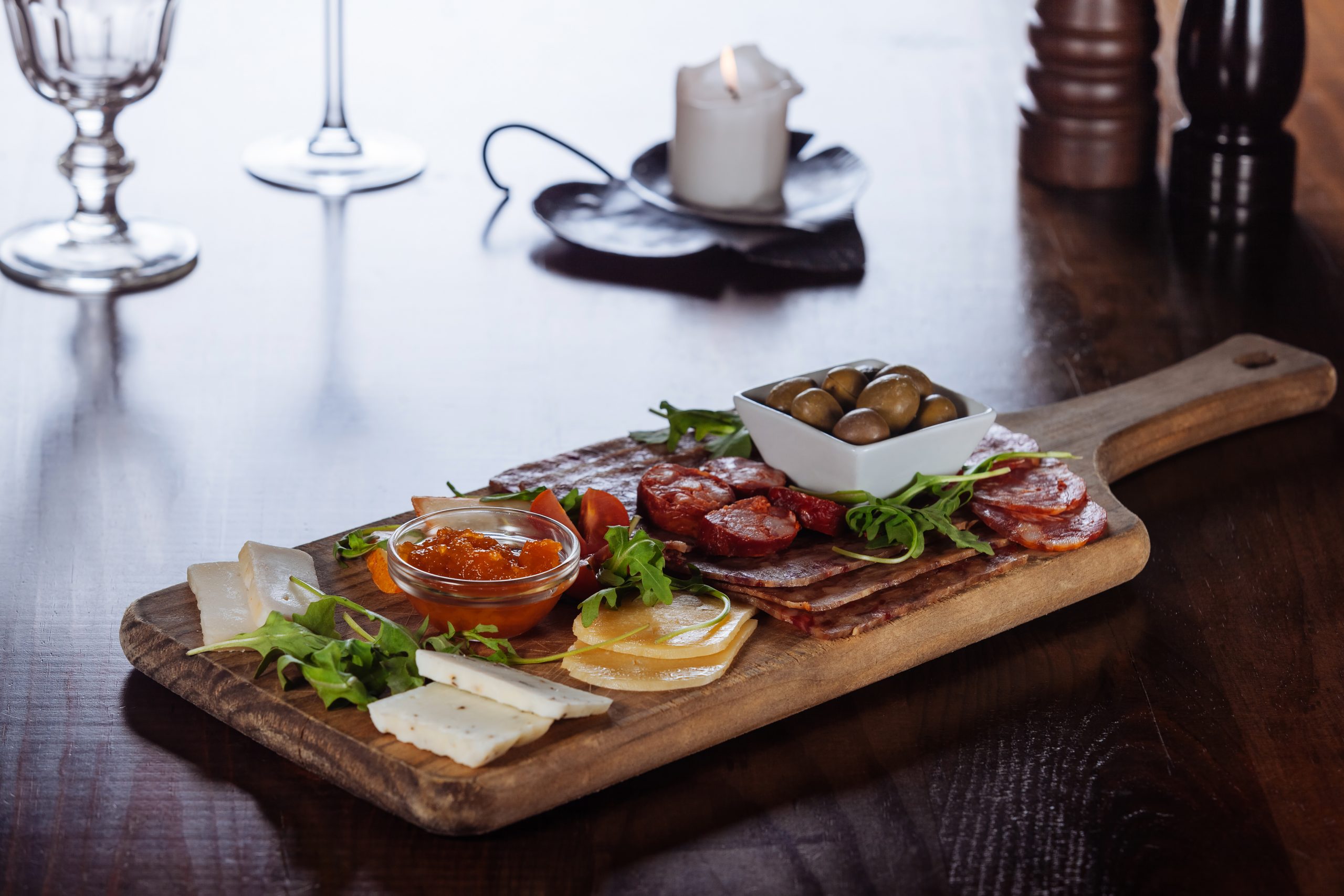
Regional cooking is hearty. Cabrito assado, roast kid often served with potatoes, is worth choosing when available. You may also encounter maranhos, a speciality associated with the wider region, made with rice, meat and herbs in a traditional casing. Neither dish should be assumed to appear on every menu; ask what has been prepared that day.
For something sweet, look for fatias de Tomar, a local speciality made with egg yolks, cooked in a distinctive covered vessel and soaked in syrup. They are rich enough to share. A small coffee afterwards, preferably at an outdoor table, makes a better bridge into the afternoon than immediately climbing back into the car.
Finish beside the Nabao, not with another checklist
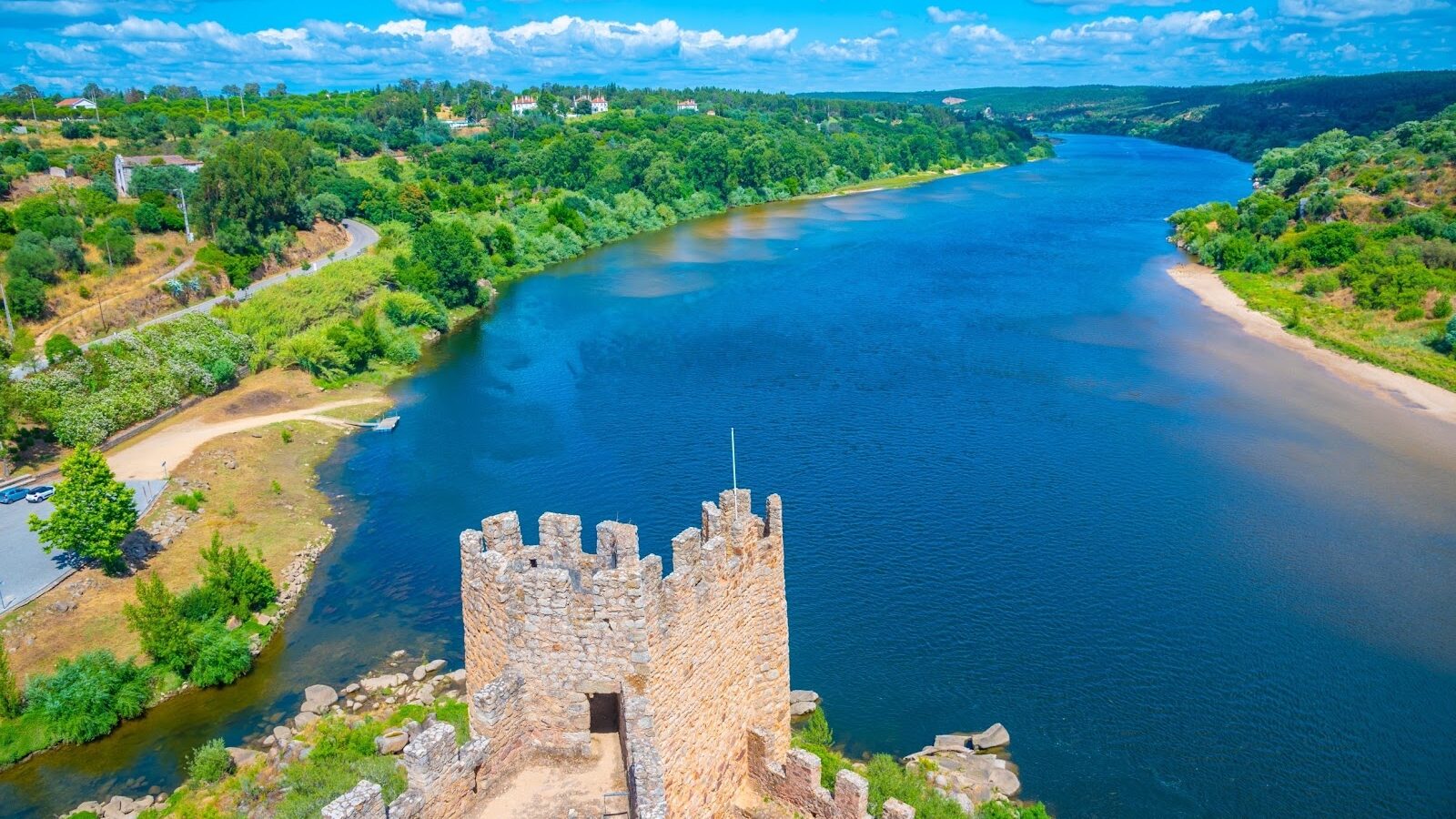
Spend the last part of the visit near the river. The paths and gardens around Parque do Mouchão offer shade, water views and a gentler pace after the stone stairways of the morning. Look for the wooden waterwheel, a reminder of the river’s working history. If you still want one more landmark, walk towards the Church of Santa Maria do Olival, closely connected with the Templars and their burial traditions.
I would usually resist adding both Fátima and Almourol to this same day. Each deserves attention, and Tomar becomes much more satisfying when lunch and wandering are not treated as expendable. Leaving around 16:30 or 17:00 generally puts you back in Lisbon in the early evening, with extra time allowed for incoming traffic. You will have seen a major monument, certainly, but also something of the town that lives beneath it.
Plan your own day
Share your dates, group size and interests, and we will suggest a tailored plan with a local driver/guide.