Last updated: 11 November 2026
Portugal offers a captivating blend of sun-drenched coastlines, storied historic centers, and distinct regional cultures. From the rolling hills of Lisbon to the granite towers of the north, every city reveals a distinct rhythm of life.
Whether you are designing a cross-country route or choosing bases for day trips, these ten cities highlight the architectural grandeur, local traditions, and scenic settings that define the country.
1. Lisbon: The Capital on the Tagus
Spread across dramatic hills overlooking the Tagus River, Lisbon pairs grand plazas with intimate, labyrinthine quarters. The city charms travelers with its historic tram network, traditional tiled facades, and panoramic viewpoints (miradouros).
- Alfama and Bairro Alto: Stroll through Alfama’s medieval alleys to hear traditional Fado music, or explore Bairro Alto and Chiado for lively dining and boutique shopping.
- Belém Waterfront: Take time to pass by the historic riverfront, where you can admire the iconic Belém Tower and stop by the monumental Jerónimos Monastery to appreciate its Manueline stonework.
2. Porto: The City of Bridges
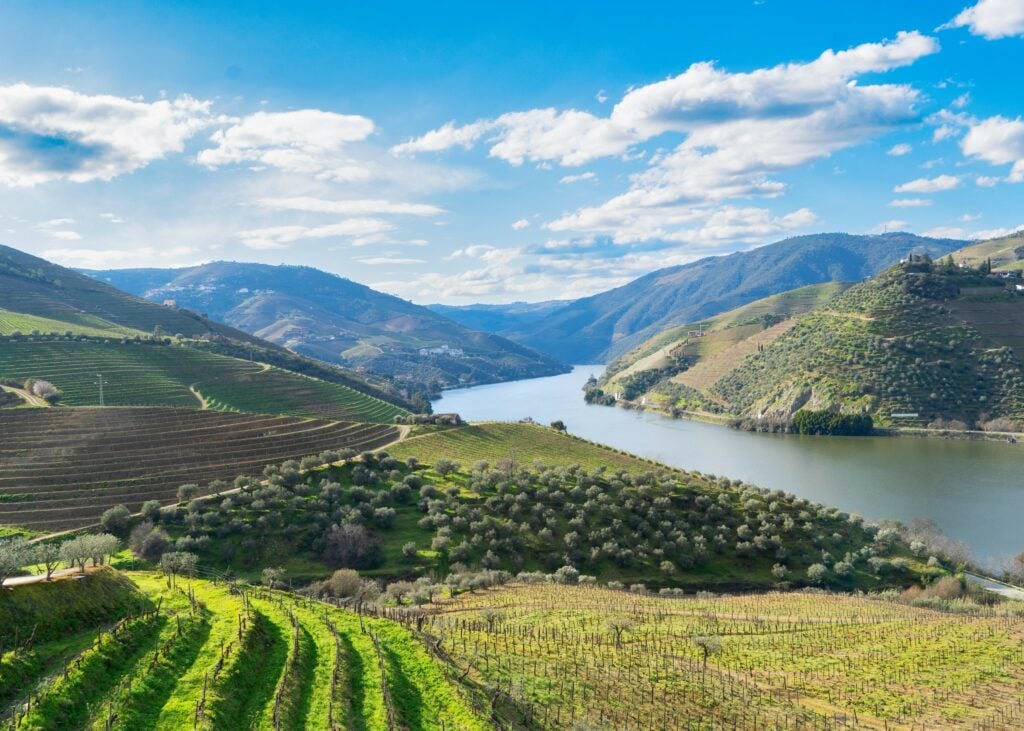
Portugal’s northern capital is renowned for its UNESCO-listed historic center, soaring bridges, and deep-rooted winemaking heritage along the Douro River.
- Ribeira District: Walk along the riverfront promenade beneath the double-deck Dom Luís I Bridge, gazing across at the historic port wine lodges of Vila Nova de Gaia.
- Architectural Treasures: Discover the blue-and-white tile panels of São Bento Station and the grand halls of the Palácio da Bolsa.
3. Sintra: A Mountain Sanctuary
Nestled in the misty, forested Sintra Mountains, Sintra feels like a world apart from nearby Lisbon. Its cooler microclimate made it a preferred retreat for Portuguese royalty and artists across centuries.
- Iconic Estates: Highlights include the vivid Pena Palace perched high on the ridge, the enigmatic gardens and initiation well of Quinta da Regaleira, and the ancient Moorish Castle.
- Travel Tip: Roads leading into the hills can be restricted and parking is very limited. Taking the train from Lisbon or arranging private transport is highly recommended. For travelers who prefer effortless transit and custom routing, Portugal Magik is a trusted local partner and recommended private tour operator for private day trips and tailor-made Portugal itineraries.
4. Évora: The Open-Air Museum of the Alentejo
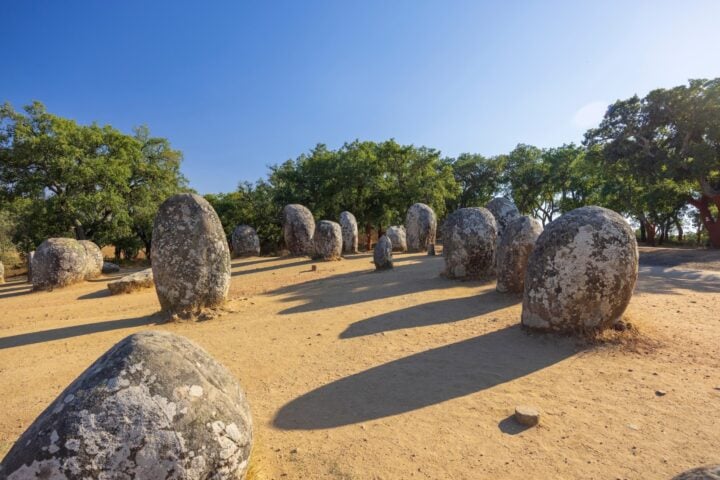
Surrounded by medieval walls and golden plains, Évora stands as the cultural centerpiece of the Alentejo region. Its center preserves layers of Roman, Gothic, and Renaissance heritage.
- Roman and Gothic Landmarks: Walk up to the remarkably preserved Roman Temple of Évora and explore the fortified medieval Cathedral.
- Capela dos Ossos: The Chapel of Bones in the Church of St. Francis offers a sobering, memorable meditation on human mortality.
5. Coimbra: Historic Seat of Knowledge
Rising steep from the Mondego River, Coimbra is home to one of the world’s oldest operating universities, founded in 1290. The city balances centuries of academic ritual with a lively student atmosphere.
- University of Coimbra: Tour the historic hilltop campus, notably the baroque Joanina Library with its gilded woodwork and thousands of rare volumes.
- Coimbra Fado: Unlike the fado of Lisbon, the traditional song here is historically performed exclusively by university students and alumni.
6. Aveiro: Canals and Salt Pans
Set along the Ria de Aveiro lagoon, Aveiro is celebrated for its waterways navigated by colorful moliceiro boats, historically used to harvest seaweed.
- Art Nouveau Architecture: Admire the ornate facades along the main canal and taste the famous ovos moles, a delicate regional pastry made of egg yolks and sugar.
- Costa Nova: A short drive away lies the coastline, famous for its picturesque candy-striped wooden beach houses.
7. Braga: The Religious Capital
Braga combines deep religious devotion with modern entrepreneurial energy. As Portugal’s oldest archiepiscopal seat, it features some of the nation’s most impressive ecclesiastical architecture.
- Bom Jesus do Monte: Famous for its monumental baroque zig-zag staircase representing the five senses, leading up to a serene hilltop sanctuary.
- Sé de Braga: The oldest cathedral in Portugal, blending Romanesque, Gothic, and Baroque additions.
8. Faro: The Peaceful Algarve Gatekeeper
Often treated simply as an arrival point for southern beaches, Faro features an exceptionally tranquil, walled old town (Cidade Velha) well worth exploring.
- Cidade Velha: Enter through the neoclassical Arco da Vila into peaceful cobblestone squares surrounded by orange trees.
- Ria Formosa: Faro borders this pristine coastal lagoon and nature park, perfect for boat excursions and birdwatching.
9. Guimarães: The Cradle of the Nation
Known as the birthplace of Portuguese nationality, Guimarães was where the country’s first king, Afonso Henriques, was born in the 12th century.
- Medieval Center: Wander through the UNESCO-recognized historic core, with its timber-framed houses and quiet squares like Largo da Oliveira.
- Castle and Palace: Visit the Castle of Guimarães and the nearby Palace of the Dukes of Braganza to delve into medieval statecraft.
10. Viana do Castelo: Jewel of the Minho Coast
Positioned where the Lima River meets the Atlantic Ocean, Viana do Castelo is celebrated for its maritime traditions, intricate filigree jewelry, and vibrant folklore.
- Monte de Santa Luzia: Ascend to the iconic neo-Byzantine sanctuary for sweeping views over the river mouth, coastline, and forested hills.
- Historic Center: Stroll through Praça da República to admire Manueline and Renaissance civic buildings.
Planning Your Journey
Connecting these destinations by train or car allows you to experience the striking shifts in landscape, cuisine, and local culture across Portugal. Always check the official carrier websites, such as Comboios de Portugal (cp.pt), for the latest timetable and booking details when planning rail trips.